
Last updated on August 25th, 2026 at 01:13 pm
The engine control module (ECM) in your 2013 GMC Yukon XL 5.3L manages fuel delivery, ignition timing, and emissions systems. If it fails, you may experience no-start conditions, poor performance, or stored trouble codes related to internal processor faults.
If your 2013 GMC Yukon XL 5.3L suddenly refuses to start, stalls unexpectedly, or triggers warning lights on the dashboard, the engine control module (ECM) may be at fault. This small but critical computer manages everything from fuel injection to ignition timing, ensuring smooth operation. When it fails, symptoms can range from subtle performance issues to complete engine shutdown. Replacing the ECM isn’t just about swapping a part—it involves careful removal, proper programming, and a relearn procedure to sync the new unit with your vehicle’s systems. Understanding these steps helps you avoid unnecessary delays and ensures the repair is done correctly the first time. Whether you’re a DIY enthusiast or relying on a shop, knowing what to expect can save time and frustration.
The engine control module (ECM) in your 2013 GMC Yukon XL 5.3L acts as the brain of the engine, continuously monitoring sensors and adjusting fuel, air, and spark to maintain optimal performance. It also communicates with other vehicle systems, such as the transmission and emissions controls, to ensure everything runs smoothly. If the ECM fails, your Yukon XL may struggle to start, run roughly, or even enter a protective limp mode to prevent further damage. Replacing it isn’t just about restoring function—it’s about ensuring the new module integrates seamlessly with the rest of the vehicle. When shopping for a replacement, you’ll want to focus on replacement engine computers for the Yukon XL that match your vehicle’s specifications. A faulty ECM can lead to a cascade of issues, so addressing it promptly is key to avoiding more extensive repairs down the road.
The ECM in your 2013 GMC Yukon XL 5.3L is typically located near the engine bay, often mounted on the firewall or inner fender for protection from heat and moisture. Accessing it requires removing a few bolts or clips, and in some cases, you may need to move other components like the air intake or battery to reach it. Labor times for removal and replacement are consistent across both 1500 and 2500 models, with shop manuals estimating 1.4 hours for the job. After installation, a relearn procedure is necessary to synchronize the new ECM with your vehicle’s systems, which adds another 0.5 hours of labor. While the physical replacement is straightforward, proper handling is critical—disconnecting the battery before removal helps prevent electrical issues, and ensuring all connectors are clean and secure avoids future problems.
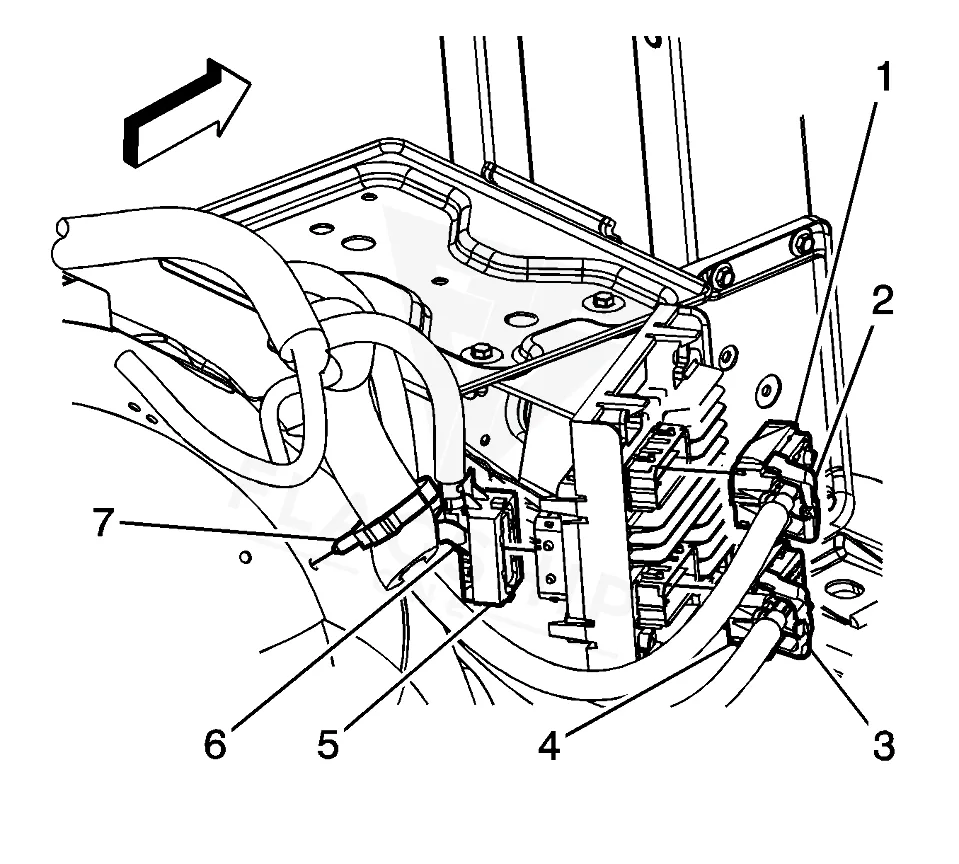
Work with the ignition off, and treat the module as static-sensitive: avoid touching the connector pins at any point.
| Operation | Configuration | Book Time |
|---|---|---|
| Powertrain Control Module R&R | Yukon XL 1500 | 1.4 hr |
| Powertrain Control Module R&R | Yukon XL 2500 | 1.4 hr |
| Powertrain Control Module Relearn | Yukon XL 1500 | 0.5 hr |
| Powertrain Control Module Relearn | Yukon XL 2500 | 0.5 hr |
| Engine Control Module Relearn | Yukon XL 1500 | 0.5 hr |
| Engine Control Module Relearn | Yukon XL 2500 | 0.5 hr |
| Engine Control Module Reset | Yukon XL 1500 | 0.3 hr |
| Engine Control Module Reset | Yukon XL 2500 | 0.3 hr |
2013 GMC Yukon XL 5.3L: When the
OEM programmed replacements — plug & play, no dealer visit.
Find yours by year, make & model →
Free shipping · Lifetime warranty
After installing a new ECM in your 2013 GMC Yukon XL 5.3L, the factory procedure requires reprogramming the module with the correct calibration for your vehicle. This step ensures the ECM communicates properly with the engine, transmission, and other systems. Specialized equipment and software are needed for this process, which is why many shops rely on pre-programmed units to save time. When you choose a VIN-programmed replacement unit, the module arrives ready to install, eliminating the need for additional programming steps. This not only simplifies the repair but also reduces the risk of compatibility issues. Without proper programming, your Yukon XL may run poorly or fail to start, so ensuring the ECM is correctly configured is essential for reliable performance.
A failing ECM in your 2013 GMC Yukon XL 5.3L can manifest in several ways, often mimicking other issues like fuel pump or ignition system failures. Common symptoms include intermittent no-start conditions, where the engine cranks but refuses to fire, or sudden stalling while driving. You may also notice the check engine light illuminating, sometimes accompanied by warning messages on the dashboard. Performance issues, such as rough idling, poor acceleration, or misfires, can also point to ECM problems. In some cases, the vehicle may enter a limp mode, limiting power to prevent further damage. If the ECM loses communication with the scan tool, diagnosing other issues becomes difficult. One of the most telling signs is the presence of internal trouble codes, such as an internal control module memory check sum error, which indicates the ECM’s processor is malfunctioning. These symptoms often appear intermittently, making them tricky to diagnose without proper testing.
When the ECM in your 2013 GMC Yukon XL 5.3L fails, it may store specific trouble codes related to internal faults. These codes help pinpoint the issue and guide the repair process.
GM issued a service bulletin (#09-06-03-004 and #09-06-03-004E) addressing intermittent no-crank/no-start conditions, warning lights, and communication issues in various control modules, including the ECM. The bulletin identifies fretting corrosion in connectors as a common cause, where slight movement between terminals creates resistance and disrupts signals. Symptoms may include intermittent malfunction indicator lamp (MIL) illumination, service messages, or stored trouble codes. The recommended repair involves disconnecting the affected connector, cleaning the terminals, and applying dielectric lubricant to prevent future corrosion. Since these issues can be difficult to duplicate during diagnosis, following the bulletin’s steps can help resolve persistent electrical gremlins in your Yukon XL.
| Bulletin | Subject | What It Addresses |
|---|---|---|
| 09-06-03-004 | Intermittent No Crank/No Start, No Module Communication, MIL, Warning Lights, Vehicle Messages | Some customers may comment on any of the following conditions: An intermittent no crank/no start Intermittent malfunction indicator lamp (MIL) illumination… |
A no-start condition where the engine cranks but doesn’t fire can often be traced to the ECM. If the module fails to send the correct signals to the fuel injectors or ignition system, the engine won’t run. Other potential causes include fuel pump issues or sensor failures, but an ECM problem is a common culprit, especially if the vehicle has stored internal trouble codes.
Diagnosing an ECM failure typically involves checking for stored trouble codes, especially those related to internal processor faults like P0601 or P0603. If the scan tool can’t communicate with the ECM, that’s another strong indicator. However, symptoms like no-start conditions or stalling can also stem from fuel system or ignition problems, so a thorough diagnosis is essential to rule out other causes.
An ECM reset (0.3 hours of labor) clears temporary data and resets adaptive values, which can help with minor performance issues. A relearn procedure (0.5 hours of labor), on the other hand, is required after replacing the ECM to synchronize the new module with your vehicle’s systems. This ensures proper communication with sensors, the transmission, and other components for optimal performance.
While the physical replacement of the ECM is straightforward, the process requires careful handling to avoid damaging connectors or the module itself. After installation, a relearn procedure is necessary, which may require specialized tools. If you’re not comfortable with these steps, it’s best to have the repair done by a professional to ensure everything is done correctly.
The ECM must be programmed with the correct calibration for your specific vehicle to ensure it communicates properly with the engine, transmission, and other systems. Without this step, the vehicle may run poorly or fail to start. Factory programming requires specialized equipment, which is why many opt for a pre-programmed replacement unit to simplify the process.
If your 2013 GMC Yukon XL 5.3L is experiencing ECM-related issues, you have two main options: repair the existing module or replace it with a new or refurbished unit. While repairs may be possible for minor issues, a replacement is often the more reliable choice for internal faults or complete failures. Opting for a pre-programmed ECM eliminates the need for additional programming steps, saving time and reducing the risk of compatibility issues. Whether you’re tackling the job yourself or leaving it to a shop, choosing the right replacement ensures your Yukon XL runs smoothly again.
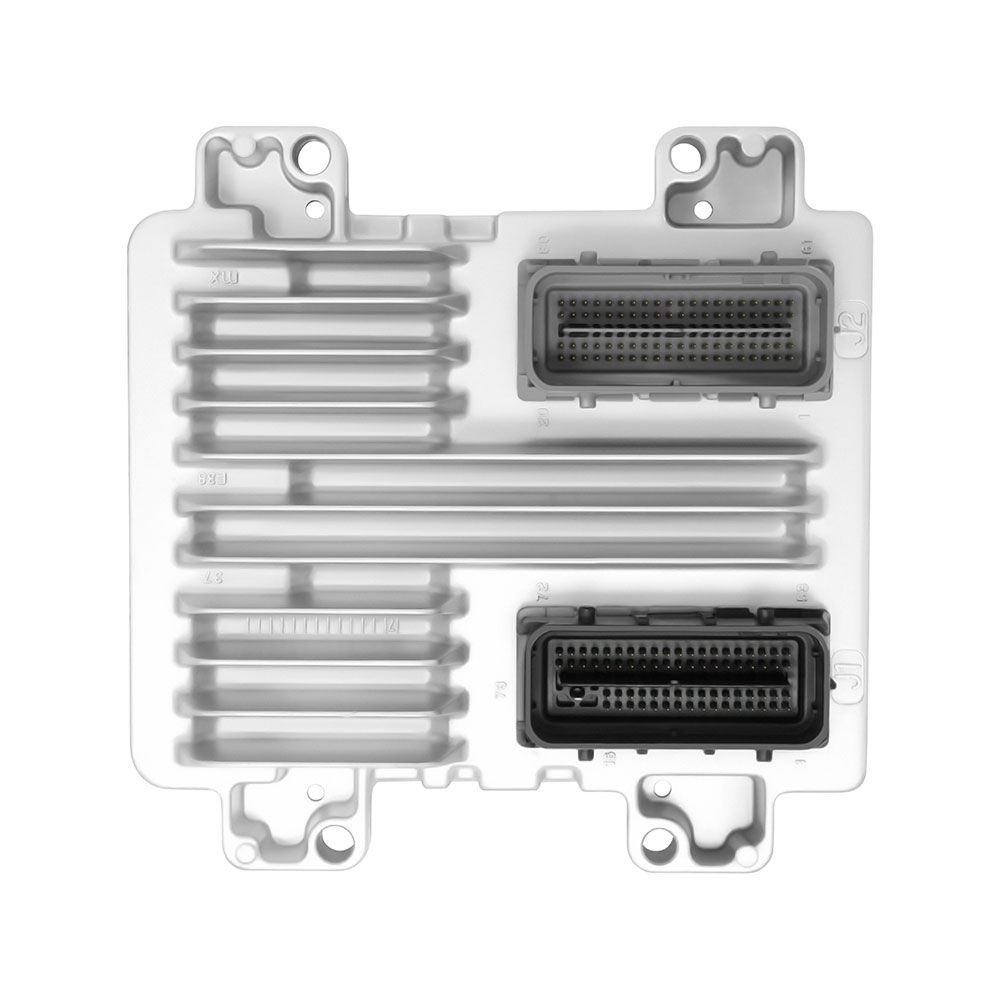
Flagship One stocks a refurbished, VIN-programmed PCM for the 2013 GMC Yukon XL with a lifetime warranty, free shipping and no core charge. The full GMC Yukon XL module lineup covers other engine configurations as well.
The engine control module in your 2013 GMC Yukon XL 5.3L plays a critical role in keeping your vehicle running smoothly. When it fails, symptoms like no-start conditions, stalling, or warning lights can disrupt your daily routine. Replacing the ECM involves more than just swapping a part—it requires proper programming and a relearn procedure to ensure everything works as it should. By understanding the process and opting for a pre-programmed unit, you can simplify the repair and get back on the road with confidence.