
Last updated on August 25th, 2026 at 01:35 pm
The powertrain control module (PCM) in your 2006 Ford Freestar manages engine performance, transmission shifting, and emissions systems. Failures may cause erratic idling, stalling, or a complete no-start condition, often triggered by voltage spikes or corrosion.
If your 2006 Ford Freestar has been stalling unexpectedly, refusing to start, or throwing unexplained engine codes, the powertrain control module (PCM) may be the culprit. This critical computer oversees everything from fuel delivery to transmission shifting, and when it fails, symptoms can range from subtle drivability issues to a complete breakdown. Replacing the PCM isn’t just about swapping hardware—it involves precise programming to ensure your vehicle’s engine, transmission, and anti-theft systems communicate correctly. Understanding the process helps you avoid unnecessary labor costs and ensures a smooth repair. Whether you’re diagnosing a no-start condition or addressing persistent misfires, knowing how the PCM functions in your Freestar—and what steps follow replacement—can save time and frustration. This guide covers the module’s role, common failure signs, and the exact procedures required to restore reliable operation.
In the 2006 Ford Freestar, the powertrain control module (PCM) acts as the brain of the engine and transmission, continuously adjusting fuel injection, ignition timing, and shift points based on sensor inputs. This module also integrates with the passive anti-theft system (PATS) to prevent unauthorized starts, meaning a failure can leave you stranded even if the engine turns over. Over time, voltage fluctuations, moisture intrusion, or connector corrosion may disrupt its operation, leading to erratic behavior like surging at idle or delayed gear engagement. When replacement becomes necessary, choosing replacement engine computers for the Freestar ensures compatibility with your vehicle’s specific calibration, as the PCM must match the engine size, transmission type, and emissions configuration. Without proper programming, even a new module won’t communicate with the transmission or anti-theft system, leaving you with a vehicle that cranks but won’t run. The Freestar’s PCM is designed to last the life of the vehicle, but environmental factors or electrical issues can shorten its lifespan, making timely diagnosis and replacement critical.
2006 Ford Freestar
OEM programmed replacements — plug & play, no dealer visit.
Find yours by year, make & model →
Free shipping · Lifetime warranty
The powertrain control module (PCM) in the 2006 Ford Freestar is located in the engine compartment, typically mounted near the firewall on the passenger side. Accessing it requires removing the plastic engine cover and possibly disconnecting nearby wiring harnesses or air intake components. Replacement involves unbolting the old unit, disconnecting the electrical connector, and installing the new module in its place. According to factory labor estimates, removing and reinstalling the PCM takes 0.5 hours. The relearn procedure, which synchronizes the module with the vehicle’s systems, also requires an additional 0.5 hours. No specialized torque specifications are provided for the mounting bolts, but ensuring a secure connection is critical to prevent vibration-related issues. The electrical connector should be inspected for corrosion or bent pins before installation, as poor contact may cause intermittent communication failures.
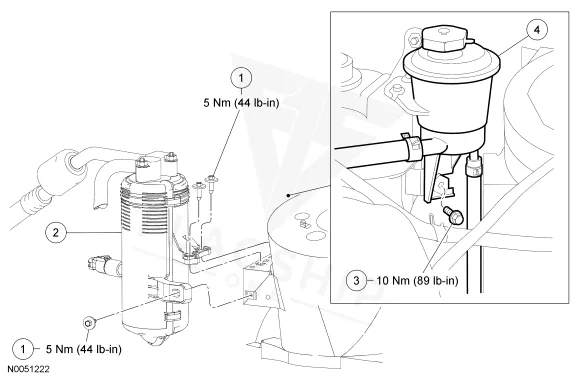
Work with the ignition off, and treat the module as static-sensitive: avoid touching the connector pins at any point.
| Operation | Configuration | Book Time |
|---|---|---|
| Powertrain Control Module R&R | All configurations | 0.5 hr |
| Powertrain Control Module Relearn | All configurations | 0.5 hr |
| Engine Control Module Relearn | All configurations | 0.5 hr |
| Engine Control Module R&R | All configurations | 0.5 hr |
After replacing the powertrain control module (PCM) in your 2006 Ford Freestar, the factory procedure requires reprogramming the passive anti-theft system (PATS) to ensure the vehicle starts and runs correctly. This step is essential because the PCM must recognize the ignition key’s transponder code to enable fuel injection and ignition. Without this synchronization, the engine may crank but fail to start. Additionally, the module must be calibrated to the vehicle’s specific VIN to communicate with the transmission and other onboard systems. Using a VIN-programmed replacement unit eliminates the need for these steps, as the module arrives pre-configured for your Freestar. This not only saves time but also reduces the risk of programming errors that could lead to further drivability issues. If you opt for a non-programmed unit, the relearn process must be performed using a factory scan tool, which typically takes 0.5 hours of labor.
A failing powertrain control module (PCM) in your 2006 Ford Freestar may produce a range of symptoms, often mimicking other issues like fuel pump failure or transmission problems. Common signs include a no-start condition where the engine cranks but doesn’t fire, stalling at idle or while driving, and erratic shifting patterns in the automatic transmission. You might also notice the check engine light illuminating, often accompanied by misfire codes or generic powertrain faults. For example, a P030X:damaged spark plug electrode fault could appear if the PCM fails to properly control ignition timing, leading to incomplete combustion. Other indicators include poor fuel economy, rough idling, or the vehicle entering a “limp mode” that restricts engine power. In some cases, the PCM may lose communication with the scan tool entirely, making diagnosis more challenging. Electrical issues like corroded connectors or voltage spikes from a weak battery can exacerbate these symptoms, so inspecting the wiring and charging system is often a good first step.
Ford service bulletin #10-03-03 addresses a known issue in the 2006 Freestar where damaged spark plug electrodes may trigger a misfire code (P030X) and illuminate the check engine light. While this bulletin primarily focuses on spark plug inspection and replacement, it also highlights the importance of verifying PCM function, as misfire codes can sometimes stem from incorrect ignition timing or fuel delivery commands. If your Freestar exhibits persistent misfires, this bulletin suggests checking the spark plugs first, but it’s worth noting that a failing PCM could produce similar symptoms. Following the bulletin’s diagnostic steps can help rule out simpler causes before pursuing module replacement.
| Bulletin | Subject | What It Addresses |
|---|---|---|
| 10-03-03 | DAMAGED SPARK PLUG ELECTRODE/MIL DTC P030X | — |
If your Freestar cranks but won’t start after a PCM replacement, the passive anti-theft system (PATS) may not be properly programmed. The PCM must recognize the ignition key’s transponder code to enable fuel and ignition systems. Without this synchronization, the engine will crank but fail to run. A factory scan tool is required to complete the PATS relearn procedure.
Driving with a failing PCM is risky, as it may cause sudden stalling, transmission shifting issues, or a complete loss of power. In some cases, the vehicle may enter a “limp mode” that restricts engine performance to prevent damage. If you suspect PCM issues, have the vehicle diagnosed promptly to avoid being stranded.
Diagnosing a bad PCM versus a wiring issue involves checking for communication with a scan tool. If the PCM doesn’t respond to the scan tool at all, inspect the wiring harness and connectors for damage or corrosion. Voltage tests at the PCM connector can also help determine if power and ground signals are reaching the module. If the wiring checks out, the PCM itself may be faulty.
Yes, the PCM must be programmed to your Freestar’s VIN to ensure proper communication with the transmission, anti-theft system, and other onboard modules. A VIN-programmed replacement unit eliminates the need for this step, as it arrives pre-configured for your specific vehicle. Without VIN programming, the module may not function correctly, leading to drivability issues.
PCM failures in the Freestar can result from voltage spikes, moisture intrusion, or connector corrosion. A weak battery or faulty alternator may send inconsistent voltage to the module, damaging its internal circuits. Moisture can enter through damaged seals or corroded connectors, leading to short circuits. Regular maintenance of the electrical system can help prevent these issues.
If your 2006 Ford Freestar is experiencing PCM-related issues, you have two primary repair options: a dealership reprogramming service or a VIN-programmed replacement unit. Dealership visits often involve higher labor costs and potential wait times for module availability. A pre-programmed replacement from Flagship One ensures your Freestar’s engine, transmission, and anti-theft systems are ready to go, reducing downtime and eliminating the need for additional programming steps. This approach is particularly useful if you’re dealing with a no-start condition or persistent drivability problems.
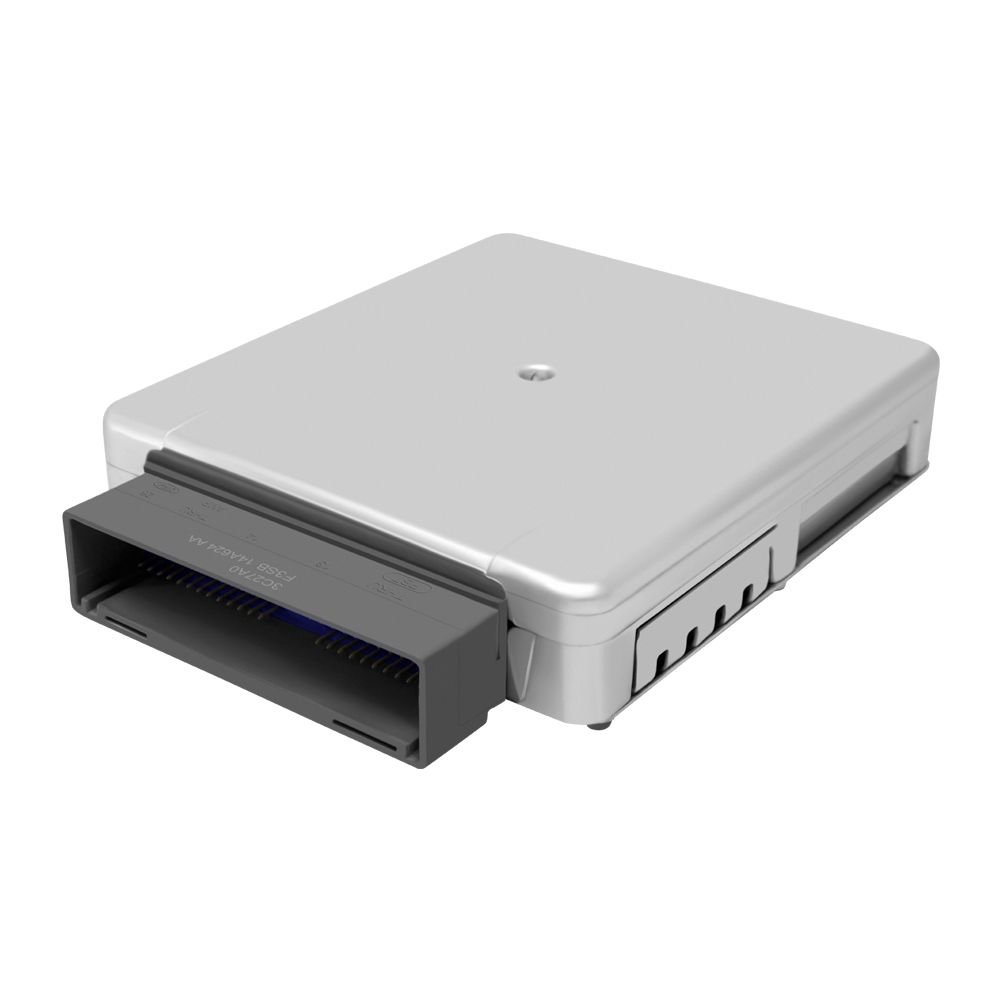
Flagship One stocks a refurbished, VIN-programmed PCM for the 2006 Ford Freestar with a lifetime warranty, free shipping and no core charge. The full Ford Freestar module lineup covers other engine configurations as well.
The powertrain control module in your 2006 Ford Freestar plays a critical role in engine performance, transmission shifting, and anti-theft security. When it fails, symptoms like stalling, misfires, or a no-start condition can leave you stranded. Understanding the replacement process, including the necessary relearn procedures, helps you make informed decisions about repairs. Whether you choose a dealership service or a VIN-programmed replacement unit, addressing PCM issues promptly ensures your Freestar remains reliable for years to come.