
Last updated on August 25th, 2026 at 01:14 pm
In the 2004 Ford Freestar, the Powertrain Control Module and Engine Control Module manage fuel delivery, ignition timing, and transmission shift strategy. Failure of either unit can cause loss of driveability, error codes, and loss of communication with diagnostic tools.
When a 2004 Ford Freestar begins to exhibit erratic power delivery, unexpected stalling, or diagnostic trouble codes, the underlying cause often traces back to its electronic control units. The Powertrain Control Module (PCM) and Engine Control Module (ECM) act as the vehicle’s brain, interpreting sensor data and commanding the engine and transmission. Understanding how these modules function, where they sit, and what steps are needed after replacement can help you avoid costly misdiagnoses and ensure a smooth repair. This guide walks you through the basics of the PCM and ECM in this model, outlines the labor involved, and explains why proper programming is essential for reliable performance.
The Powertrain Control Module and Engine Control Module in a 2004 Ford Freestar serve as the central processors that coordinate engine output, transmission shifts, and emissions controls. They receive input from dozens of sensors, calculate optimal fuel and spark timing, and command actuators to maintain smooth operation. Because the PCM also oversees the anti‑lock brake and traction systems, its correct function is critical for safety and drivability. When either unit fails, the vehicle may lose power, trigger multiple fault codes, or refuse to start. Proper replacement restores the electronic logic needed for the engine to run within design specifications. The module’s role is especially vital given the Freestar’s integrated vehicle dynamics system, which relies on accurate data from both PCM and ECM. replacement powertrain control modules for the 2004 Ford Freestar ensure that the vehicle’s powertrain remains synchronized with the driver’s demands.
2004 Ford Freestar
OEM programmed ECM for your 2004 Ford Freestar — plug & play, no dealer visit.
Free shipping · Lifetime warranty
Both the Powertrain Control Module and the Engine Control Module are mounted within the engine compartment of the 2004 Ford Freestar, as indicated by the factory component‑location index. Removal of each unit is listed at half an hour of labor in the service manual, reflecting the straightforward access path once the engine cover is opened. The procedure typically involves disconnecting the battery, unplugging the module harnesses, and unbolting the unit from its bracket. Reinstallation follows the reverse order, with torque specifications provided in the manual for the mounting bolts. After the new module is seated, the harnesses are reconnected and the battery is restored, preparing the vehicle for the required relearn steps.
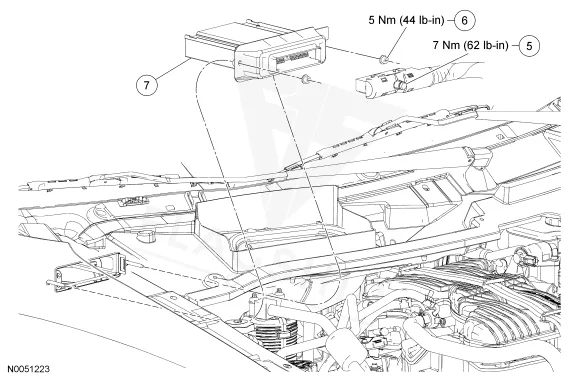
Work with the ignition off, and treat the module as static-sensitive: avoid touching the connector pins at any point.
| Operation | Configuration | Book Time |
|---|---|---|
| Powertrain Control Module R&R | All configurations | 0.5 hr |
| Powertrain Control Module Relearn | All configurations | 0.5 hr |
| Engine Control Module Relearn | All configurations | 0.5 hr |
| Engine Control Module R&R | All configurations | 0.5 hr |
Once the PCM or ECM is replaced in a 2004 Ford Freestar, the factory service manual calls for a Powertrain Control Module relearn, an Engine Control Module relearn, and a separate Powertrain Control Module replacement procedure, each allocated half an hour of labor. Flagship One supplies units that are already VIN‑programmed, so those relearn steps are completed at the factory and do not need to be performed in the shop. This eliminates the need for additional diagnostic equipment and reduces the chance of programming errors. a VIN-programmed replacement unit arrives ready to communicate with the vehicle’s network, allowing you to focus on mechanical installation and final verification.
Typical signs of a failing PCM or ECM in the 2004 Ford Freestar include intermittent loss of power, engine stalling at idle, and the appearance of multiple diagnostic codes on the scan tool. Drivers may notice that the transmission shifts harshly or fails to engage, and the anti‑lock brake system may deactivate. In some cases, the vehicle will not start at all because the engine control logic cannot initialize. When the specific fault module calibration failure C1991:anchor text is present, the system reports a calibration failure that prevents proper operation of the traction control and brake systems. Prompt attention to these symptoms can prevent further component damage and maintain vehicle safety.
Service Bulletin 04-12-05 addresses a calibration failure (code C1991) affecting the anti‑lock brake, advanced traction, and interactive vehicle dynamics systems. Service Bulletin 10-03-03 covers damaged spark plug electrodes that trigger misfire codes in the P030X series.
| Bulletin | Subject | What It Addresses |
|---|---|---|
| 04-12-05 | ANTI-LOCK BRAKE, ADVANCED TRAC, INTERACTIVE VEHICLE DYNAMICS (IVD), TRACTION CONTROL SYSTEM – D | — |
| 10-03-03 | DAMAGED SPARK PLUG ELECTRODE/MIL DTC P030X | — |
The factory book time lists 0.5 hours for removal and another 0.5 hours for the relearn procedure, totaling about one hour of work.
Yes, the service manual specifies a 0.5‑hour relearn for the ECM, but a VIN‑programmed unit from Flagship One already includes that step.
The PCM controls the anti‑lock brake and traction systems, so a failure can trigger related warning lights and error codes.
Code C1991 points to a module calibration failure that affects the vehicle’s dynamic stability and traction controls.
The PCM is located in the engine compartment, making it accessible once the engine cover is removed, as reflected in the half‑hour labor estimate.
When a 2004 Ford Freestar requires a new PCM or ECM, you can choose a brand‑new factory‑programmed unit or a refurbished replacement that meets OEM specifications. Both options restore the vehicle’s electronic control functions, but a VIN‑programmed unit from Flagship One eliminates the need for on‑site relearn steps, simplifying the repair process.
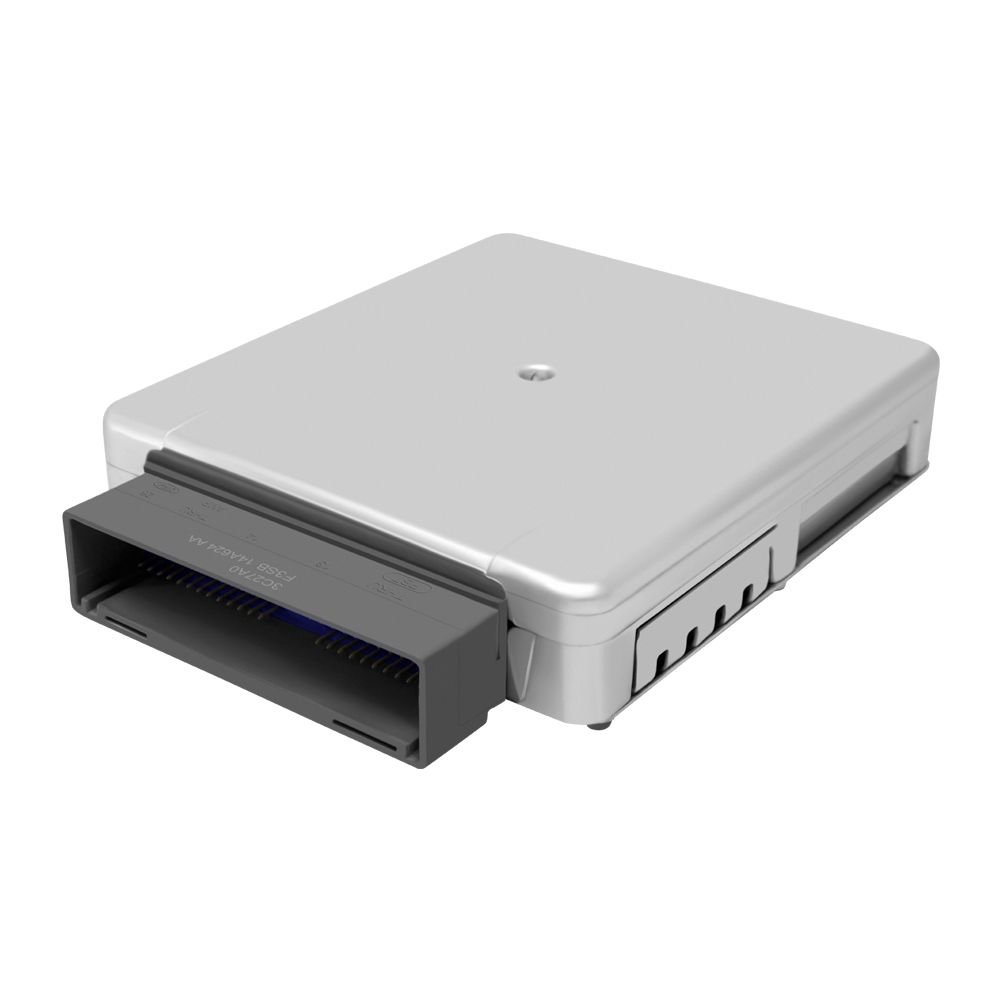
Flagship One stocks a refurbished, VIN-programmed PCM for the 2004 Ford Freestar with a lifetime warranty, free shipping and no core charge. The full Ford Freestar module lineup covers other engine configurations as well.
Replacing the PCM or ECM in your 2004 Ford Freestar restores proper engine and transmission management, helping the vehicle run smoothly and safely. Consider a VIN‑programmed replacement to reduce labor and avoid additional programming.