
Last updated on August 25th, 2026 at 01:36 pm
The Powertrain Control Module (PCM) in your 2003 Ford Ranger 2.3L engine manages fuel delivery, ignition timing, and emissions systems. Failure may cause erratic engine behavior, stalling, or a no-start condition, often triggered by electrical issues or internal faults.
If your 2003 Ford Ranger with the 2.3L engine is experiencing unexplained stalling, misfires, or a no-start condition, the Powertrain Control Module (PCM) may be the culprit. This small but critical computer manages everything from fuel injection to ignition timing, ensuring your engine runs smoothly. When it fails, symptoms can range from subtle drivability issues to complete engine shutdown. Understanding the role of the PCM, how to identify failure, and what replacement involves can save you time and frustration. This guide covers the essentials: where the module is located, what labor to expect, and why a pre-programmed replacement unit can simplify the process. You’ll also learn how to recognize common failure symptoms and what steps to take if your Ranger’s PCM needs attention.
The Powertrain Control Module (PCM) in your 2003 Ford Ranger is the brain behind your engine’s performance. It continuously monitors sensors throughout the vehicle, adjusting fuel delivery, ignition timing, and emissions controls to optimize efficiency and power. Without a functioning PCM, your Ranger may struggle to start, idle roughly, or even stall unexpectedly. This module also plays a role in transmission shifting, though in this vehicle, its primary focus is on engine management. When the PCM fails, it often triggers a cascade of issues, from poor fuel economy to erratic engine behavior. Replacing it isn’t just about swapping a part—it’s about restoring your vehicle’s ability to operate as designed. If you’re considering a replacement, replacement engine computers for the Ranger are available to match your vehicle’s specifications, ensuring compatibility and performance.
2003 Ford Ranger 2.3L
OEM programmed ECM for your 2003 Ford Ranger 2.3L — plug & play, no dealer visit.
Free shipping · Lifetime warranty
In the 2003 Ford Ranger with the 2.3L engine, the Powertrain Control Module (PCM) is mounted on the passenger side of the engine compartment, near the firewall. Accessing it requires removing the air intake duct and possibly the battery tray for better clearance. The replacement process involves disconnecting the electrical connector, removing the mounting bolts, and installing the new unit. According to factory labor estimates, removing and reinstalling the PCM typically takes 0.6 hours. The module is secured with bolts, and care should be taken to avoid damaging the connector or pins during removal. Once installed, the new PCM must be programmed to your vehicle’s VIN to ensure proper operation, though this step is already handled if you use a pre-programmed unit.
Work with the ignition off, and treat the module as static-sensitive: avoid touching the connector pins at any point.
| Operation | Configuration | Book Time |
|---|---|---|
| Powertrain Control Module R&R | All configurations | 0.6 hr |
| Powertrain Control Module Relearn | All configurations | 0.5 hr |
| Engine Control Module Relearn | All configurations | 0.5 hr |
| Engine Control Module R&R | All configurations | 0.6 hr |
After replacing the Powertrain Control Module (PCM) in your 2003 Ford Ranger, the factory procedure requires a relearn process to synchronize the new module with your vehicle’s systems. This typically involves using a scan tool to perform an Engine Control Module (ECM) or PCM relearn, which can take up to 0.5 hours of labor. The relearn ensures that the module recognizes your engine’s specific parameters, such as fuel trims and sensor calibrations. However, if you install a VIN-programmed replacement unit, this step is already completed, saving you time and potential hassle. The pre-programmed unit arrives ready to communicate with your Ranger’s engine and transmission, allowing you to focus on the mechanical installation without additional software setup.
When the Powertrain Control Module (PCM) in your 2003 Ford Ranger begins to fail, you may notice a range of symptoms that can disrupt your driving experience. A common issue is a no-start condition, where the engine cranks but refuses to fire, often due to incorrect fuel or spark signals from the PCM. Stalling is another frequent complaint, particularly at idle or during low-speed driving, as the module struggles to maintain stable engine operation. Misfires may also occur, leading to rough idling or hesitation under acceleration, which can trigger the check engine light. In some cases, you might see communication errors when attempting to use a scan tool, indicating the PCM is not responding properly. Another telltale sign is poor fuel economy, as the PCM may fail to optimize fuel delivery. If your Ranger exhibits these symptoms, it’s worth checking for trouble codes, such as an internal control module memory check error, which can point directly to PCM issues.
Stalling at idle after a battery replacement can occur if the PCM loses its learned parameters. The module may need a relearn procedure to recalibrate fuel trims and idle settings. If the issue persists, the PCM itself could be faulty, especially if other symptoms like misfires or communication errors are present.
Yes, a failing PCM can cause misfires across all cylinders if it fails to deliver correct spark or fuel signals. This often results in rough idling, hesitation, or a no-start condition. However, misfires can also stem from ignition or fuel system issues, so diagnosing the PCM directly is recommended.
Start by checking for trouble codes, as a faulty PCM often logs internal errors like P0601. Inspect the wiring harness and connectors for damage, corrosion, or loose pins. If the harness and connectors are intact, the PCM itself may be the issue, especially if symptoms persist after addressing other potential causes.
Skipping the PCM relearn may result in poor engine performance, including rough idling, hesitation, or even a no-start condition. The relearn ensures the module adapts to your engine’s specific parameters, such as fuel trims and sensor calibrations. Without it, the PCM may operate with default settings, leading to drivability issues.
A weak or failing battery can stress the PCM by causing voltage fluctuations, which may lead to internal damage over time. Low voltage can also disrupt the module’s ability to retain learned parameters, resulting in performance issues. Regularly checking your battery’s health can help protect the PCM.
If your 2003 Ford Ranger is exhibiting signs of PCM failure, you have options for replacement. A new OEM module may require additional programming and relearn steps, adding time and cost to the repair. Alternatively, a refurbished or pre-programmed replacement unit can simplify the process, arriving ready to install and eliminating the need for post-installation programming. Consider your vehicle’s needs and your repair timeline when choosing the best solution.
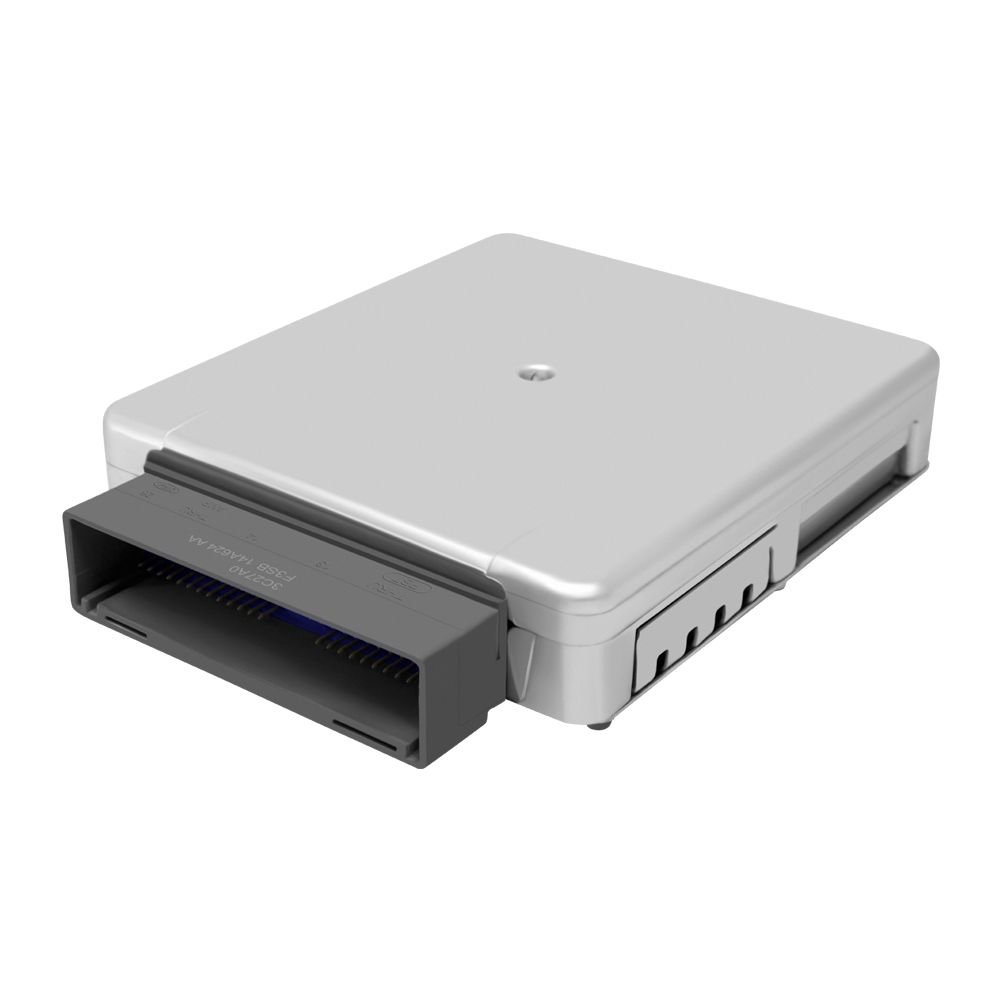
Flagship One stocks a refurbished, VIN-programmed PCM for the 2003 Ford Ranger with a lifetime warranty, free shipping and no core charge. The full Ford Ranger module lineup covers other engine configurations as well.
The Powertrain Control Module in your 2003 Ford Ranger plays a critical role in engine performance, and addressing issues promptly can prevent further drivability problems. Whether you’re dealing with stalling, misfires, or a no-start condition, understanding the symptoms and replacement process can help you make informed decisions. If you opt for a pre-programmed replacement unit, you’ll save time and avoid the hassle of additional programming steps. Keep your Ranger running smoothly by staying proactive about PCM health and maintenance.