
Last updated on August 25th, 2026 at 01:38 pm
In the 1999 Ford Ranger the Powertrain Control Module and Engine Control Module manage engine timing, fuel delivery, and transmission coordination. A failure in either unit can cause erratic idle, loss of power, or illumination of the malfunction indicator lamp, often linked to communication errors or sensor misreadings.
When a 1999 Ford Ranger begins to exhibit abnormal idle speeds or a persistent MIL, the Powertrain Control Module (PCM) and Engine Control Module (ECM) are common suspects. Understanding how these computers operate, what the factory recommends for their replacement, and how to avoid repeat failures can save you time and money. This guide walks you through the location of each module, the labor involved, the programming requirements, and practical steps to keep the new unit functioning reliably. By the end, you’ll know what to expect from a repair or a refurbished swap and how Flagship One’s VIN‑programmed replacements fit into the process.
The PCM in a 1999 Ford Ranger serves as the central brain for both engine and transmission functions. It interprets sensor data, controls fuel injection, ignition timing, and coordinates shift points for the automatic transmission. When the PCM fails, the vehicle may experience high idle, loss of power, or a steady MIL. The ECM works alongside the PCM, focusing on engine‑specific tasks such as emissions control and idle regulation. Both modules share a common data bus, so a fault in one can affect the other’s communication. Proper operation is essential for meeting emissions standards and delivering smooth performance. For owners seeking a new unit, the market offers replacement powertrain control modules for 1999 Ford Ranger that match the original specifications.
1999 Ford Ranger
OEM programmed ECM for your 1999 Ford Ranger — plug & play, no dealer visit.
Free shipping · Lifetime warranty
In the 1999 Ford Ranger the PCM is mounted under the dash on the passenger side, secured with bolts that typically require about 0.6 hours to remove and replace according to the labor guide. Access may involve disconnecting the battery and removing the lower steering column cover to reach the connector. The ECM resides in the engine compartment, often attached to the firewall near the intake manifold, and the removal process also averages 0.6 hours of labor. After the unit is out, the connector plugs are inspected for corrosion before the new module is seated and fastened. The job concludes with a brief relearn of the control logic, which the labor guide lists as 0.5 hours for each module.
Work with the ignition off, and treat the module as static-sensitive: avoid touching the connector pins at any point.
| Operation | Configuration | Book Time |
|---|---|---|
| Powertrain Control Module R&R | All configurations | 0.6 hr |
| Powertrain Control Module Relearn | All configurations | 0.5 hr |
| Engine Control Module Relearn | All configurations | 0.5 hr |
| Engine Control Module R&R | All configurations | 0.6 hr |
Factory service procedures for the Ranger require a specific relearn sequence after installing a new PCM or ECM. The Powertrain Control Module Relearn takes roughly 0.5 hours, while the Engine Control Module Relearn adds another 0.5 hours. Flagship One supplies a VIN-programmed replacement unit that arrives already matched to the vehicle’s VIN, eliminating the need for those on‑site programming steps. Technicians can therefore focus on the physical install and verification, knowing the unit will communicate correctly with the vehicle’s network from the start.
Owners of a 1999 Ford Ranger may notice a high idle ranging from 1300 to 2000 RPM when the throttle is closed, especially if the transmission is in neutral or the clutch is depressed. The malfunction indicator lamp often lights up, and a scan tool may return a diagnostic trouble code such as communication error with the PCM. Additional signs include intermittent stalling, rough idle, and occasional loss of power during acceleration. These symptoms stem from the PCM or ECM failing to process sensor inputs correctly or losing communication on the vehicle’s data bus.
Technical Service Bulletin 99-04-03 advises out‑of‑vehicle reprogramming of the Powertrain Control Modules for the Ranger. Bulletin 98-26-08 addresses a high idle condition and MIL illumination linked to code P0320, recommending specific diagnostic steps and potential PCM updates.
| Bulletin | Subject | What It Addresses |
|---|---|---|
| 99-04-03 | EEC V VEHICLES ONLY – OUT-OF-VEHICLE – REPROGRAMMING POWERTRAIN CONTROL MODULES (PCMS) | — |
| 98-26-08 | HIGH IDLE SPEED (1300-2000 RPM) DURING CLOSED THROTTLE DECELERATION WITH THE TRANSMISSION IN NE | — |
Yes, the PCM controls idle speed, and a malfunction can cause the engine to stay at a higher RPM than normal, especially when the throttle is closed.
Standard hand tools are sufficient for removal and installation; the labor guide lists the job as taking about 0.6 hours.
Not always; the MIL can be triggered by various sensor issues, but a persistent code like P0601 often points to a PCM communication fault.
A VIN‑programmed unit arrives pre‑configured to match the vehicle’s parameters, eliminating the need for on‑site reprogramming and reducing installation time.
Regular visual inspections during routine service are recommended, especially if you notice intermittent electrical issues.
When the PCM or ECM in your 1999 Ford Ranger needs attention, you can choose between a direct repair or installing a refurbished replacement. Both options require the standard labor times and a brief relearn process, but a Flagship One VIN‑programmed unit removes the programming step entirely. Evaluate the condition of the existing module, consider the vehicle’s mileage, and decide which path aligns best with your service goals.
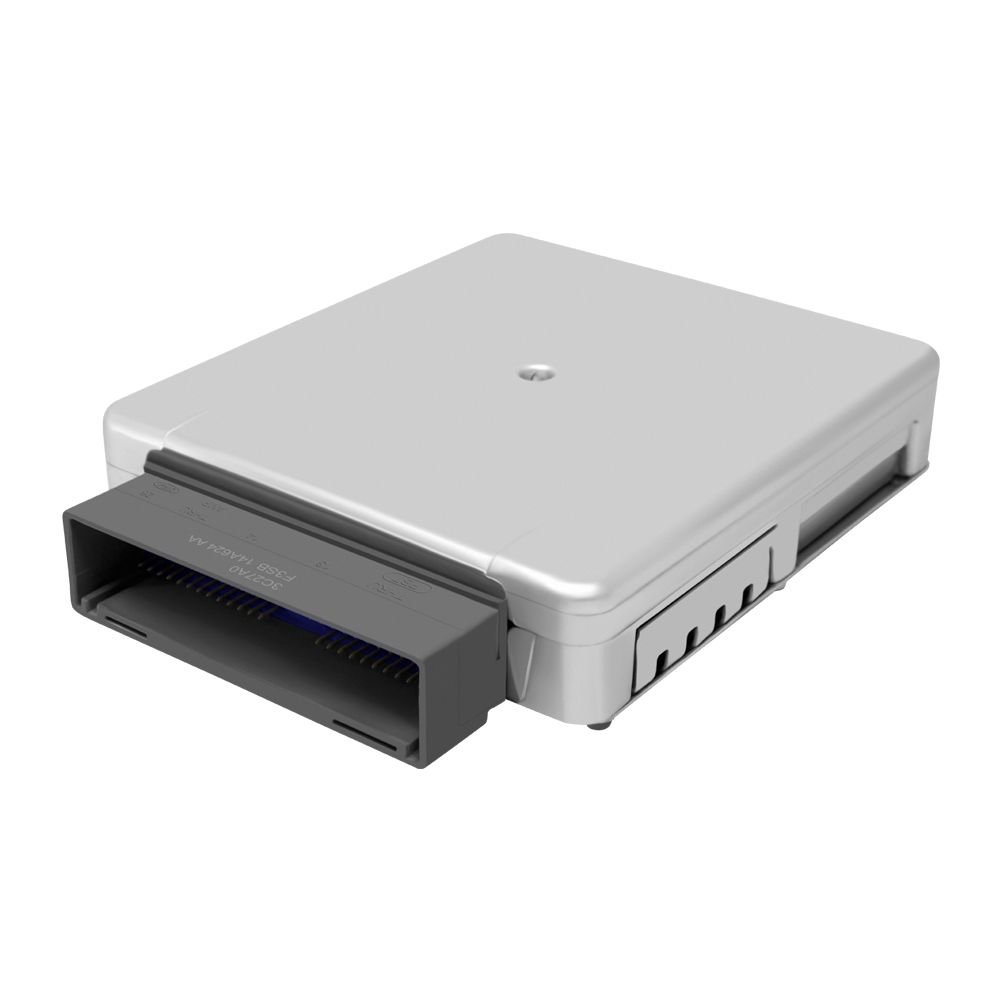
Flagship One stocks a refurbished, VIN-programmed PCM for the 1999 Ford Ranger with a lifetime warranty, free shipping and no core charge. The full Ford Ranger module lineup covers other engine configurations as well.
Replacing the PCM or ECM in a 1999 Ford Ranger can restore reliable idle and clear the MIL, keeping the truck running smoothly. Whether you opt for a new or refurbished unit, the proper install and verification steps are essential. Contact a qualified technician to assess your specific situation and explore the best solution.