
Last updated on August 25th, 2026 at 01:38 pm
The Powertrain Control Module (PCM) in your 1997 Ford Explorer 5.0L manages fuel injection, ignition timing, and transmission shifts. Failures often trigger erratic engine behavior, stored trouble codes, or complete no-crank conditions.
If your 1997 Ford Explorer 5.0L has developed unexplained stalling, rough idle, or a stubborn check-engine light, the Powertrain Control Module (PCM) may be at fault. This critical computer manages everything from fuel delivery to transmission shifts, and its failure can leave you stranded. Replacing it isn’t just about swapping a box—proper installation and programming are essential to restore smooth operation. Understanding the process helps you avoid unnecessary labor costs and ensures your Explorer runs reliably. Whether you’re diagnosing symptoms or preparing for a replacement, knowing the factory procedures and labor expectations puts you in control of the repair.
The Powertrain Control Module in your 1997 Ford Explorer 5.0L serves as the brain of the engine and transmission. It continuously adjusts fuel injection, ignition timing, and shift points based on sensor inputs like throttle position, oxygen levels, and engine temperature. Without a functioning PCM, the engine may fail to start, run poorly, or shift erratically. Unlike earlier vehicles with separate engine and transmission controllers, this Explorer uses a single unit, simplifying wiring but making its reliability even more critical. When the module fails, symptoms often mimic other issues—like a bad sensor or fuel pump—so proper diagnosis is key. If replacement becomes necessary, you’ll need replacement engine computers for the Explorer that match the vehicle’s original programming to avoid additional reprogramming steps.
Engine computer (ECM/PCM)
OEM programmed replacements — plug & play, no dealer visit.
Find yours by year, make & model →
Free shipping · Lifetime warranty
In the 1997 Ford Explorer 5.0L, the Powertrain Control Module is mounted inside the passenger-side footwell, behind a kick panel. Access requires removing the panel, which is typically secured with plastic clips or screws. Once exposed, the PCM is held in place by a single bolt or bracket. Disconnecting the battery ground cable is mandatory before unplugging the module to prevent electrical damage. The factory labor time for removal and replacement is 0.4 hours, though additional time may be needed if corrosion or damaged connectors complicate the process. After installation, the module’s connectors should be inspected for bent pins or debris before reconnecting the battery.
Work with the ignition off, and treat the module as static-sensitive: avoid touching the connector pins at any point.
| Operation | Configuration | Book Time |
|---|---|---|
| Powertrain Control Module R&R | All configurations | 0.4 hr |
| Powertrain Control Module Relearn | All configurations | 0.5 hr |
| Engine Control Module Relearn | All configurations | 0.5 hr |
| Engine Control Module R&R | All configurations | 0.4 hr |
After replacing the Powertrain Control Module in your 1997 Ford Explorer 5.0L, the factory requires a 0.5-hour relearn procedure to synchronize the new unit with the vehicle’s sensors and transmission. This process typically involves using a scan tool to reset adaptive values and may include a drive cycle to recalibrate shift points and fuel trims. However, if you install a VIN-programmed replacement unit, these steps are already completed, saving you time and potential frustration. The module arrives pre-configured for your Explorer’s specific engine and transmission, eliminating the need for on-vehicle reprogramming. This ensures the vehicle starts and runs correctly without additional dealer visits or specialized equipment.
A failing Powertrain Control Module in your 1997 Ford Explorer 5.0L can cause a range of symptoms, often mimicking other issues. Common signs include intermittent no-start conditions, where the engine cranks but refuses to fire, or sudden stalling at idle or while driving. You may also notice rough idle, hesitation under acceleration, or poor fuel economy. Transmission shifts might feel harsh or delayed, and the check-engine light could illuminate with codes related to fuel, ignition, or sensor performance. In some cases, the vehicle may enter a limp-home mode, limiting engine power. Scan tool communication may also fail, leaving you unable to retrieve trouble codes. One specific code associated with PCM failure is slow oxygen sensor response, which can indicate the module isn’t processing sensor data correctly. If these symptoms appear, prompt diagnosis is essential to rule out simpler issues like bad grounds or sensor failures before assuming the PCM is at fault.
Ford issued several service bulletins addressing Powertrain Control Module issues in the 1997 Explorer 5.0L. TSB 97-09-08 outlines procedures for reprogramming the PCM to resolve drivability concerns, while TSB 99-04-03 focuses on out-of-vehicle reprogramming for EEC V vehicles. Another bulletin, TSB 97-15-22, specifically addresses Diagnostic Trouble Codes P0133 and P0153, which relate to oxygen sensor performance and may indicate PCM or wiring issues. These bulletins highlight the importance of keeping the module updated and properly calibrated to avoid recurring problems.
| Bulletin | Subject | What It Addresses |
|---|---|---|
| 97-09-08 | POWERTRAIN CONTROL MODULE – REPROGRAM POWERTRAIN CONTROL MODULE (PCM) – SERVICE PROCEDURES – SE | — |
| 99-04-03 | EEC V VEHICLES ONLY – OUT-OF-VEHICLE – REPROGRAMMING POWERTRAIN CONTROL MODULES (PCMS) | — |
| 97-15-22 | DIAGNOSTIC TROUBLE CODES (DTCS) P0133 AND P0153 STORED IN MEMORY – EXPLORER WITH 4.0L OR 5.0L E | — |
If the engine cranks but won’t start, the new PCM may not be properly programmed or synchronized with the vehicle’s sensors. A relearn procedure is often required to reset adaptive values. If the module wasn’t pre-programmed for your Explorer, it may need additional calibration using a scan tool.
Driving with a failing PCM can lead to further damage, especially if the issue causes poor fuel delivery or erratic transmission shifts. The vehicle may stall unexpectedly or enter limp-home mode, limiting performance. It’s safer to address the problem promptly.
A bad PCM often triggers multiple unrelated codes or causes scan tool communication failures. If replacing sensors doesn’t resolve the issue, or if the vehicle exhibits symptoms like stalling or no-start conditions, the PCM may be the culprit. Professional diagnosis can confirm the root cause.
Failing to disconnect the battery can cause voltage spikes that damage the new PCM or other electronic components. It may also prevent the module from initializing correctly, leading to starting or drivability issues. Always follow the factory caution to avoid costly mistakes.
A used PCM may work if it’s from the same engine and transmission configuration, but it will likely require reprogramming to match your vehicle’s VIN. Without proper calibration, it may cause drivability issues or trigger check-engine lights. Pre-programmed units eliminate this risk.
When your 1997 Ford Explorer 5.0L’s Powertrain Control Module fails, you have two main options: attempt a repair or opt for a replacement. Repairs may address specific issues like corrupted software, but they don’t always resolve underlying hardware problems. A new or refurbished replacement unit ensures reliability, especially if it arrives pre-programmed for your Explorer. This eliminates the need for additional reprogramming and reduces the risk of recurring issues. Given the labor involved, choosing a unit that’s ready to install can save time and frustration.
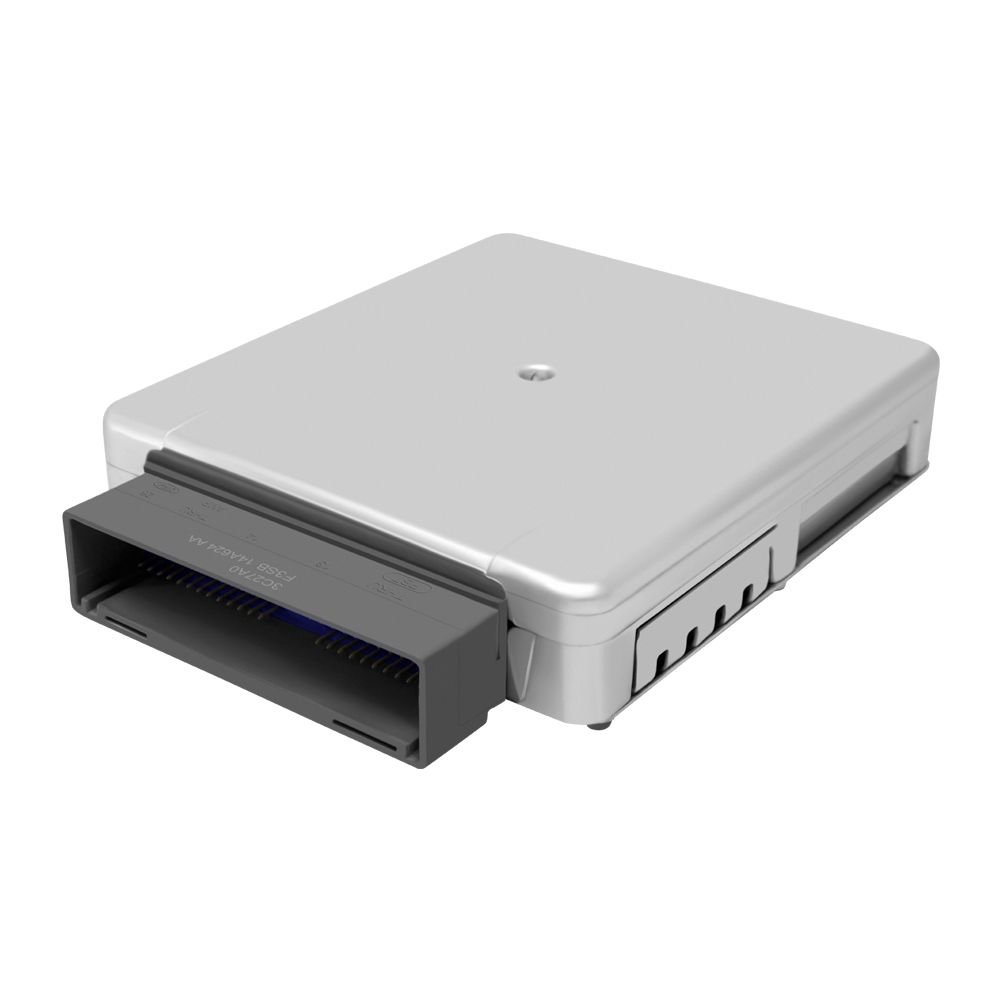
Flagship One stocks a refurbished, VIN-programmed PCM for the 1997 Ford Explorer with a lifetime warranty, free shipping and no core charge. The full Ford Explorer module lineup covers other engine configurations as well.
The Powertrain Control Module in your 1997 Ford Explorer 5.0L plays a critical role in keeping the engine and transmission running smoothly. If you’re experiencing symptoms like stalling, no-start conditions, or check-engine lights, addressing the PCM promptly can restore reliability. Whether you’re replacing the unit yourself or having it done professionally, understanding the process ensures a successful repair. With the right approach, your Explorer can continue to perform as expected for years to come.