
Last updated on August 25th, 2026 at 01:40 pm
In the 1994 Ford Explorer with the 4.0L engine, the Powertrain Control Module (PCM) manages ignition, fuel delivery, and emissions. Failure may cause no-start conditions, stalling, or poor engine performance.
If your 1994 Ford Explorer is experiencing unexplained stalling, hard starts, or a check engine light that won’t go away, the Powertrain Control Module (PCM) may be the culprit. This small but critical component acts as the brain of your vehicle’s engine, managing fuel delivery, ignition timing, and emissions systems. When it fails, symptoms can range from subtle performance issues to a complete no-start condition. Replacing the PCM isn’t just about swapping a part—it involves careful installation and a relearn procedure to ensure your Explorer runs smoothly again. Understanding the process helps you avoid unnecessary delays and ensures your vehicle gets back on the road with minimal downtime.
In the 1994 Ford Explorer, the Powertrain Control Module (PCM) is responsible for coordinating the engine’s fuel injection, ignition timing, and emissions controls. It constantly adjusts these systems based on input from sensors throughout the vehicle, ensuring optimal performance and efficiency. Without a properly functioning PCM, your Explorer may struggle to start, idle roughly, or even stall unexpectedly. The module also plays a role in managing the distributorless ignition system (DIS), which is critical for spark delivery. When replacement becomes necessary, replacement engine computers for the Explorer are designed to restore factory-level operation, but proper installation and programming are key to avoiding further issues.
1994 Ford Explorer 4.0L: When the
OEM programmed replacements — plug & play, no dealer visit.
Find yours by year, make & model →
Free shipping · Lifetime warranty
The Powertrain Control Module (PCM) in the 1994 Ford Explorer is typically located inside the vehicle, often mounted under the dashboard on the passenger side or near the firewall. Accessing it requires removing a few screws or bolts securing the module’s mounting bracket. Once exposed, the PCM can be disconnected by releasing the wiring harness connector, which may have a retention clip that needs to be carefully disengaged. Reinstallation follows the reverse process, with the new module secured in place and the wiring reconnected. Labor time for removal and replacement is typically 0.5 hours, though additional time may be needed if the module’s location requires extra disassembly.
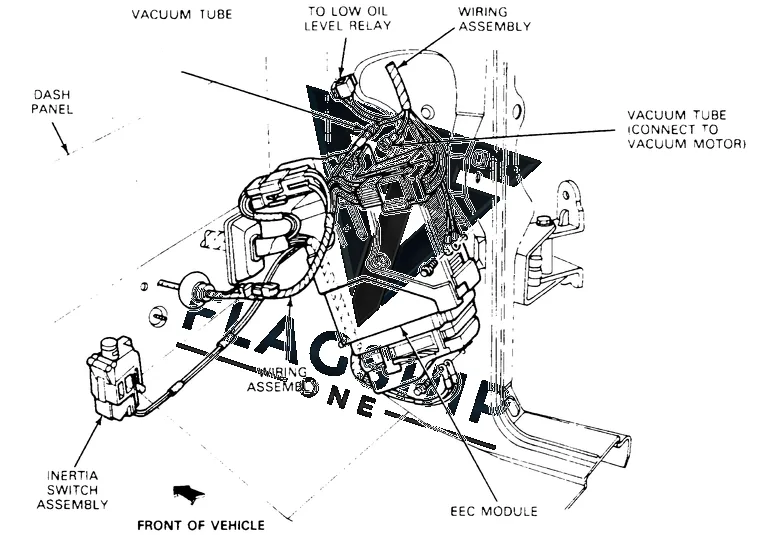
Work with the ignition off, and treat the module as static-sensitive: avoid touching the connector pins at any point.
| Operation | Configuration | Book Time |
|---|---|---|
| Engine Control Module R&R | All configurations | 0.9 hr |
| Powertrain Control Module R&R | All configurations | 0.5 hr |
| Powertrain Control Module Relearn | All configurations | 0.5 hr |
After replacing the Powertrain Control Module (PCM) in your 1994 Ford Explorer, the vehicle may require a relearn procedure to adapt to the new unit. This often involves driving the vehicle for 10 miles or more to allow the PCM to recalibrate its adaptive strategies. However, a VIN-programmed replacement unit from Flagship One arrives pre-configured to your vehicle’s specifications, eliminating the need for additional programming steps. This ensures the module is ready to function immediately after installation, reducing the risk of post-replacement issues like poor idle or hesitation.
When the Powertrain Control Module (PCM) in your 1994 Ford Explorer begins to fail, you may notice symptoms like intermittent stalling, difficulty starting, or a rough idle. The vehicle might also exhibit poor acceleration or a noticeable drop in fuel efficiency. In some cases, the malfunction indicator lamp (MIL) may illuminate, though this isn’t always accompanied by a specific trouble code. If the PCM loses communication with the ignition control module, you might experience misfires or a complete no-spark condition. While these symptoms can stem from other issues, persistent problems often point to the PCM, especially if other components like sensors and wiring have been ruled out.
Ford issued service bulletin #95-10-02 addressing an illuminated malfunction indicator lamp (MIL) in the 1994 Explorer with the distributorless ignition system (DIS). The bulletin highlights issues with the ignition control module (ICM) connector retention clip and seal, which may lead to poor electrical connections. It recommends inspecting and, if necessary, replacing the connector retention clip and seal, as well as checking the wiring for damage. This bulletin is specific to vehicles experiencing MIL illumination tied to the DIS and does not apply to all PCM-related concerns.
| Bulletin | Subject | What It Addresses |
|---|---|---|
| 95-10-02 | “MALFUNCTION INDICATOR LAMP” (MIL) ILLUMINATED – DISTRIBUTORLESS IGNITION SYSTEM (DIS) ONLY – I | — |
Stalling after a PCM replacement in your 1994 Explorer may occur if the module wasn’t properly programmed or if the relearn procedure wasn’t completed. The vehicle often needs to be driven for 10 miles or more to allow the PCM to adapt to the engine’s operating conditions. A pre-programmed unit can help avoid this issue.
Driving with a failing PCM in your 1994 Explorer may lead to unpredictable performance, including stalling, misfires, or poor fuel economy. While the vehicle might still run, continued operation could cause further damage to other components or leave you stranded. It’s best to address PCM issues promptly.
Symptoms like no-start conditions, stalling, or a rough idle can indicate PCM failure, but they may also stem from issues like faulty sensors, wiring problems, or ignition system failures. A thorough diagnosis, including checking for spark, fuel pressure, and sensor operation, can help isolate the problem. If other components are functioning correctly, the PCM may be the culprit.
If your 1994 Ford Explorer is showing signs of PCM failure, you have options for replacement. A new or refurbished module can restore your vehicle’s performance, but it’s important to choose one that’s pre-programmed to your Explorer’s specifications. This ensures compatibility and reduces the risk of post-installation issues. Whether you’re addressing a no-start condition or persistent stalling, a properly matched PCM can get your vehicle running reliably again.
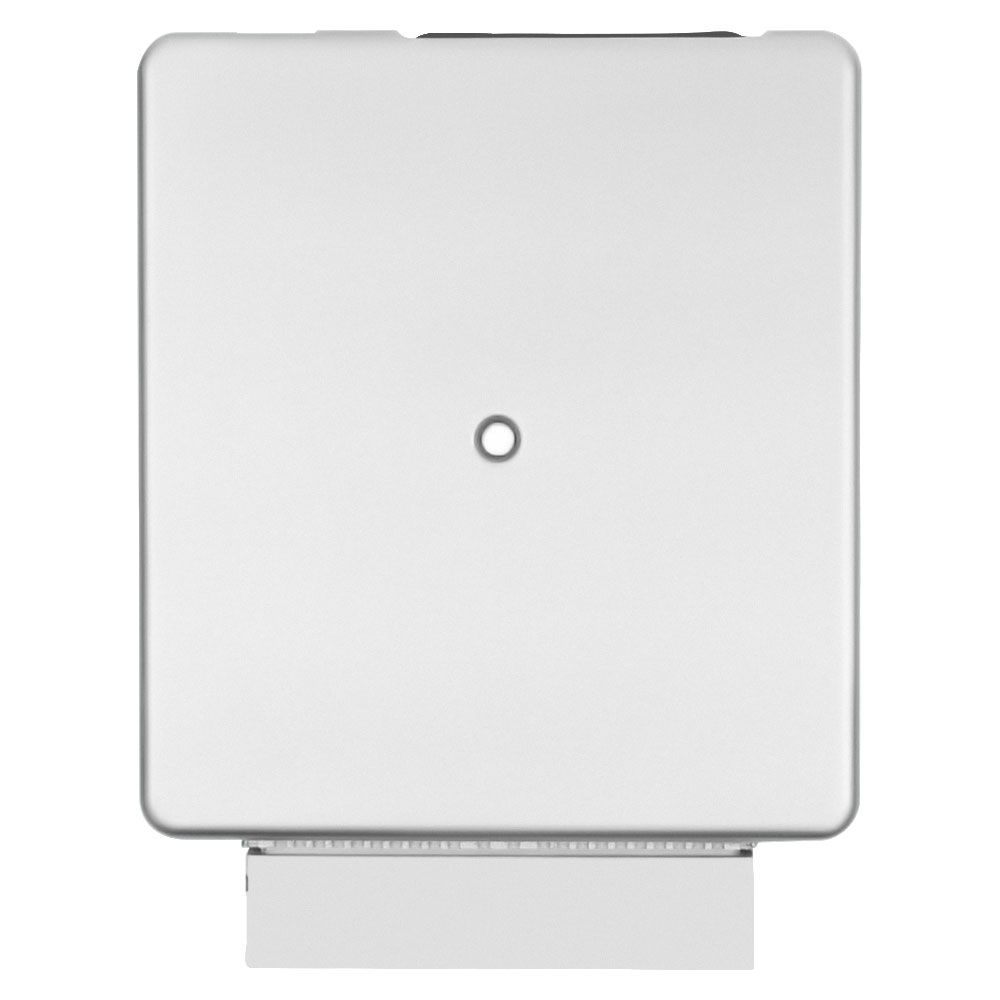
Flagship One stocks a refurbished, VIN-programmed PCM for the 1994 Ford Explorer with a lifetime warranty, free shipping and no core charge. The full Ford Explorer module lineup covers other engine configurations as well.
The Powertrain Control Module in your 1994 Ford Explorer plays a critical role in keeping your engine running smoothly. If you’re experiencing symptoms like stalling, hard starts, or poor performance, a failing PCM may be the cause. Replacing it with a pre-programmed unit ensures a quick and reliable fix, helping you avoid unnecessary downtime. Addressing the issue promptly can save you from more costly repairs down the road.