
Last updated on August 25th, 2026 at 01:38 pm
In the 2000 Ford Explorer the Powertrain Control Module and Engine Control Module manage fuel delivery, ignition timing and transmission shifting. When either unit fails, the vehicle may experience loss of power, erratic shifting, or complete no‑start conditions because the computer can no longer command engine and drivetrain functions correctly.
When a 2000 Ford Explorer begins to exhibit intermittent power loss, rough shifting, or a complete inability to start, the underlying cause often traces back to the vehicle’s electronic control modules. The Powertrain Control Module (PCM) and Engine Control Module (ECM) act as the brain for engine and transmission operations, interpreting sensor data and issuing commands to keep the engine running smoothly. Understanding how these modules function, where they sit, and what labor is involved in their removal and replacement can help you decide whether a repair or a refurbished replacement best fits your needs. This guide walks you through the essential facts, typical labor times, and the programming steps required after a swap, so you can approach the repair with confidence.
The Powertrain Control Module in the 2000 Ford Explorer gathers information from dozens of sensors, calculates the optimal fuel mixture, and coordinates transmission shift points. It also stores diagnostic trouble codes that help pinpoint failures. The Engine Control Module performs a similar role focused on ignition timing, emissions control, and idle stability. Together, they ensure that the engine runs efficiently and that the transmission shifts at the right moments. A malfunction in either unit can cause the engine to stall, misfire, or refuse to start, and may trigger shift‑quality issues that affect drivability. Because the PCM and ECM share many inputs, a fault in one often influences the other, making accurate diagnosis essential. Replacement of these computers typically involves the same access route, and a qualified shop may need to perform a relearn process after installation. For owners seeking a direct swap, replacement powertrain modules for 2000 Explorer provide a drop‑in solution that matches the original specifications.
2000 Ford Explorer
OEM programmed ECM for your 2000 Ford Explorer — plug & play, no dealer visit.
Free shipping · Lifetime warranty
Both the PCM and ECM are located beneath the passenger side dashboard, secured by a handful of bolts and connected to a harness of electrical plugs. Removing the module begins with disconnecting the negative battery terminal to protect the vehicle’s electronics. After the battery is isolated, the fasteners—usually three to four—are loosened using a standard torque wrench, and the wiring connector is released by pressing the locking tab. The unit can then be lifted out of its cradle. Installing a new module follows the reverse order: place the replacement into the cradle, reconnect the harness, and torque the bolts to the manufacturer‑specified value, which is typically noted in the service manual. The labor times listed for this vehicle indicate 0.4 hours for removal and replacement of each module, with an additional 0.5 hours for the PCM relearn and 0.5 hours for the ECM relearn. These figures reflect the straightforward access path and limited bolt count, meaning a competent technician can often complete the swap within a single service window.
Work with the ignition off, and treat the module as static-sensitive: avoid touching the connector pins at any point.
| Operation | Configuration | Book Time |
|---|---|---|
| Powertrain Control Module R&R | All configurations | 0.4 hr |
| Powertrain Control Module Relearn | All configurations | 0.5 hr |
| Engine Control Module Relearn | All configurations | 0.5 hr |
| Engine Control Module R&R | All configurations | 0.4 hr |
After the PCM or ECM is physically installed, the factory procedure calls for a relearn operation to synchronize the new computer with the vehicle’s existing sensors and transmission control logic. The PCM requires a 0.5‑hour relearn cycle, while the ECM also needs a 0.5‑hour procedure, each involving a series of ignition cycles and sensor verifications performed with a scan tool. Flagship One units arrive pre‑configured for the vehicle’s VIN, so the required software steps are already completed. This means that when you install a Flagship One replacement, a VIN-programmed replacement unit eliminates the need for the technician to load calibration files or perform additional coding, reducing the overall shop time and the chance of programming errors.
A failing PCM or ECM in a 2000 Ford Explorer often reveals itself through a combination of no‑start conditions, rough idle, and unexpected stalling during acceleration. Drivers may notice the check engine light flashing, accompanied by diagnostic trouble codes that point to communication loss between the computer and the engine control network. In some cases, the vehicle may exhibit harsh shifting or a failure to engage certain gears, reflecting the PCM’s role in transmission timing. When the ECM is at fault, misfire codes become common, and the engine may run poorly under load. One specific code that can appear is timing error, indicating an internal timing malfunction within the module. These symptoms typically worsen as the module’s internal components degrade, making early detection important to avoid being stranded.
The PCM is accessible under the passenger side dash and requires basic hand tools, but disconnecting the battery and following proper torque specifications is essential. If you are comfortable with electrical work, a DIY swap is possible, though a scan tool is needed for the relearn step.
The relearn requires cycling the ignition on and off while the engine is at idle, allowing the new module to capture sensor baselines. A technician typically uses a scan tool to confirm that all parameters have been captured correctly.
Labor estimates list 0.4 hours for removal and installation, plus an additional 0.5 hours for the ECM relearn, so a qualified shop generally completes the work within a standard service appointment.
Refurbished units that have been tested and programmed to match the vehicle’s VIN can perform identically to new modules, provided they have passed the supplier’s quality checks and are installed correctly.
Ignoring a timing error code can lead to progressive engine performance loss, increased emissions, and potential damage to internal components if the module continues to send incorrect timing signals.
When the PCM or ECM in your 2000 Ford Explorer needs attention, you can choose between a brand‑new factory‑spec unit or a professionally refurbished replacement. Both options restore the vehicle’s electronic control functions, but a refurbished module from Flagship One may offer a cost‑effective solution while still meeting original equipment standards. Consider your budget, warranty preferences, and the availability of a VIN‑programmed unit when deciding which path best fits your repair plan.
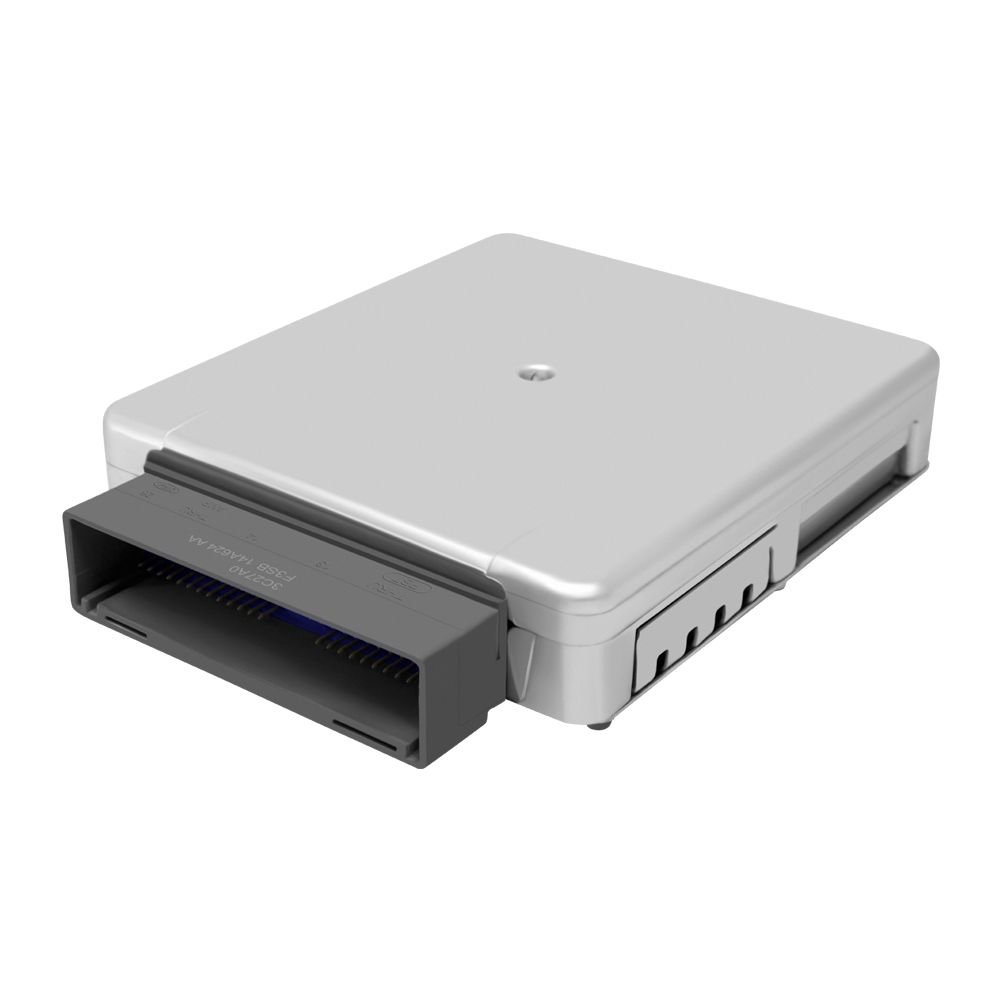
Flagship One stocks a refurbished, VIN-programmed PCM for the 2000 Ford Explorer with a lifetime warranty, free shipping and no core charge. The full Ford Explorer module lineup covers other engine configurations as well.
Replacing a faulty PCM or ECM in a 2000 Ford Explorer can return your vehicle to reliable operation. Whether you select a new or refurbished module, ensure the relearn steps are completed so the engine and transmission communicate correctly. Contact a qualified technician to evaluate your options and keep your Explorer running smoothly.