
Last updated on August 25th, 2026 at 01:39 pm
The powertrain control module (PCM) in your 1995 Ford Explorer manages fuel, ignition, and transmission functions. A faulty PCM may cause stalling, poor acceleration, or transmission shifting issues, often without warning.
If your 1995 Ford Explorer is experiencing unexplained stalling, rough idling, or transmission hesitation, the powertrain control module (PCM) may be the culprit. This critical component oversees engine and transmission performance, and its failure can lead to a range of drivability issues. Understanding the PCM’s role, location, and replacement process helps you make informed decisions about repairs. Whether you’re diagnosing symptoms or preparing for a replacement, knowing the steps involved ensures a smoother experience and avoids unnecessary delays.
The powertrain control module in your 1995 Ford Explorer acts as the brain for both the engine and transmission. It processes data from sensors to adjust fuel delivery, ignition timing, and shift points, ensuring optimal performance. A malfunctioning PCM may disrupt these functions, leading to poor acceleration, stalling, or erratic shifting. Since this vehicle predates OBD-II, diagnosing issues relies more on symptoms than trouble codes. When replacement becomes necessary, replacement engine computers for the Explorer are designed to restore factory-level operation without extensive reprogramming hassles.
1995 Ford Explorer
OEM programmed ECM for your 1995 Ford Explorer — plug & play, no dealer visit.
Free shipping · Lifetime warranty
In the 1995 Ford Explorer, the PCM is mounted in the engine compartment, making access straightforward for replacement. The labor time for removing and reinstalling the module is typically 0.4 hours. After installation, a relearn procedure may be required, which can take an additional 0.5 hours. This process ensures the module adapts to your vehicle’s specific operating conditions, though no special tools are needed beyond basic hand tools for the job.
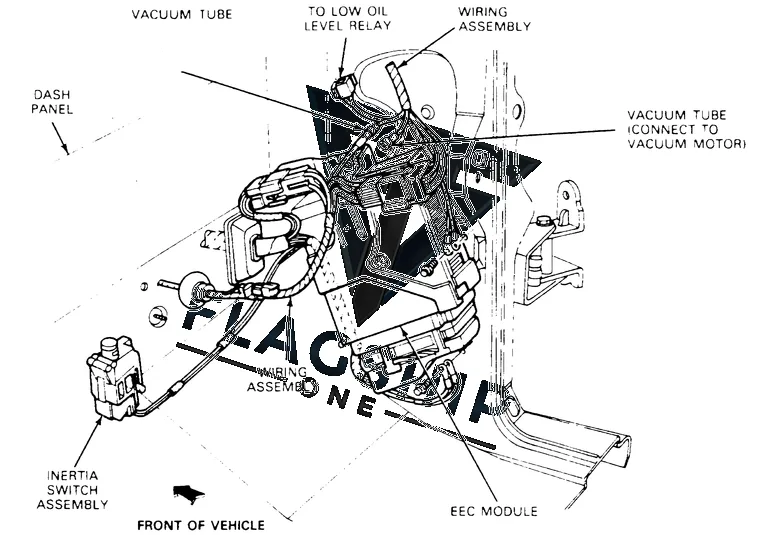
Work with the ignition off, and treat the module as static-sensitive: avoid touching the connector pins at any point.
| Operation | Configuration | Book Time |
|---|---|---|
| Powertrain Control Module R&R | All configurations | 0.4 hr |
| Powertrain Control Module Relearn | All configurations | 0.5 hr |
| Engine Control Module Relearn | All configurations | 0.5 hr |
| Engine Control Module R&R | All configurations | 0.4 hr |
After replacing the PCM in your 1995 Ford Explorer, the vehicle may need to be driven up to 16 km (10 miles) to complete the adaptive strategy relearn. This step helps the module recalibrate to your driving habits and conditions. However, a VIN-programmed replacement unit from Flagship One arrives ready to install, eliminating the need for additional programming or extended test drives. Simply swap the old module for the new one and drive as usual.
A failing PCM in your 1995 Ford Explorer may cause symptoms like stalling, especially during deceleration or after a cold start. You might also notice hesitation under acceleration or irregular transmission shifting. In some cases, the engine may crank but fail to start, or the vehicle could exhibit poor fuel economy. If the module loses communication with the scan tool, it may indicate internal failure. While no specific codes apply to this pre-OBD-II model, issues like stalling on deceleration have been documented in related service bulletins.
| Bulletin | Subject | What It Addresses |
|---|---|---|
| 96-21-09 | 4.0L – 4.0L MANUAL TRANSMISSION VEHICLES ONLY – ENGINE – MAY HAVE MIL CODE P1506 STORED IN MEMO | — |
| 96-04-14 | “KNOCK” ON HEAVY ACCELERATION DURING FIRST KILOMETER/MILE OF OPERATION AFTER COLD START – 4.0L | — |
| 98-05-16 | 4R44E/4R55E – O/D OFF LAMP FLASHING AND/OR DIAGNOSTIC TROUBLE CODES (DTCS) 645, 646, 647, 648 S | — |
Common signs include stalling, hesitation, or no-start conditions. Since this vehicle lacks OBD-II, diagnosis relies on symptom patterns rather than trouble codes. If the engine cranks but won’t start or stalls unpredictably, the PCM may be at fault.
Replacement is straightforward if you’re comfortable with basic tools. The module is located in the engine compartment, and labor time is minimal. However, ensure the battery is disconnected before starting to avoid electrical issues.
If the PCM is the root cause, a replacement may resolve shifting issues. However, transmission problems can also stem from mechanical or hydraulic faults. A thorough diagnosis is recommended before assuming the PCM is at fault.
If your 1995 Ford Explorer is showing signs of PCM failure, you have options. A repair may address minor issues, but a refurbished replacement unit offers a reliable, long-term solution. Flagship One provides VIN-programmed modules designed to restore your vehicle’s performance without the need for additional programming or extended test drives.
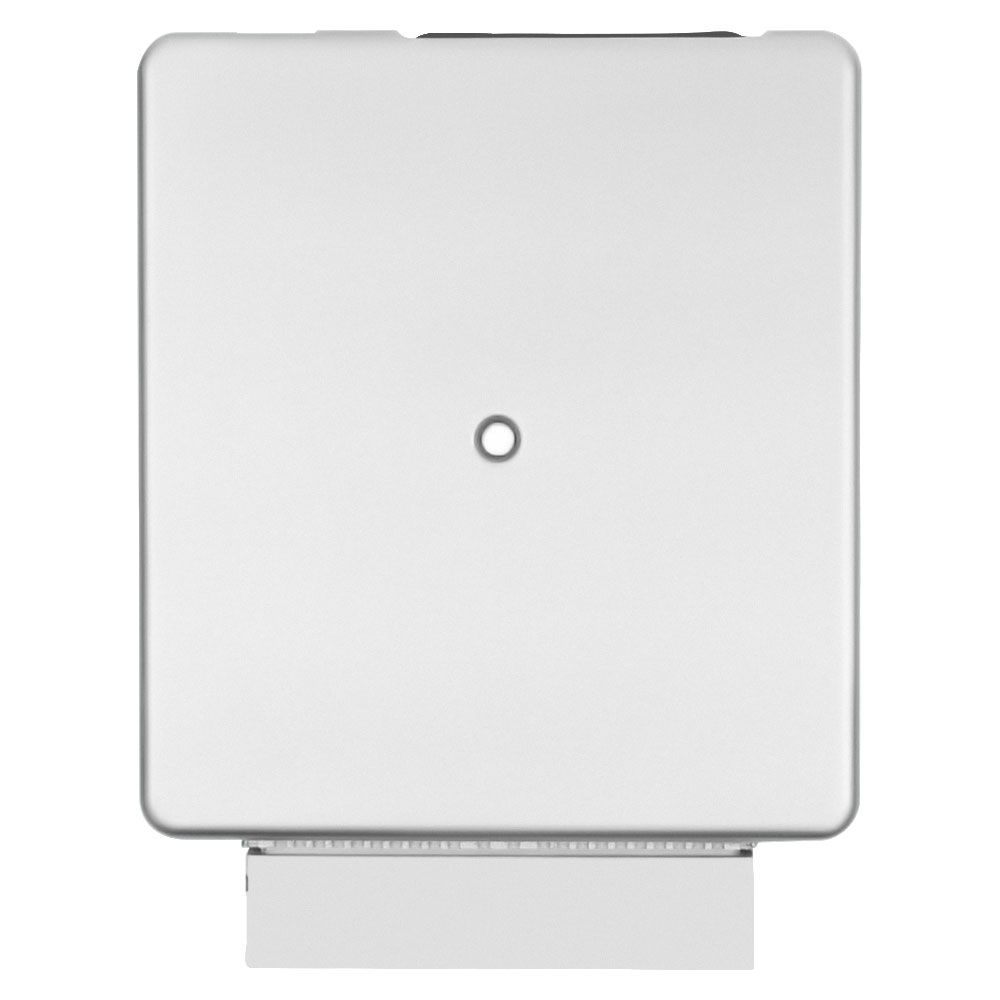
Flagship One stocks a refurbished, VIN-programmed PCM for the 1995 Ford Explorer with a lifetime warranty, free shipping and no core charge. The full Ford Explorer module lineup covers other engine configurations as well.
The 1995 Ford Explorer relies on its PCM to manage critical engine and transmission functions. If you’re experiencing stalling, hesitation, or shifting problems, a failing module may be the cause. Addressing the issue promptly with a quality replacement ensures your SUV runs smoothly for years to come.