
Last updated on August 25th, 2026 at 01:39 pm
The Powertrain Control Module (PCM) in your 1996 Ford Ranger 2.3L acts as the engine and transmission’s central computer. When it fails, you may experience erratic idling, poor fuel economy, or complete engine shutdowns due to lost sensor communication or corrupted memory.
If your 1996 Ford Ranger 2.3L has started stalling at stoplights, misfiring under load, or refusing to start altogether, the Powertrain Control Module (PCM) may be the culprit. This small but critical computer oversees everything from fuel delivery to spark timing, and when it malfunctions, your truck’s drivability suffers. Replacing the PCM isn’t just about swapping a part—it involves precise installation and a mandatory relearn process to ensure the engine runs smoothly. Understanding these steps helps you avoid unnecessary shop time and ensures your Ranger returns to reliable operation. Whether you’re diagnosing a no-start condition or addressing persistent misfires, knowing how the PCM functions and what to expect during replacement can save you frustration and expense.
In your 1996 Ford Ranger 2.3L, the Powertrain Control Module (PCM) serves as the brain of the engine and transmission, processing data from sensors to optimize performance. It controls fuel injection timing, ignition spark advance, and transmission shift points, ensuring the engine runs efficiently under all conditions. Without a functioning PCM, your Ranger may struggle to start, idle roughly, or fail to accelerate properly. The module also monitors emissions systems, which is why a failing PCM often triggers the check engine light. Over time, heat, vibration, or voltage spikes can corrupt its memory or damage internal circuits, leading to erratic behavior. When replacement becomes necessary, opting for replacement engine computers for the Ranger ensures compatibility and avoids the hassle of manual reprogramming, as these units are pre-configured for your vehicle’s VIN.
1996 Ford Ranger
OEM programmed ECM for your 1996 Ford Ranger — plug & play, no dealer visit.
Free shipping · Lifetime warranty
The PCM in your 1996 Ford Ranger 2.3L is located inside the passenger-side footwell, mounted to the firewall behind the kick panel. Accessing it requires removing the lower dashboard trim and unbolting the module’s bracket. The factory labor guide allocates 0.6 hours for removal and reinstallation, which includes disconnecting the wiring harness, transferring any necessary components, and securing the new unit. While the physical swap is straightforward, proper reinstallation is critical—loose connections or misaligned pins can cause communication errors or intermittent failures. Once installed, the module must be relearned to the vehicle’s systems, a process that adds another 0.5 hours of labor if performed manually. Torque specifications for the mounting bolts are typically included in the service manual, though exact values aren’t always provided in quick-reference guides.
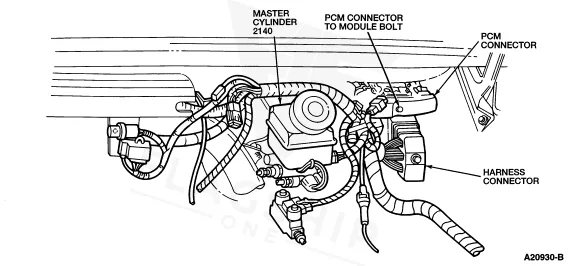
Work with the ignition off, and treat the module as static-sensitive: avoid touching the connector pins at any point.
| Operation | Configuration | Book Time |
|---|---|---|
| Powertrain Control Module R&R | All configurations | 0.6 hr |
| Powertrain Control Module Relearn | All configurations | 0.5 hr |
| Engine Control Module Relearn | All configurations | 0.5 hr |
| Engine Control Module R&R | All configurations | 0.6 hr |
After replacing the PCM in your 1996 Ford Ranger 2.3L, the factory procedure requires a relearn process to synchronize the module with the engine and transmission. This involves a 0.5-hour labor step where the technician drives the vehicle under specific conditions to allow the PCM to adapt to fuel trims, idle settings, and shift patterns. Without this step, your Ranger may experience poor throttle response, rough idling, or erratic shifting. However, a VIN-programmed replacement unit arrives pre-configured with your vehicle’s calibration data, eliminating the need for on-vehicle reprogramming. This not only saves time but also reduces the risk of incomplete adaptation, ensuring your truck performs as intended right after installation. The drive cycle is still recommended to fine-tune performance, but the initial relearn is already handled.
A failing PCM in your 1996 Ford Ranger 2.3L often announces itself through a range of drivability issues. You may notice the engine stalling at idle, especially when coming to a stop, or misfiring under acceleration, which feels like a hesitation or jerking motion. The check engine light is almost always illuminated, and a scan tool may reveal codes like random cylinder misfires or P0301-P0308, indicating specific cylinder misfires. In some cases, the engine may crank but fail to start, as the PCM isn’t sending the correct signals to the fuel injectors or ignition coils. Poor fuel economy and rough idling are also common, as the PCM struggles to maintain the correct air-fuel mixture. If your Ranger’s transmission shifts harshly or erratically, the PCM’s control over shift solenoids may be compromised. Dead scan tool communication—where the tool fails to connect to the PCM at all—is another red flag, often pointing to internal module failure.
Ford issued several service bulletins addressing PCM-related issues in the 1996 Ranger 2.3L. TSB 97-09-08 outlines procedures for reprogramming the PCM to resolve driveability concerns, while TSB 99-04-03 focuses on out-of-vehicle reprogramming for EEC V vehicles. Another bulletin, TSB 97-08-06, addresses misfire codes (P0300-P0308) that may illuminate the check engine light. These bulletins highlight the importance of keeping the PCM updated and properly calibrated to avoid persistent issues. If your Ranger exhibits misfires or stalling, reviewing these bulletins may provide insight into whether a software update or module replacement is needed.
| Bulletin | Subject | What It Addresses |
|---|---|---|
| 97-09-08 | POWERTRAIN CONTROL MODULE – REPROGRAM POWERTRAIN CONTROL MODULE (PCM) – SERVICE PROCEDURES – SE | — |
| 99-04-03 | EEC V VEHICLES ONLY – OUT-OF-VEHICLE – REPROGRAMMING POWERTRAIN CONTROL MODULES (PCMS) | — |
| 97-08-06 | DIAGNOSTIC TROUBLE CODES (DTCS) P0300, P0301, P0302, P0303, P0304, P0305, P0306, P0307, AND/OR | — |
Disconnecting the battery resets the PCM’s learned values, including idle and fuel trim settings. Until the module relearns these parameters during a drive cycle, the engine may idle erratically or stall. A VIN-programmed replacement unit avoids this issue by retaining the correct calibration data.
The physical replacement is straightforward if you’re comfortable removing dashboard trim and disconnecting wiring harnesses. However, the relearn process requires a scan tool and a drive cycle, which may be easier to handle at a shop. A pre-programmed unit simplifies the process significantly.
A scan tool can help distinguish between the two. If the PCM isn’t communicating with the tool at all, the module itself is likely faulty. If codes point to sensor failures but the PCM is responsive, the issue may lie elsewhere. Persistent misfires or stalling often indicate a deeper PCM problem.
A used PCM may work, but it will require reprogramming to match your vehicle’s VIN and calibration data. Without this step, the engine may run poorly or not at all. A new or remanufactured unit programmed for your VIN is a more reliable option.
In your 1996 Ford Ranger 2.3L, the terms PCM (Powertrain Control Module) and ECM (Engine Control Module) are often used interchangeably, but the PCM also controls the transmission. The module manages both engine and drivetrain functions, so a failure affects multiple systems.
If your 1996 Ford Ranger 2.3L is showing signs of PCM failure, you have two main options: repair or replacement. While some shops may attempt to reflash or repair the existing module, this approach doesn’t always address underlying hardware issues. A remanufactured or new replacement unit, pre-programmed for your VIN, ensures compatibility and eliminates the need for lengthy relearn procedures. Given the labor costs associated with manual reprogramming, investing in a ready-to-install unit can save time and hassle, getting your Ranger back on the road faster.
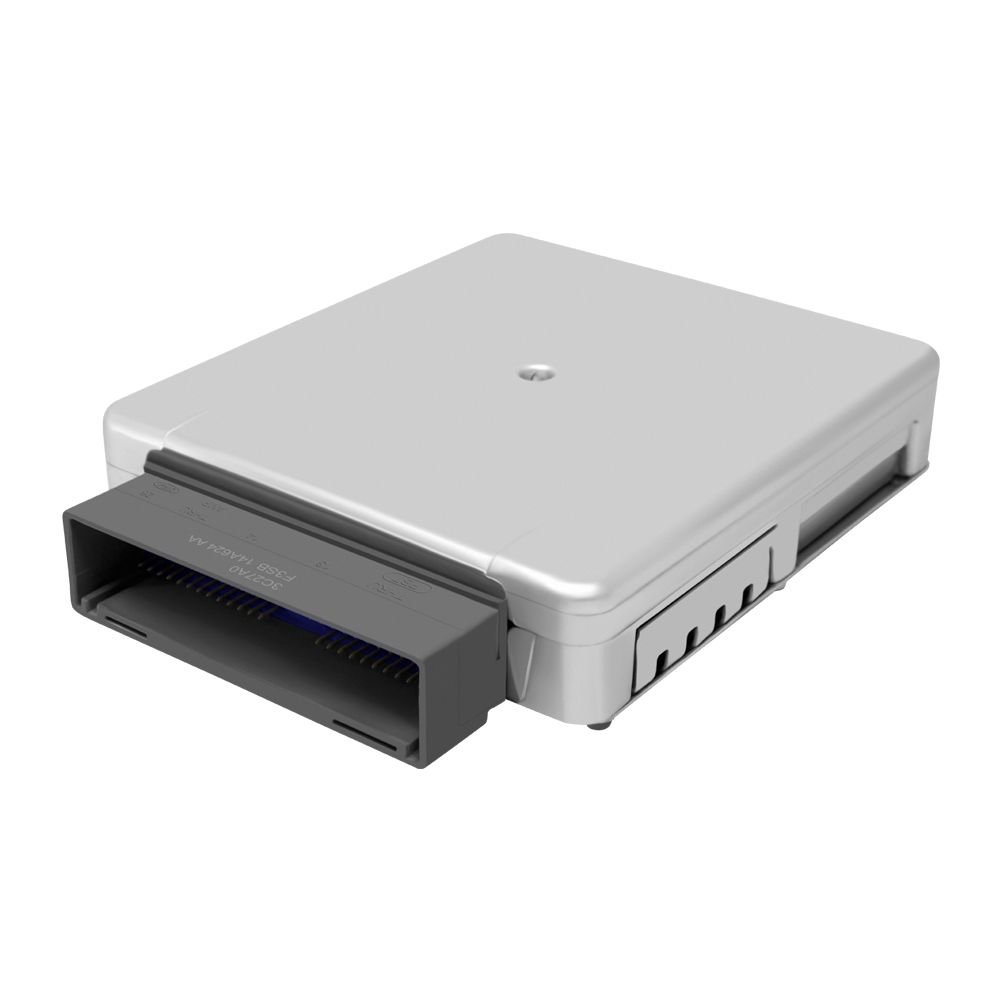
Flagship One stocks a refurbished, VIN-programmed PCM for the 1996 Ford Ranger with a lifetime warranty, free shipping and no core charge. The full Ford Ranger module lineup covers other engine configurations as well.
The PCM in your 1996 Ford Ranger 2.3L plays a critical role in keeping your engine running smoothly. When it fails, symptoms like stalling, misfires, or a no-start condition can leave you stranded. Replacing the module is a straightforward process, but the relearn procedure adds complexity—unless you opt for a VIN-programmed unit. By understanding the signs of failure and the steps involved in replacement, you can make an informed decision and restore your Ranger’s reliability. Whether you tackle the job yourself or leave it to a shop, addressing PCM issues promptly ensures your truck remains dependable for years to come.