
Last updated on August 25th, 2026 at 01:39 pm
The Powertrain Control Module (PCM) in your 1994 Ford Ranger manages fuel delivery, ignition timing, and emissions controls. A failing PCM may cause erratic engine behavior, stalling, or a no-start condition, often without warning.
If your 1994 Ford Ranger is experiencing unexplained stalling, rough idling, or a no-start condition, the Powertrain Control Module (PCM) may be the culprit. This small but critical computer manages everything from fuel delivery to ignition timing, and when it fails, your vehicle’s performance can suffer. Replacing the PCM isn’t just about swapping a part—it involves proper installation, programming, and a relearn process to ensure everything runs smoothly. Understanding these steps helps you avoid unnecessary delays and ensures your Ranger gets back on the road reliably.
The Powertrain Control Module (PCM) in your 1994 Ford Ranger acts as the brain of the engine, coordinating fuel injection, ignition timing, and emissions controls. Without it, your vehicle may run poorly or not at all. Over time, heat, vibration, or electrical issues can degrade its performance, leading to symptoms like stalling or rough idling. When replacement becomes necessary, you’ll need replacement engine computers for the Ranger that are pre-programmed to match your vehicle’s specifications, ensuring a seamless installation and immediate functionality.
1994 Ford Ranger 2.3L: When the
OEM programmed replacements — plug & play, no dealer visit.
Find yours by year, make & model →
Free shipping · Lifetime warranty
The PCM in your 1994 Ford Ranger is typically located near the engine bay, often mounted on the firewall or inner fender. Replacing it involves disconnecting the battery, removing the electrical connectors, and unbolting the module. The labor time for removal and reinstallation is 0.6 hours. After installation, a relearn procedure is required, which may take an additional 0.5 hours. This step ensures the new module synchronizes with your vehicle’s sensors and systems, restoring proper operation.
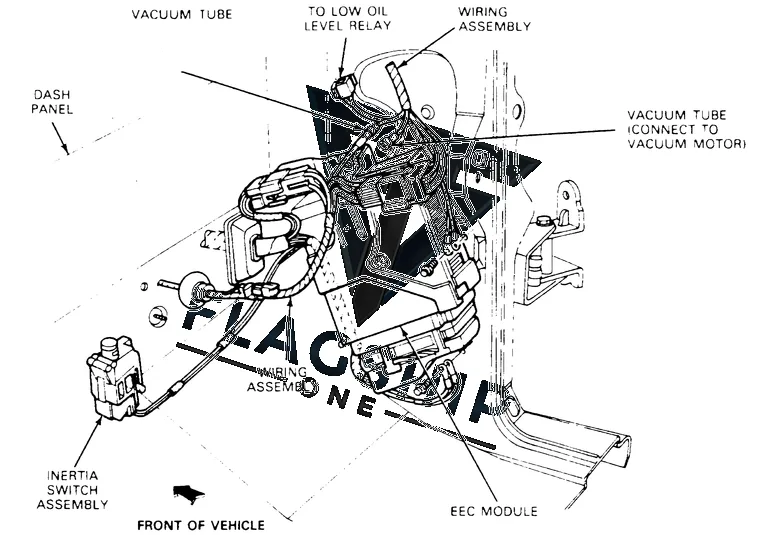
Work with the ignition off, and treat the module as static-sensitive: avoid touching the connector pins at any point.
| Operation | Configuration | Book Time |
|---|---|---|
| Powertrain Control Module R&R | All configurations | 0.6 hr |
| Powertrain Control Module Relearn | All configurations | 0.5 hr |
| Engine Control Module Relearn | All configurations | 0.5 hr |
| Engine Control Module R&R | All configurations | 0.6 hr |
After replacing the PCM in your 1994 Ford Ranger, the factory procedure requires a relearn process to adapt the module to your vehicle’s specific conditions. This may involve driving the vehicle for 10 miles or more to allow the system to relearn its adaptive strategy. However, if you install a VIN-programmed replacement unit, these steps are already completed, saving you time and ensuring the module is ready to perform as soon as it’s installed.
A failing PCM in your 1994 Ford Ranger may cause a range of issues, including intermittent stalling, rough idling, or a complete no-start condition. You might also notice poor fuel economy, erratic shifting (if equipped with an automatic transmission), or the engine running too rich or too lean. In some cases, the vehicle may exhibit a lack of response from the scan tool, indicating a communication failure. If the module’s internal memory is corrupted, it could trigger symptoms similar to an internal control module memory check error.
Ford issued several service bulletins for the 1994 Ranger’s 2.3L engine that address PCM-related issues. TSB 95-10-02 covers a malfunction indicator lamp (MIL) illuminated due to problems with the distributorless ignition system (DIS), including revised connector retention clips and wiring. TSB 95-20-09 addresses spark knock during cruising or acceleration at higher ambient temperatures, specifically for vehicles with the 4-49T-R00 calibration and manual transmission (excluding those with a 4.10 axle). Another bulletin, 95-07-14, discusses rough idle or stalling after a cold start in certain ambient temperatures, though this applies to 3.0L engines with automatic transmissions.
| Bulletin | Subject | What It Addresses |
|---|---|---|
| 95-10-02 | “MALFUNCTION INDICATOR LAMP” (MIL) ILLUMINATED – DISTRIBUTORLESS IGNITION SYSTEM (DIS) ONLY – I | — |
| 95-20-09 | 2.3L ENGINE – DETONATION WHILE CRUISING OR ACCELERATING AT HIGHWAY SPEEDS WHEN AMBIENT TEMPERAT | — |
| 95-07-14 | 49S CALIBRATION FOR 1993, 49S/CAL CALIBRATION FOR 1994 – AFTER COLD START DURING FIRST MINUTE O | — |
Stalling after a PCM replacement often occurs because the module needs to relearn the vehicle’s adaptive strategy. This process may require driving the vehicle for 10 miles or more. If the PCM wasn’t properly programmed or the relearn procedure wasn’t completed, the engine may run poorly until the system adapts.
Driving with a failing PCM is risky, as it can lead to unpredictable engine behavior, stalling, or even a no-start condition. If the module is intermittently failing, you may experience sudden loss of power, which could be dangerous. It’s best to address the issue as soon as symptoms appear.
If your Ranger exhibits symptoms like stalling, rough idling, or a no-start condition, the PCM may need replacement. However, if the issue is related to corrupted memory or adaptive strategy, a reprogramming or relearn procedure might resolve it. A diagnostic scan can help determine whether the module itself is faulty or if it simply needs to be reset.
If your 1994 Ford Ranger is showing signs of a failing PCM, you have options. A repair shop can attempt to diagnose and reprogram the existing module, but if replacement is necessary, a pre-programmed unit ensures a quicker, more reliable fix. Given the age of these vehicles, a refurbished or remanufactured PCM is often the most cost-effective solution, restoring your Ranger’s performance without the hassle of additional programming steps.
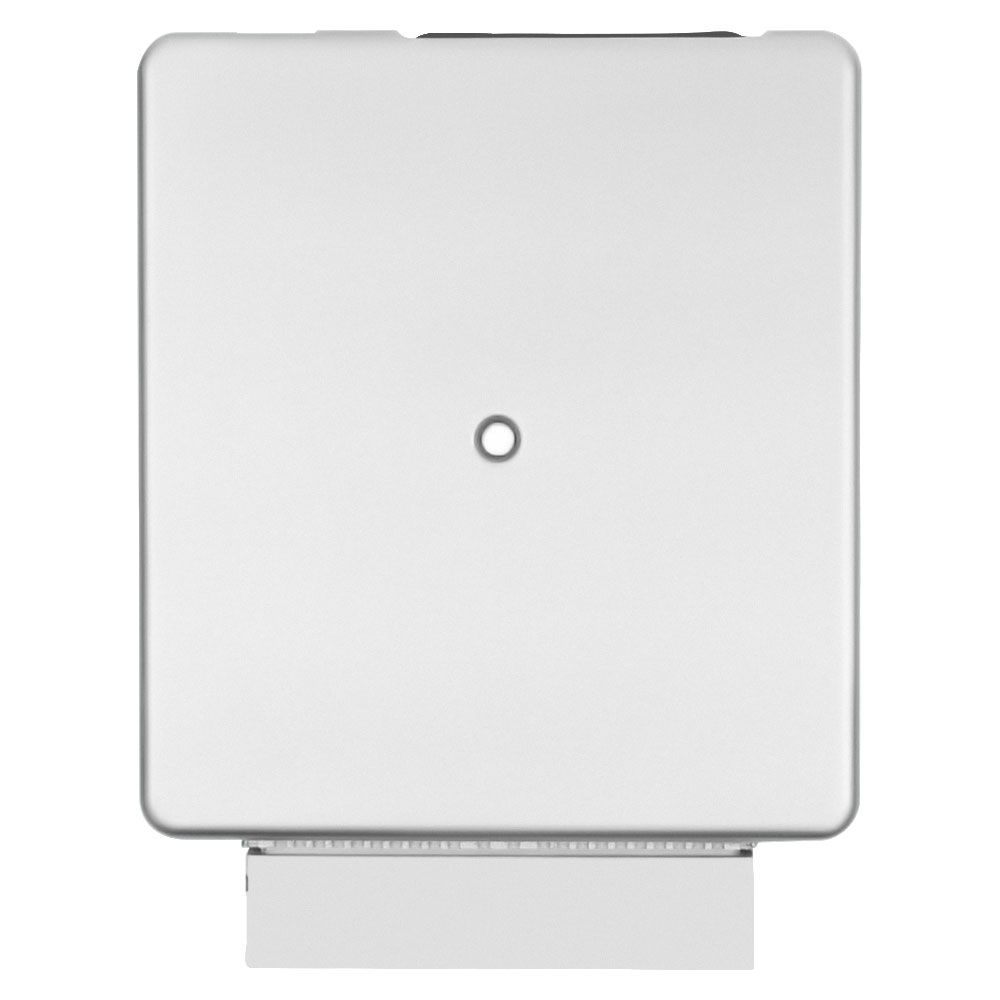
Flagship One stocks a refurbished, VIN-programmed PCM for the 1994 Ford Ranger with a lifetime warranty, free shipping and no core charge. The full Ford Ranger module lineup covers other engine configurations as well.
The PCM in your 1994 Ford Ranger plays a vital role in keeping your engine running smoothly. If you’re experiencing stalling, rough idling, or other performance issues, it may be time to consider a replacement. With the right module and proper installation, your Ranger can regain its reliability and get you back on the road with confidence.