
Last updated on August 25th, 2026 at 01:40 pm
The engine control module in your 1993 Ford Ranger manages ignition timing, fuel delivery, and emissions systems. Failure may cause stalling, hard starts, or a non-running engine, often due to internal wear or electrical issues.
If your 1993 Ford Ranger is experiencing unexplained stalling, hard starts, or a complete no-crank condition, the engine control module may be the culprit. This small but critical component oversees ignition timing, fuel delivery, and emissions controls. When it fails, your vehicle may run poorly or not at all. Understanding how this module functions, where it’s located, and what replacement involves can help you make informed decisions. You’ll also learn why choosing a pre-programmed unit can simplify the process and get you back on the road faster.
In your 1993 Ford Ranger, the engine control module acts as the brain of the engine management system. It processes inputs from sensors to adjust ignition timing, fuel injection, and idle speed, ensuring optimal performance and emissions compliance. Without it, the engine may misfire, stall, or refuse to start. Over time, internal components can degrade, leading to erratic behavior or complete failure. If replacement becomes necessary, replacement engine computers for the Ranger are available to restore proper function without the need for extensive troubleshooting.
1993 Ford Ranger 2.3L: When the
OEM programmed replacements — plug & play, no dealer visit.
Find yours by year, make & model →
Free shipping · Lifetime warranty
The engine control module in your 1993 Ford Ranger is typically mounted on the passenger-side inner fender or firewall. Accessing it requires removing the air cleaner assembly and possibly the battery tray for clearance. Replacement involves disconnecting the wiring harness, unbolting the module, and installing the new unit. The factory labor time for removal and reinstallation is 0.6 hours. No special tools are required, but ensuring the connector is clean and properly seated is critical to avoid future issues.
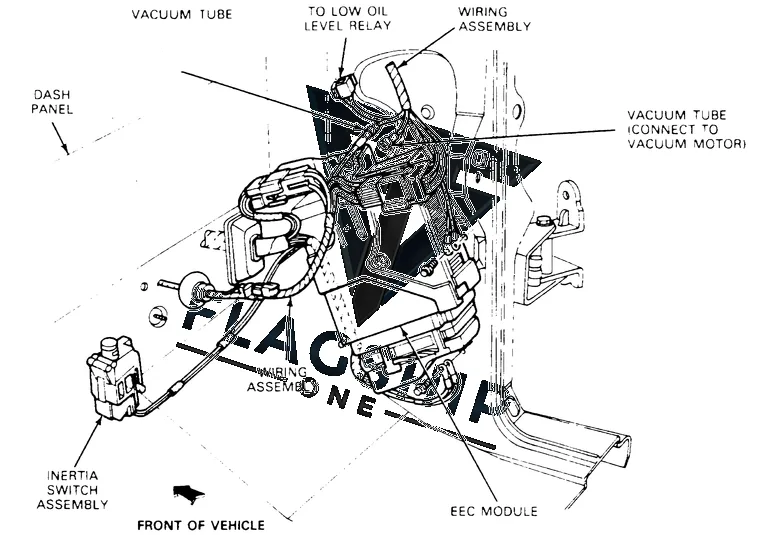
Work with the ignition off, and treat the module as static-sensitive: avoid touching the connector pins at any point.
| Operation | Configuration | Book Time |
|---|---|---|
| Powertrain Control Module R&R | All configurations | 0.6 hr |
| Powertrain Control Module Relearn | All configurations | 0.5 hr |
| Engine Control Module Relearn | All configurations | 0.5 hr |
| Engine Control Module R&R | All configurations | 0.6 hr |
After installing a new engine control module in your 1993 Ford Ranger, the factory procedure requires a relearn process, which takes 0.5 hours. This step ensures the module synchronizes with the vehicle’s sensors and systems. However, a VIN-programmed replacement unit from Flagship One arrives ready to install, eliminating the need for additional programming or relearn steps. This saves time and reduces the risk of calibration errors during the repair.
When the engine control module in your 1993 Ford Ranger begins to fail, you may notice symptoms like intermittent stalling, rough idling, or a no-start condition. The vehicle might also hesitate under acceleration or exhibit poor fuel economy. In some cases, the malfunction indicator lamp may illuminate, though this isn’t guaranteed. If the module loses communication with the ignition system, you could experience misfires or a complete loss of spark. Addressing these issues promptly can prevent further drivability problems.
Ford issued service bulletin #95-10-02 addressing issues with the malfunction indicator lamp illuminating in 1993 Rangers equipped with the distributorless ignition system. The bulletin highlights revised connector retention clips and seals for the ignition control module, as well as updated wiring procedures. These changes aim to improve electrical connections and reduce the likelihood of false MIL activations or ignition-related faults.
| Bulletin | Subject | What It Addresses |
|---|---|---|
| 95-10-02 | “MALFUNCTION INDICATOR LAMP” (MIL) ILLUMINATED – DISTRIBUTORLESS IGNITION SYSTEM (DIS) ONLY – I | — |
Intermittent stalling in your Ranger may stem from a failing engine control module, especially if the issue occurs without warning. The module regulates ignition and fuel delivery, so degradation can lead to inconsistent performance. Other potential causes include faulty sensors or wiring, but the module is a common point of failure.
Signs of a failing module include a no-start condition, rough idling, or stalling. If the vehicle runs poorly despite no obvious mechanical issues, the module may be at fault. A professional diagnosis can confirm whether replacement is necessary, as symptoms can overlap with other ignition or fuel system problems.
Replacement is straightforward if you’re comfortable with basic automotive repairs. The module is accessible after removing the air cleaner and battery tray. However, ensure the new unit is compatible and pre-programmed to your VIN to avoid additional setup steps. If you’re unsure, a professional mechanic can complete the job efficiently.
If your 1993 Ford Ranger is exhibiting signs of engine control module failure, replacement is often the most reliable solution. While a new module from the dealer may require additional programming, a pre-programmed unit eliminates this step, saving time and reducing complexity. Whether you opt for a refurbished or new replacement, ensuring compatibility with your vehicle’s VIN is key to a smooth repair.
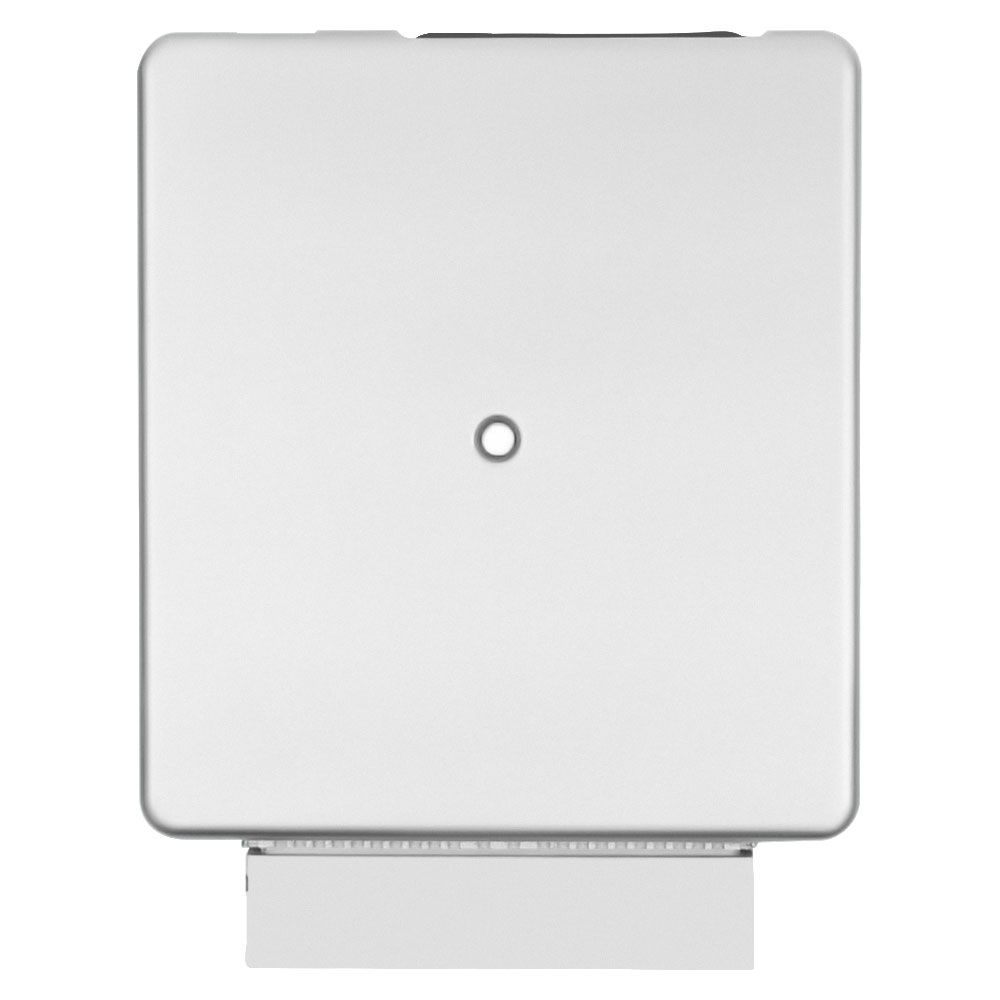
Flagship One stocks a refurbished, VIN-programmed PCM for the 1993 Ford Ranger with a lifetime warranty, free shipping and no core charge. The full Ford Ranger module lineup covers other engine configurations as well.
The engine control module in your 1993 Ford Ranger plays a vital role in maintaining smooth operation. If you’re experiencing stalling, hard starts, or other drivability issues, replacement may be necessary. Choosing a pre-programmed unit can simplify the process, getting you back on the road with minimal downtime.