
Last updated on August 25th, 2026 at 01:39 pm
The Powertrain Control Module on your 1995 Ford Taurus 3.0L is the central computer managing engine fuel delivery, ignition timing, and transaxle shift logic. When this unit fails, your vehicle may exhibit hard-starting, stalling, or transmission shifting abnormalities.
The Powertrain Control Module in your 1995 Ford Taurus 3.0L is the brain managing both engine and transaxle operations. When this unit fails, your vehicle may not start, run poorly, or display transmission shifting problems. This guide explains what the module does, where it’s located, what replacement involves, and why proper part selection matters for this specific application. You’ll learn the factory procedure for post-install setup and understand how Flagship One’s programming service handles those requirements before the unit arrives at your door.
1995 Ford Taurus
OEM programmed ECM for your 1995 Ford Taurus — plug & play, no dealer visit.
Free shipping · Lifetime warranty
The Powertrain Control Module in your 1995 Ford Taurus 3.0L serves as the central computer governing engine combustion and transaxle shift scheduling. Unlike earlier systems that used separate processors, this integrated module receives input from multiple sensors—including coolant temperature, throttle position, and vehicle speed—then adjusts fuel injector pulse width, ignition dwell, and shift solenoid activation in real time. This unit also monitors for fault conditions and can store internal diagnostic information. Because it controls both powertrain halves, a failing PCM often produces symptoms that seem unrelated: a rough-idle complaint may actually stem from the transaxle control portion of the module. Replacement requires a replacement engine computers for the Taurus that matches your specific transaxle application.
The Powertrain Control Module on the 1995 Ford Taurus 3.0L is located in the passenger compartment, typically behind the right side kick panel or under the passenger seat—access requires removing interior trim panels. The R&R book time is 0.4 hours, with an additional 0.5 hour allocated for the relearn procedure after installation. Replacement involves disconnecting the negative battery cable, unplugging the module electrical connector, removing mounting hardware, and reversing the procedure with the new unit. Always ensure the ignition switch is OFF before disconnecting power to the module to prevent permanent damage. After securing the new module, reconnect all connectors and the battery negative terminal.
| Operation | Configuration | Book Time |
|---|---|---|
| Powertrain Control Module R&R | All configurations | 0.4 hr |
| Powertrain Control Module Relearn | All configurations | 0.5 hr |
| Engine Control Module R&R | All configurations | 0.9 hr |
After installing a replacement PCM on your 1995 Ford Taurus 3.0L, the factory procedure requires performing a relearn procedure to calibrate the new module to your vehicle’s unique characteristics. This takes approximately 0.5 hours of labor. Additionally, the replacement unit must be programmed with your vehicle’s specific VIN and configuration data. Flagship One units arrive as a VIN-programmed replacement unit, meaning those programming steps are already completed before the module reaches you—saving you dealer programming fees and downtime.
When the Powertrain Control Module fails on a 1995 Ford Taurus 3.0L, symptoms often appear as starting difficulties or no-start conditions where the engine cranks but refuses to run. You may experience intermittent stalling, particularly at idle or under light load. Some owners report hesitation during acceleration or a feeling of reduced power. Transmission shifting may become harsh, delayed, or erratic—the module controls shift points, so internal faults affect that function. In cases of complete module failure, scan tools may be unable to communicate with the vehicle at all. Addressing these symptoms promptly prevents being stranded and may protect other components from secondary damage.
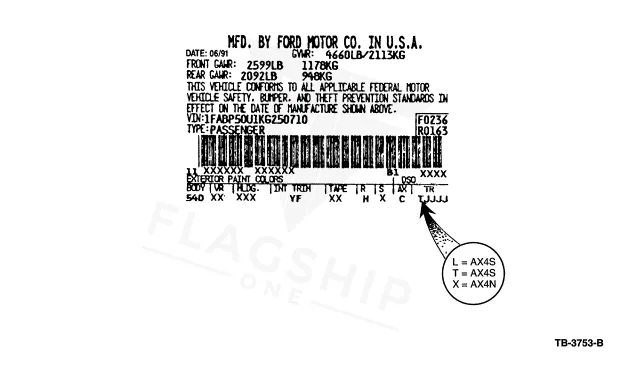
Only if the donor vehicle has the exact same engine and transaxle combination. The AX4N and AX4S transaxles require different PCM calibrations, and installing the wrong unit will cause either transaxle damage or erratic operation.
The vehicle will likely start, but you should expect to perform a relearn procedure for optimal operation. Without this calibration, you may experience slightly rough idle or delayed throttle response until the module adapts.
Not when purchasing from Flagship One. Their units arrive VIN-programmed with your specific vehicle data, eliminating the dealer programming step entirely.
When your 1995 Ford Taurus 3.0L needs a replacement PCM, you have two primary paths: repair of the existing module or purchase of a refurbished unit. Given the integrated nature of this system and the transaxle matching requirements, a pre-programmed replacement is often the most practical solution. Flagship One specializes in these specific applications and ships the unit ready for installation.
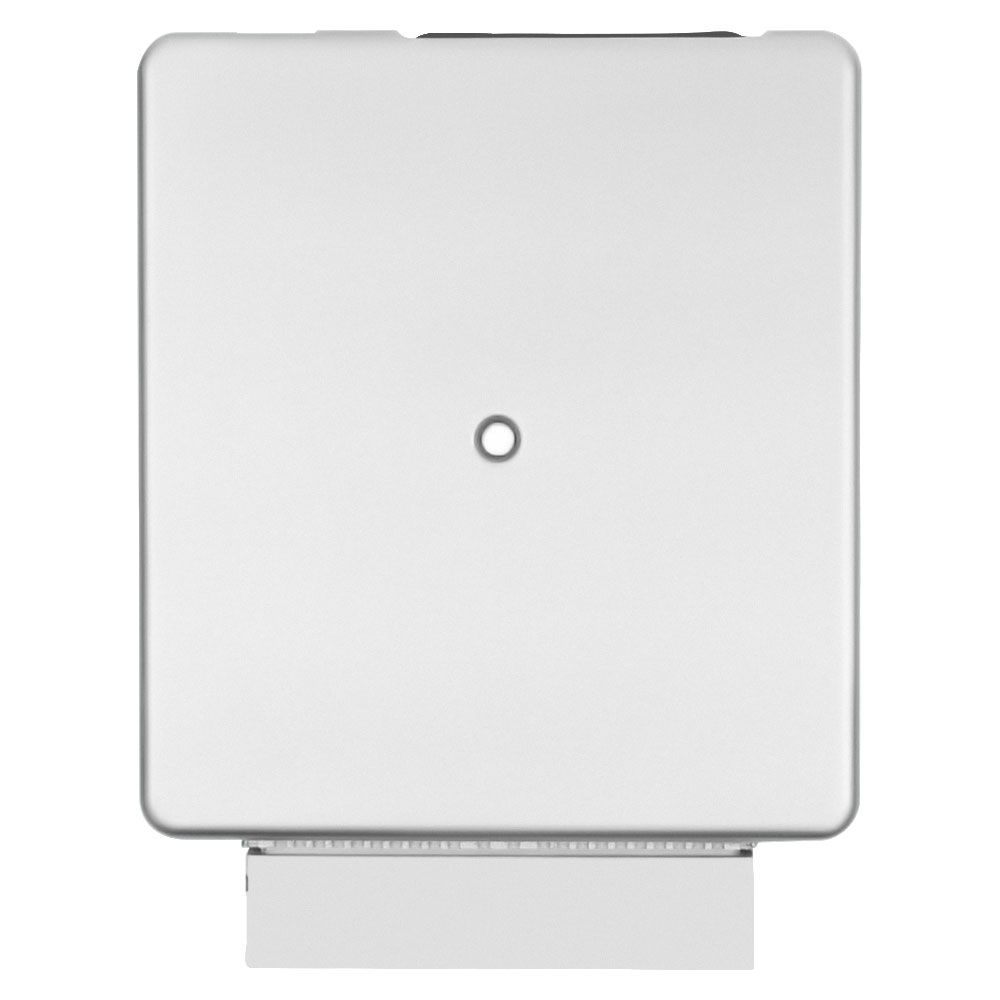
Flagship One stocks a refurbished, VIN-programmed PCM for the 1995 Ford Taurus with a lifetime warranty, free shipping and no core charge. The full Ford Taurus module lineup covers other engine configurations as well.
The Powertrain Control Module in your 1995 Ford Taurus 3.0L is a critical component that manages both engine and transaxle functions. Proper part selection—matching your specific transaxle type—is essential to avoid damage. Whether you choose repair or replacement, addressing PCM issues promptly restores your vehicle’s reliability and performance.