
Last updated on August 25th, 2026 at 01:38 pm
In the 1997 Ford Taurus, the Powertrain Control Module (PCM) and Engine Control Module (ECM) act as the vehicle’s central computers, managing fuel delivery, ignition timing, and transmission control. A malfunction can disrupt engine performance, cause loss of power, or prevent the vehicle from starting, often triggering diagnostic trouble codes and erratic behavior.
When a 1997 Ford Taurus begins to exhibit hard‑starting, stalling, or erratic shifting, the underlying cause often points to the vehicle’s computer modules. Understanding how the Powertrain Control Module (PCM) and Engine Control Module (ECM) function, what the factory recommends for replacement, and what steps are required after installation can help you avoid unnecessary downtime. This guide walks you through the typical labor involved, the programming that follows a swap, and the practical steps you can take to keep these critical components healthy. By the end, you will know what to expect from a repair shop or a DIY effort, and how a Flagship One replacement can simplify the process.
The PCM in a 1997 Ford Taurus serves as the brain for both engine and transmission, interpreting sensor data to control fuel injection, spark timing, and shift points. It also stores diagnostic information that helps pinpoint failures. The ECM, while similar, focuses primarily on engine management, handling idle control, emissions monitoring, and fuel trims. Together, these modules ensure the powertrain operates smoothly and meets emissions standards. Because the Taurus uses multiple ECM variants—one for gasoline, one for flex‑fuel, and a version specific to the 3.4L engine—each is calibrated to its fuel type and displacement. Proper operation of these computers is essential for reliable performance, fuel efficiency, and emissions compliance. A failure in either module can trigger a cascade of issues, from loss of power to complete no‑start conditions. For owners seeking a replacement, understanding the role of 1997 Ford Taurus replacement powertrain and engine computers helps clarify why the correct unit is crucial.
1997 Ford Taurus
OEM programmed ECM for your 1997 Ford Taurus — plug & play, no dealer visit.
Free shipping · Lifetime warranty
In the 1997 Ford Taurus, the PCM is mounted on the passenger side firewall, accessible after removing the intake duct and several fasteners. Replacing it typically takes about one hour of labor, according to the book time. The ECM resides near the engine, often bolted to the cylinder head or intake manifold, and may require removal of the air filter housing for access. Depending on the specific variant—gasoline, flex‑fuel, or the 3.4L version—the labor time ranges from 0.4 to 0.8 hours. Installation involves disconnecting the electrical connector, removing the mounting bolts, positioning the new unit, and re‑torquing to factory specifications. No torque values were provided, so standard practice is to follow the vehicle’s service manual for final tightening.
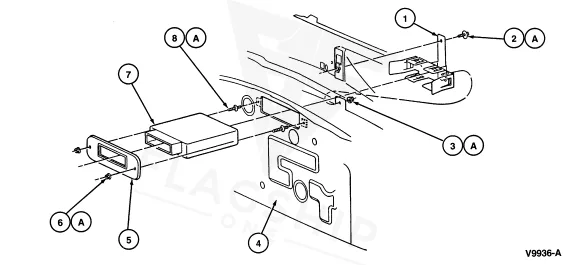
Work with the ignition off, and treat the module as static-sensitive: avoid touching the connector pins at any point.
| Operation | Configuration | Book Time |
|---|---|---|
| Powertrain Control Module R&R | All configurations | 1.0 hr |
| Powertrain Control Module Relearn | All configurations | 0.5 hr |
| Engine Control Module R&R | GAS | 0.5 hr |
| Engine Control Module R&R | GAS | 0.8 hr |
| Engine Control Module R&R | FLEX | 0.4 hr |
| Engine Control Module R&R | 3.4L | 0.4 hr |
After installing a new PCM or ECM in a 1997 Ford Taurus, the factory procedure calls for a PCM relearn operation that typically lasts about half an hour. This step ensures the replacement unit learns the vehicle’s idle parameters and sensor calibrations. Flagship One units arrive pre‑loaded with the correct VIN data, meaning the required reprogramming is already completed before the part reaches you. Consequently, the a VIN‑programmed replacement unit eliminates the need for an on‑site relearn, reducing shop time and potential errors.
A failing PCM or ECM in a 1997 Ford Taurus may manifest as a complete no‑start condition, rough idle, or intermittent stalling, especially under load. Drivers often notice a loss of power during acceleration, and the check engine light may flash with codes related to fuel delivery or ignition timing. Communication with a scan tool can become erratic, making it difficult to retrieve data. Transmission shifting may become harsh or delayed because the PCM also controls shift timing. One common diagnostic code associated with PCM issues is PCM internal timing error, which signals a problem with the module’s internal clock and can lead to broader system failures if not addressed promptly.
Service bulletin 97‑09‑08 outlines the procedure for reprogramming the PCM, including the necessary equipment and step‑by‑step instructions. Bulletin 99‑04‑03 provides guidance for out‑of‑vehicle reprogramming of powertrain control modules, detailing the required software and connection methods. Both bulletins emphasize the importance of completing the PCM relearn after replacement to restore proper engine and transmission operation.
| Bulletin | Subject | What It Addresses |
|---|---|---|
| 97-09-08 | POWERTRAIN CONTROL MODULE – REPROGRAM POWERTRAIN CONTROL MODULE (PCM) – SERVICE PROCEDURES – SE | — |
| 99-04-03 | EEC V VEHICLES ONLY – OUT-OF-VEHICLE – REPROGRAMMING POWERTRAIN CONTROL MODULES (PCMS) | — |
The factory book time lists about one hour for removing and installing the PCM. This includes disconnecting the electrical connector and re‑securing the unit.
Factory guidelines require a PCM relearn that takes roughly 0.5 hours. If you use a Flagship One VIN‑programmed unit, the programming is already completed.
Yes, because the PCM controls shift timing, a malfunctioning ECM can send incorrect data, leading to harsh or delayed shifts.
The flex‑fuel ECM includes additional calibration for ethanol blends, but both share similar labor times, around 0.4 hours for replacement.
Bulletins 97‑09‑08 and 99‑04‑03 address PCM reprogramming procedures for the 1997 Ford Taurus and provide detailed steps.
When the PCM or ECM in your 1997 Ford Taurus needs attention, you can choose a repair that restores the original unit or opt for a refurbished replacement that meets factory specifications. Both approaches require the same labor, but a Flagship One replacement arrives pre‑programmed, potentially saving you the relearn step. Evaluate the condition of your current module, consider the warranty coverage, and decide which path aligns best with your vehicle’s needs.
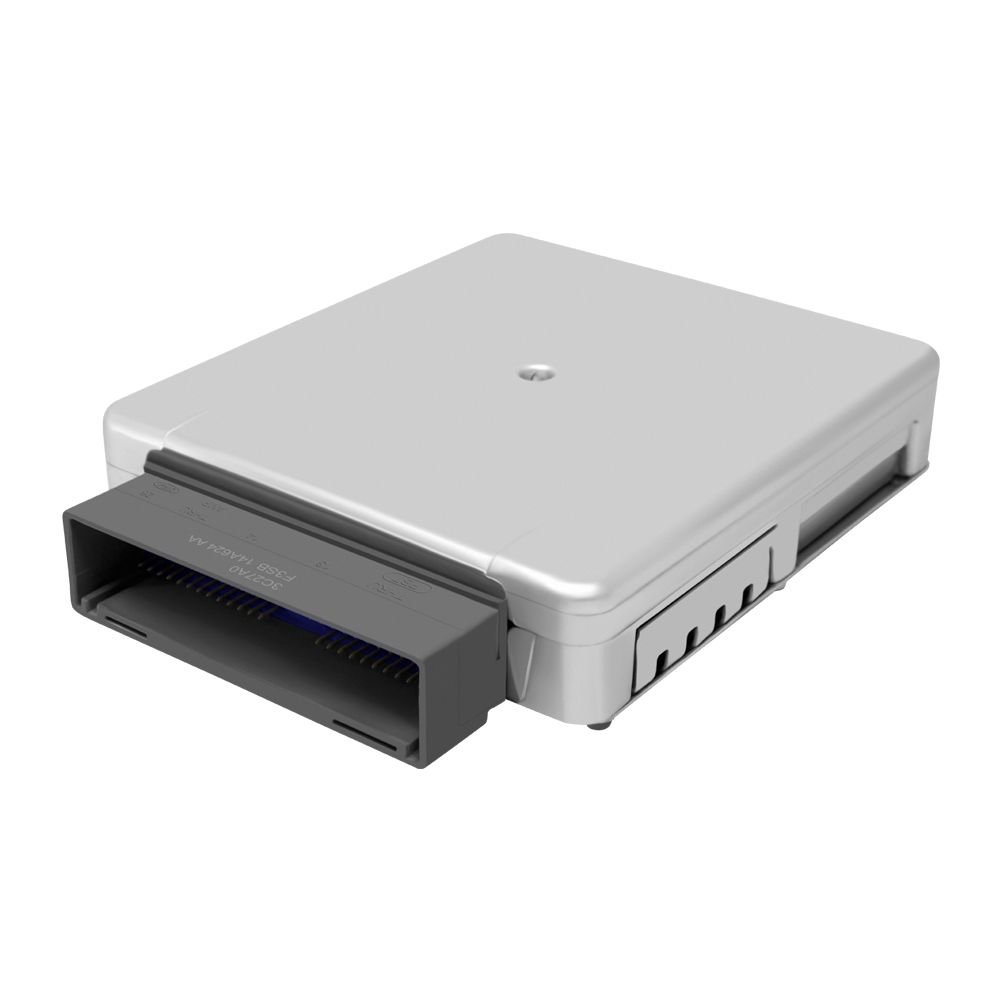
Flagship One stocks a refurbished, VIN-programmed PCM for the 1997 Ford Taurus with a lifetime warranty, free shipping and no core charge. The full Ford Taurus module lineup covers other engine configurations as well.
Whether you decide to repair or replace the PCM or ECM in your 1997 Ford Taurus, understanding the labor, programming requirements, and common symptoms helps ensure a smooth resolution. A properly installed and programmed module will restore reliable performance and keep your vehicle running as intended.