
Last updated on August 25th, 2026 at 01:39 pm
The Powertrain Control Module (PCM) in your 1996 Ford Taurus manages engine and transmission functions by processing sensor data. Failures may cause erratic performance, stalling, or diagnostic trouble codes related to fuel, ignition, or emissions systems.
If your 1996 Ford Taurus is experiencing unexplained stalling, rough idling, or a no-start condition, the Powertrain Control Module (PCM) may be the culprit. This critical component acts as the brain of your vehicle’s engine and transmission, coordinating fuel delivery, ignition timing, and emissions controls. Over time, heat, vibration, or electrical issues can degrade the PCM, leading to performance problems that mimic other failures. Understanding how this module functions, where it’s located, and what replacement involves can save you time and frustration. Whether you’re diagnosing a persistent check engine light or preparing for a repair, knowing the steps for proper installation and programming ensures your Taurus runs reliably. This guide covers the essentials of PCM replacement, common symptoms of failure, and practical tips to keep your vehicle’s electronics in top shape.
In your 1996 Ford Taurus, the Powertrain Control Module (PCM) is a combined engine and transmission control unit that processes data from sensors throughout the vehicle. It adjusts fuel injection, ignition timing, and idle speed to optimize performance and emissions, while also managing transmission shift points for smooth operation. The PCM relies on inputs like throttle position, engine temperature, and oxygen sensor readings to make real-time adjustments. When it fails, you may notice hesitation under acceleration, poor fuel economy, or even a complete inability to start. Because the PCM integrates multiple systems, diagnosing issues often requires scanning for trouble codes. If replacement becomes necessary, you’ll want replacement engine computers for the Taurus that are pre-programmed to match your vehicle’s specifications, ensuring a seamless installation without additional reprogramming steps.
Engine computer (ECM/PCM)
OEM programmed replacements — plug & play, no dealer visit.
Find yours by year, make & model →
Free shipping · Lifetime warranty
The Powertrain Control Module in your 1996 Ford Taurus is located inside the passenger compartment, typically mounted behind the dashboard on the right side near the glove box. Accessing it involves removing the lower dashboard panel and possibly the glove box assembly to reach the module’s mounting bracket. The replacement process is straightforward but requires care to avoid damaging electrical connectors. Labor times for PCM removal and reinstallation (R&R) vary: 1.0 hours for a full Powertrain Control Module replacement, while the Engine Control Module (ECM) portion alone may take 0.4 to 0.8 hours, depending on the specific procedure. After installation, the module’s connectors should be securely fastened, and the mounting hardware torqued to factory specifications to prevent vibration-related issues.
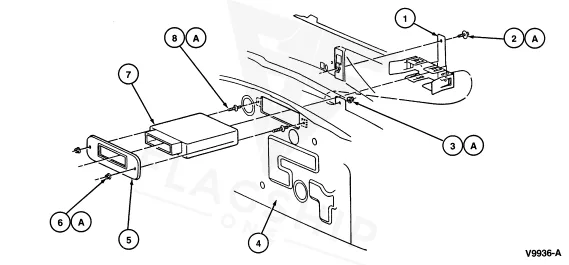
Work with the ignition off, and treat the module as static-sensitive: avoid touching the connector pins at any point.
| Operation | Configuration | Book Time |
|---|---|---|
| Powertrain Control Module R&R | All configurations | 1.0 hr |
| Powertrain Control Module Relearn | All configurations | 0.5 hr |
| Engine Control Module R&R | GAS | 0.5 hr |
| Engine Control Module R&R | GAS | 0.8 hr |
| Engine Control Module R&R | FLEX | 0.4 hr |
| Engine Control Module R&R | 3.4L | 0.4 hr |
After replacing the Powertrain Control Module in your 1996 Ford Taurus, the factory procedure typically requires a relearn process to synchronize the new module with the vehicle’s sensors and transmission. This step, which may take up to 0.5 hours, ensures proper communication between the PCM and other systems. However, if you install a VIN-programmed replacement unit, these additional steps are unnecessary, as the module arrives pre-configured for your specific Taurus. This eliminates the need for on-site reprogramming, reducing downtime and potential diagnostic errors. Always verify that the replacement unit matches your vehicle’s original part number and calibration to avoid compatibility issues.
A failing Powertrain Control Module in your 1996 Ford Taurus can manifest in several ways, often mimicking other mechanical or electrical problems. Common symptoms include intermittent stalling, especially at idle or during deceleration, and a no-start condition where the engine cranks but fails to fire. You may also experience rough idling, hesitation under acceleration, or poor fuel economy due to incorrect fuel mixture adjustments. Transmission shifting issues, such as delayed or harsh gear changes, can also indicate PCM trouble. On the diagnostic side, a dead scan tool communication or persistent check engine light with misfire-related codes—like random cylinder misfire detected—often points to a module failure. Other codes, such as those related to fuel trim or sensor circuits, may also appear. If your Taurus exhibits multiple symptoms simultaneously, the PCM is a likely culprit, especially if other components like spark plugs, wires, or sensors have been ruled out.
Ford issued several service bulletins addressing Powertrain Control Module issues in the 1996 Taurus. TSB 97-09-08 outlines procedures for reprogramming the PCM to resolve performance or emissions-related concerns. Another bulletin, 99-04-03, focuses on out-of-vehicle reprogramming for EEC V vehicles, which includes your Taurus. Additionally, TSB 97-08-06 addresses misfire-related diagnostic trouble codes (P0300 through P0308) that may illuminate the malfunction indicator lamp (MIL). These bulletins provide guidance for diagnosing and correcting PCM-related issues, often through software updates or module replacement.
| Bulletin | Subject | What It Addresses |
|---|---|---|
| 97-09-08 | POWERTRAIN CONTROL MODULE – REPROGRAM POWERTRAIN CONTROL MODULE (PCM) – SERVICE PROCEDURES – SE | — |
| 99-04-03 | EEC V VEHICLES ONLY – OUT-OF-VEHICLE – REPROGRAMMING POWERTRAIN CONTROL MODULES (PCMS) | — |
| 97-08-06 | DIAGNOSTIC TROUBLE CODES (DTCS) P0300, P0301, P0302, P0303, P0304, P0305, P0306, P0307, AND/OR | — |
Stalling at idle in your Taurus may indicate a failing Powertrain Control Module, especially if the issue occurs intermittently. The PCM regulates idle speed and fuel delivery, and degradation can cause erratic behavior. Check for trouble codes and inspect the PCM connectors for corrosion or loose connections before considering replacement.
Driving with a failing PCM is risky, as it may lead to sudden stalling, poor performance, or even a no-start condition. The vehicle may also enter a limp-home mode, limiting power and shifting. If you suspect PCM issues, address them promptly to avoid being stranded.
Reprogramming is typically recommended if the PCM is functional but outdated or misconfigured, often indicated by persistent trouble codes or poor performance. Replacement is necessary if the module is physically damaged or fails to communicate with diagnostic tools. Consult the factory service bulletins for guidance on reprogramming procedures.
In your 1996 Ford Taurus, the Powertrain Control Module (PCM) combines the functions of the Engine Control Module (ECM) and Transmission Control Module (TCM) into a single unit. The ECM portion manages engine operations, while the PCM oversees both engine and transmission functions. Labor times for replacement may vary depending on which portion of the module is being serviced.
A used PCM from another Taurus may work, but it often requires reprogramming to match your vehicle’s VIN and calibration. Without proper programming, you may experience performance issues or diagnostic trouble codes. A pre-programmed replacement unit eliminates this step and ensures compatibility.
If your 1996 Ford Taurus is exhibiting symptoms of a failing Powertrain Control Module, you have options for repair or replacement. While reprogramming the existing module may resolve software-related issues, a physical failure often requires a new or refurbished unit. Opting for a pre-programmed replacement ensures your Taurus is back on the road without the hassle of additional setup steps. Consider the labor savings and reliability of a module that’s ready to install and drive.
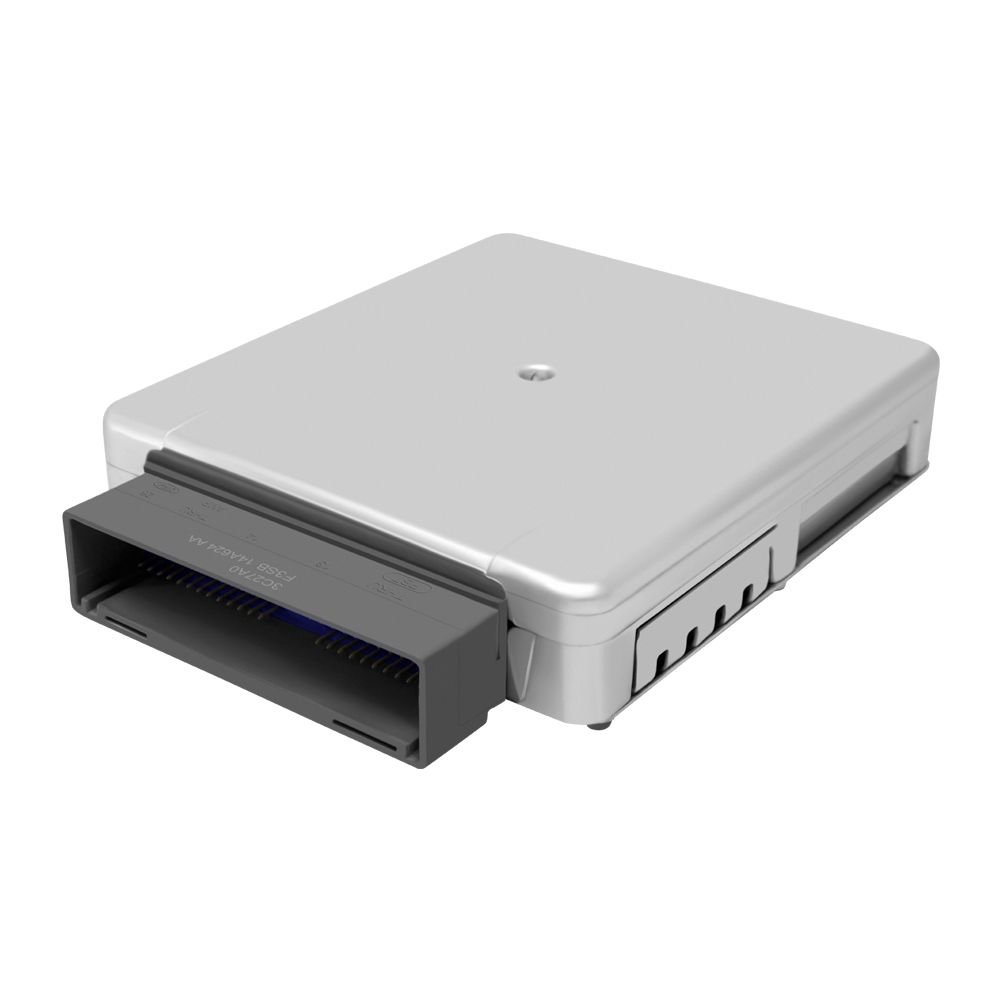
Flagship One stocks a refurbished, VIN-programmed PCM for the 1996 Ford Taurus with a lifetime warranty, free shipping and no core charge. The full Ford Taurus module lineup covers other engine configurations as well.
The Powertrain Control Module in your 1996 Ford Taurus plays a critical role in engine and transmission performance. If you’re experiencing stalling, no-start conditions, or persistent trouble codes, the PCM may be the root cause. Replacing it with a pre-programmed unit can restore reliable operation and save time during installation. Regular maintenance and prompt attention to electrical issues will help extend the life of your vehicle’s electronics. Keep your Taurus running smoothly by addressing PCM concerns early.