
Last updated on August 25th, 2026 at 01:38 pm
The Powertrain Control Module (PCM) in the 1998 Ford Taurus acts as the vehicle’s central computer, managing engine performance, fuel delivery, and transmission behavior. When it fails, you may experience erratic idling, poor acceleration, or complete engine shutdown.
If your 1998 Ford Taurus has been acting unpredictably—stalling at stops, refusing to start, or throwing mysterious check-engine lights—it may be time to consider the Powertrain Control Module (PCM). This critical component serves as the brain of your vehicle, coordinating everything from fuel injection to transmission shifts. When it malfunctions, the symptoms can range from subtle performance quirks to complete drivability failures. Understanding the role of the PCM, how to replace it, and what to expect afterward can save you time and frustration. Whether you’re a DIY enthusiast or planning to visit a shop, knowing the labor involved, the importance of proper programming, and the signs of failure will help you make informed decisions about your Taurus’s health.
The Powertrain Control Module (PCM) in the 1998 Ford Taurus is a sophisticated electronic control unit responsible for managing the engine and transmission systems. It continuously monitors data from sensors throughout the vehicle, adjusting fuel delivery, ignition timing, and shift points to optimize performance and efficiency. Without a functioning PCM, your Taurus may struggle to start, run roughly, or even fail to move at all. Over time, exposure to heat, vibration, or electrical surges can degrade the module, leading to intermittent or permanent failures. When replacement becomes necessary, opting for replacement engine control modules for the Ford Taurus ensures compatibility and reliability, as these units are designed to meet the specific demands of your vehicle’s powertrain.
1998 Ford Taurus
OEM programmed ECM for your 1998 Ford Taurus — plug & play, no dealer visit.
Free shipping · Lifetime warranty
In the 1998 Ford Taurus, the Powertrain Control Module is located in the engine compartment, typically mounted on the passenger-side fender well or near the firewall. Accessing it involves removing a protective cover and disconnecting the wiring harness. The replacement process is straightforward but requires care to avoid damaging connectors or the module itself. According to factory labor estimates, removing and reinstalling the PCM takes about 0.4 hours for the 3.4L engine. If the procedure involves additional steps, such as removing other components for better access, the labor time may extend to 1.0 hours. Always ensure the battery is disconnected before handling the module to prevent electrical shorts or data corruption.
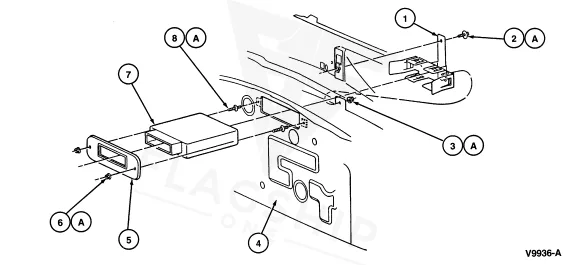
Work with the ignition off, and treat the module as static-sensitive: avoid touching the connector pins at any point.
| Operation | Configuration | Book Time |
|---|---|---|
| Powertrain Control Module R&R | All configurations | 1.0 hr |
| Powertrain Control Module Relearn | All configurations | 0.5 hr |
| Engine Control Module R&R | GAS | 0.5 hr |
| Engine Control Module R&R | GAS | 0.8 hr |
| Engine Control Module R&R | FLEX | 0.4 hr |
| Engine Control Module R&R | 3.4L | 0.4 hr |
After replacing the Powertrain Control Module in your 1998 Ford Taurus, a relearn procedure is typically required to synchronize the new unit with the vehicle’s systems. This process, which takes about 0.5 hours, ensures the PCM recognizes the engine’s sensors and adapts to the transmission’s shift patterns. However, if you install a VIN-programmed replacement unit, these steps are already completed, saving you time and potential headaches. Factory service bulletins, such as TSB 99-04-03, outline the reprogramming requirements for EEC V vehicles, emphasizing the importance of proper calibration to avoid drivability issues. Skipping this step may result in poor performance, erratic shifting, or even the illumination of the check-engine light.
A failing Powertrain Control Module in the 1998 Ford Taurus can manifest in several ways, often mimicking other mechanical or electrical problems. Common symptoms include intermittent stalling, especially at idle or during deceleration, as the module struggles to maintain stable engine operation. You may also notice poor acceleration, hesitation, or a lack of power, as the PCM fails to deliver the correct fuel and spark timing. In some cases, the vehicle may refuse to start altogether, leaving you stranded. Another telltale sign is the illumination of the check-engine light, often accompanied by trouble codes stored in the system. For example, an oxygen sensor heater circuit fault or P0155 may appear, indicating the PCM’s inability to properly monitor or control engine functions. Additionally, you might experience rough idling, spark knock, or even transmission shifting issues, as the module’s communication with the transmission control system degrades. If your scan tool fails to communicate with the PCM, that’s a strong indication the module itself has failed. Addressing these symptoms promptly can prevent further damage to your Taurus’s engine or transmission.
Factory service bulletins for the 1998 Ford Taurus address several PCM-related issues that owners may encounter. TSB 99-04-03 outlines the reprogramming procedure for Powertrain Control Modules in EEC V vehicles, emphasizing the need for out-of-vehicle updates to resolve calibration issues. Another bulletin, TSB 99-12-06, covers specific drivability symptoms such as illuminated check-engine lights with codes P0135, P0155, or P1138, as well as rolling idle, spark knock, or a lack of engine braking. This bulletin applies to Taurus models equipped with the 3.4L engine and provides guidance on diagnosing and correcting these issues through PCM updates or related repairs.
| Bulletin | Subject | What It Addresses |
|---|---|---|
| 99-04-03 | EEC V VEHICLES ONLY – OUT-OF-VEHICLE – REPROGRAMMING POWERTRAIN CONTROL MODULES (PCMS) | — |
| 99-12-06 | 3.0L VEHICLES WITH 2- OR 4-VALVE ENGINE OR 3.4L VEHICLES – ILLUMINATED WITH DIAGNOSTIC TROUBLE | — |
Common signs include stalling, no-start conditions, poor acceleration, or the check-engine light illuminating with related trouble codes. If your scan tool can’t communicate with the PCM, that’s a strong indication of module failure. Symptoms may also include rough idling or transmission shifting issues.
Yes, if you’re comfortable working with automotive electronics. The module is typically located in the engine compartment, and replacement involves disconnecting the battery, removing the old unit, and installing the new one. However, a relearn procedure is often required afterward to ensure proper operation.
In the 1998 Ford Taurus, the Powertrain Control Module (PCM) combines the functions of an Engine Control Module (ECM) and a Transmission Control Module (TCM). It manages both engine performance and transmission behavior, making it a critical component for overall drivability.
The relearn procedure allows the new PCM to adapt to your vehicle’s specific sensors, fuel system, and transmission characteristics. Without it, the module may not optimize performance, leading to poor drivability or the illumination of the check-engine light.
Yes, Ford issued service bulletins addressing PCM-related issues, including reprogramming requirements and specific trouble codes. TSB 99-04-03 and TSB 99-12-06 provide guidance on resolving calibration and drivability problems through updates or repairs.
If your 1998 Ford Taurus is exhibiting signs of PCM failure, you have options for replacement. A new or refurbished module can restore drivability, but choosing a pre-programmed unit eliminates the need for post-installation relearn procedures. Given the labor involved in replacement and programming, opting for a ready-to-install module can save time and reduce the risk of complications. Whether you’re tackling the job yourself or relying on a shop, understanding the process ensures a smoother repair experience.
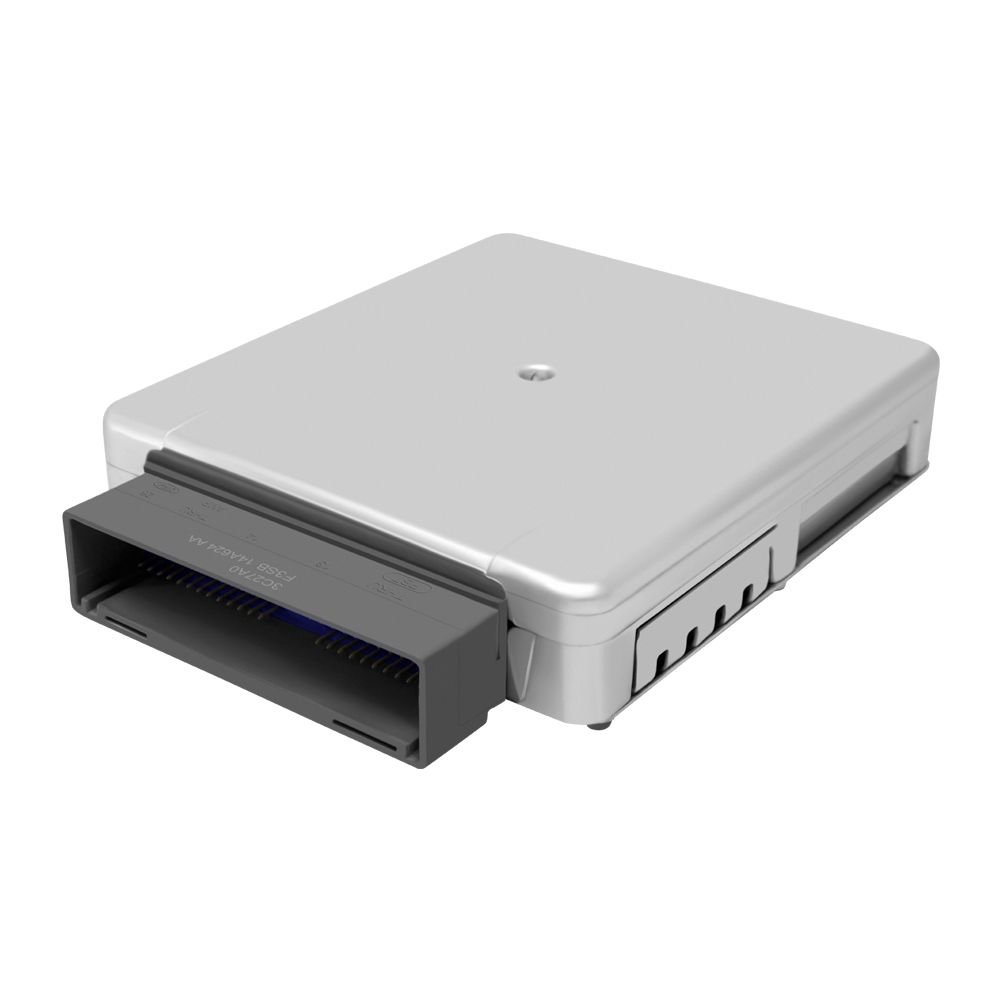
Flagship One stocks a refurbished, VIN-programmed PCM for the 1998 Ford Taurus with a lifetime warranty, free shipping and no core charge. The full Ford Taurus module lineup covers other engine configurations as well.
The Powertrain Control Module in your 1998 Ford Taurus plays a vital role in keeping your vehicle running smoothly. When it fails, the symptoms can be frustrating and disruptive, but replacement is a manageable task with the right knowledge. By understanding the labor involved, the importance of proper programming, and the signs of failure, you can make informed decisions about your Taurus’s care. Whether you choose to replace the module yourself or seek professional help, addressing PCM issues promptly will help keep your vehicle reliable for years to come.