
Last updated on August 25th, 2026 at 01:39 pm
The Powertrain Control Module (PCM) in your 1994 Ford Mustang manages fuel delivery, ignition timing, and transmission shifts. When it fails, you may experience stalling, poor acceleration, or erratic shifting—often without warning.
If your 1994 Ford Mustang with the 3.8L engine starts hesitating, stalling, or shifting poorly, the Powertrain Control Module (PCM) may be the culprit. This small but critical computer manages everything from fuel injection to transmission behavior, and when it fails, your vehicle’s performance suffers. Replacing it isn’t just about swapping a part—it involves careful installation and, in many cases, a relearn procedure to ensure everything runs smoothly. Understanding the role of the PCM, how to replace it, and what to expect afterward can save you time and frustration. Whether you’re dealing with a no-start condition or erratic shifting, knowing the steps involved helps you make an informed decision about repairs or replacements.
The Powertrain Control Module (PCM) in your 1994 Ford Mustang is the brain behind the engine and transmission. It processes data from sensors to adjust fuel delivery, ignition timing, and shift points, ensuring optimal performance. Without a functioning PCM, your vehicle may struggle to start, idle roughly, or shift gears unpredictably. This module is particularly important in the 3.8L engine, where precise control over fuel and air mixtures directly impacts drivability. Over time, heat, vibration, or electrical issues can degrade the PCM, leading to symptoms like hesitation or stalling. When replacement becomes necessary, replacement engine computers for the Mustang are available to restore factory-level operation. A failing PCM doesn’t always announce itself with a check engine light, so recognizing the subtle signs early can prevent more serious issues down the road.
1994 Ford Mustang 3.8L: When the
OEM programmed replacements — plug & play, no dealer visit.
Find yours by year, make & model →
Free shipping · Lifetime warranty
The PCM in your 1994 Ford Mustang is located inside the passenger-side footwell, mounted to the firewall. Accessing it requires removing the lower dashboard panel, which typically involves a few screws or clips. Once exposed, the PCM is held in place by a bracket and connected via a wiring harness. Disconnecting the battery before removal is recommended to avoid electrical issues. Reinstallation follows the reverse process, with the replacement unit secured in the same bracket. Labor time for removal and reinstallation (R&R) is typically 0.5 hours, according to factory estimates. If you’re replacing the Engine Control Module (ECM) instead, the process may take up to 1.0 hours, depending on accessibility and wiring complexity. Always ensure the connectors are clean and free of corrosion before attaching the new module.
Work with the ignition off, and treat the module as static-sensitive: avoid touching the connector pins at any point.
| Operation | Configuration | Book Time |
|---|---|---|
| Powertrain Control Module R&R | All configurations | 0.5 hr |
| Powertrain Control Module Relearn | All configurations | 0.5 hr |
| Engine Control Module R&R | All configurations | 1.0 hr |
After replacing the PCM in your 1994 Ford Mustang, the factory procedure requires a relearn process to synchronize the module with the vehicle’s systems. This typically takes 0.5 hours and involves using a scan tool to reset adaptive values for fuel, ignition, and transmission parameters. However, if you install a VIN-programmed replacement unit, these steps are already completed, saving you time and potential headaches. The pre-programmed unit arrives ready to plug in and drive, eliminating the need for additional software updates or relearn procedures. This is particularly useful for pre-OBD-II vehicles like yours, where manual reprogramming can be more complex. Always verify the replacement unit matches your vehicle’s VIN to ensure compatibility and seamless operation.
A failing PCM in your 1994 Ford Mustang may cause a range of symptoms, some subtle and others more obvious. Common signs include intermittent stalling, especially at idle or during deceleration, as the module struggles to maintain fuel and ignition timing. You might also notice hesitation or a sag in power during acceleration, particularly when shifting from first to second gear or third to fourth. In some cases, the vehicle may refuse to start at all, leaving you with a cranking engine that never fires. Erratic shifting, such as delayed or harsh gear changes, can also point to PCM issues, as the module controls transmission behavior. Another telltale sign is poor fuel economy, as the PCM may fail to optimize the air-fuel mixture. If the module loses communication with the scan tool, it may indicate an internal fault or wiring problem. While these symptoms can mimic other issues, such as sensor failures or vacuum leaks, persistent problems often trace back to the PCM. For example, if the module’s internal memory corrupts, it may trigger a fault like an internal control module memory check error, which can cause drivability issues without an obvious cause.
Ford issued several service bulletins addressing PCM-related issues in the 1994 Mustang with the 3.8L engine. TSB 97-09-08 outlines procedures for reprogramming the Powertrain Control Module to resolve drivability concerns. TSB 99-04-03 focuses on EEC V vehicles, providing guidelines for out-of-vehicle PCM reprogramming. Additionally, TSB 95-08-03 addresses delayed or soft shifts in the 4R70W transmission, recommending PCM replacement to correct hesitation or sag during gear changes. These bulletins highlight the importance of using updated or remanufactured modules to ensure proper operation.
| Bulletin | Subject | What It Addresses |
|---|---|---|
| 97-09-08 | POWERTRAIN CONTROL MODULE – REPROGRAM POWERTRAIN CONTROL MODULE (PCM) – SERVICE PROCEDURES – SE | — |
| 99-04-03 | EEC V VEHICLES ONLY – OUT-OF-VEHICLE – REPROGRAMMING POWERTRAIN CONTROL MODULES (PCMS) | — |
| 95-08-03 | 3.8L AND 4.6L ENGINES – 4R70W – DELAYED/SLOW/SOFT OR HESITATION/SAG ON 1-2 AND/OR 3-4 UPSHIFTS | — |
Stalling at idle or during deceleration is often linked to a failing PCM, which may struggle to maintain the correct air-fuel mixture or ignition timing. The module’s inability to adapt to changing conditions can cause the engine to cut out. Replacing the PCM with a VIN-programmed unit may resolve the issue.
Driving with a failing PCM is risky, as it can lead to unpredictable stalling, poor acceleration, or transmission issues. In some cases, the vehicle may not start at all. If you suspect PCM problems, it’s best to address them promptly to avoid further damage or unsafe driving conditions.
If your vehicle exhibits symptoms like hesitation, erratic shifting, or poor fuel economy, the PCM may require reprogramming. Factory service bulletins recommend this procedure for certain drivability issues. However, installing a pre-programmed replacement unit eliminates the need for manual reprogramming.
In your vehicle, the Powertrain Control Module (PCM) integrates engine and transmission control, while the Engine Control Module (ECM) focuses solely on engine management. The PCM is the more comprehensive unit, handling both systems. Replacement times differ, with PCM R&R typically taking less time than ECM R&R.
If your Mustang experiences delayed, soft, or harsh shifts, a new PCM may resolve the issue, especially if the problem stems from the module’s control over transmission behavior. Factory bulletins specifically address this concern, recommending PCM replacement for certain shifting-related symptoms.
If your 1994 Ford Mustang is showing signs of PCM failure, you have options. A repair shop can attempt to reprogram or repair the existing module, though this may not address underlying hardware issues. Alternatively, replacing the PCM with a VIN-programmed unit ensures compatibility and eliminates the need for post-install relearn procedures. Given the age of your vehicle, a remanufactured module is often the most cost-effective solution, restoring factory-level performance without the hassle of manual programming.
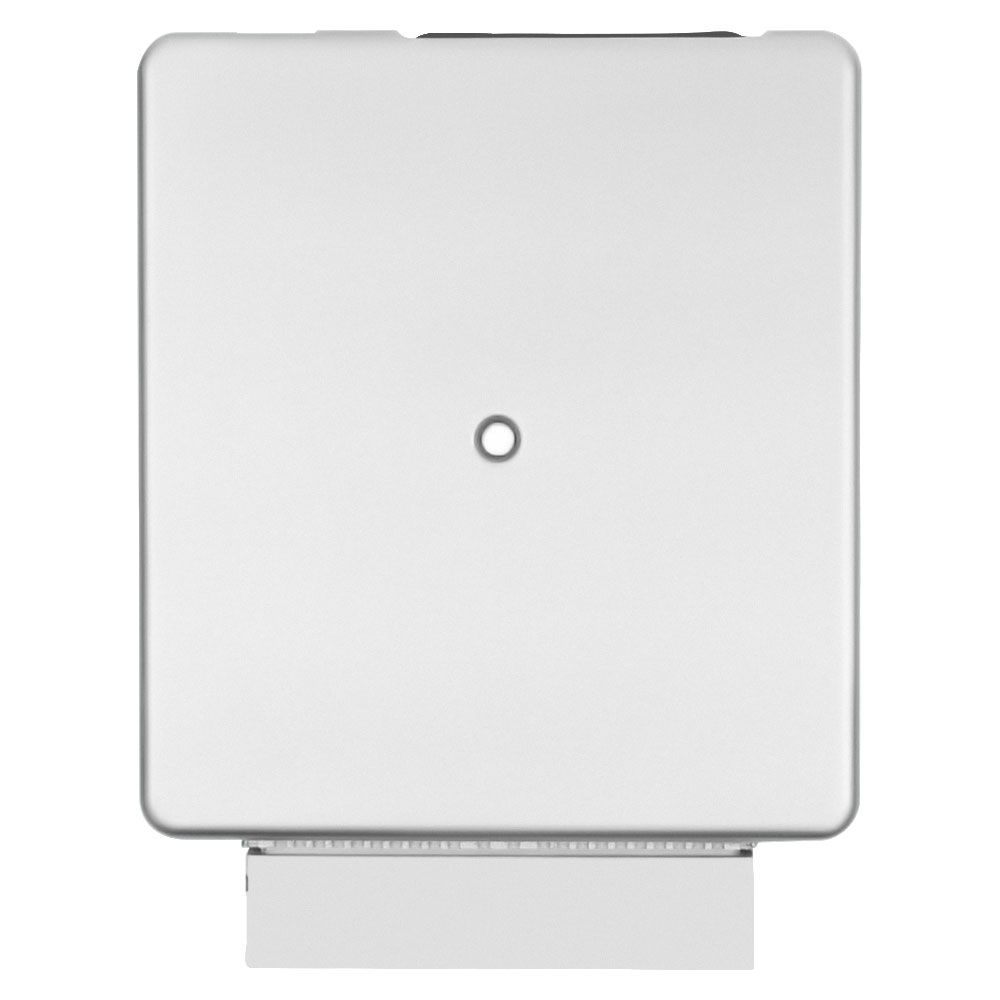
Flagship One stocks a refurbished, VIN-programmed PCM for the 1994 Ford Mustang with a lifetime warranty, free shipping and no core charge. The full Ford Mustang module lineup covers other engine configurations as well.
The PCM in your 1994 Ford Mustang plays a critical role in engine and transmission performance. When it fails, symptoms like stalling, hesitation, or erratic shifting can make driving frustrating and unreliable. Replacing the module with a VIN-programmed unit ensures a smooth, hassle-free process, allowing you to get back on the road with confidence. Whether you’re addressing a no-start condition or transmission issues, understanding the PCM’s function and replacement steps helps you make the best decision for your vehicle.