
Last updated on August 25th, 2026 at 12:15 pm
The powertrain control module in the 1992 Ford Mustang manages fuel delivery and ignition timing for the 2.3L engine. When this computer fails, it often causes rough running or a complete no-start condition, requiring replacement to restore proper engine function.
When your 1992 Ford Mustang begins to exhibit running issues or fails to start altogether, diagnosing the root cause can become frustrating. While older vehicles have simpler systems, the onboard computer still plays an essential role in managing the engine. The 2.3L engine relies on this module to coordinate fuel delivery and ignition timing. If that unit fails, your vehicle will not operate correctly. Understanding how this computer functions, where it is located, and what is required to replace it will save you time and guesswork. Many owners of the 1992 Ford Mustang assume that replacing an engine computer automatically means a costly trip to the dealership for programming. However, understanding the specific labor times and relearn procedures can help you plan the repair more effectively. By learning about the role of this module, the symptoms of its failure, and the installation requirements, you gain the knowledge needed to make an informed repair decision. Whether you are troubleshooting a stubborn engine issue or preparing to swap a faulty unit, having the correct information ensures you address the problem efficiently and get your vehicle back on the road.
1992 Ford Mustang
OEM programmed ECM for your 1992 Ford Mustang — plug & play, no dealer visit.
Free shipping · Lifetime warranty
In the 1992 Ford Mustang, the powertrain control module acts as the central brain for the 2.3L engine. This computer continuously collects data from various engine sensors, such as the mass airflow sensor and oxygen sensor, to calculate the precise amount of fuel needed and the exact moment to fire the spark plugs. By adjusting these parameters in real time, the system ensures the engine runs efficiently and produces the expected power. When you consider 1992 Ford Mustang replacement computers, it is important to recognize that these units are calibrated specifically for the 2.3L displacement and its corresponding fuel map. A malfunctioning unit cannot make these critical adjustments, which often leads to a rich or lean condition that can damage internal components over time. The module also controls the idle speed and manages emission controls to keep the vehicle compliant. Because the 1992 Ford Mustang predates the OBD-II standard, it uses a less complex diagnostic system, meaning the module relies on fewer inputs but remains just as vital for basic operation. Without a functioning computer, the engine will not start or will run poorly, as the fuel injectors and ignition coils will not receive the proper commands. Replacing a defective unit with one that is correctly programmed restores these essential calculations, allowing the engine to perform as the factory intended.
Locating the engine computer on the 1992 Ford Mustang typically involves checking the passenger compartment, often under the dashboard or near the kick panel. Accessing the unit requires removing any trim panels obstructing the module. Once you unplug the electrical connectors and remove the mounting hardware, the old unit can be swapped. According to labor guides, removing and reinstalling a powertrain control module takes 0.5 hours. If you are replacing an engine control module, the book time is slightly longer at 1.1 hours, likely due to different access points or additional hardware. After the physical swap is complete, the vehicle may require a relearn procedure so the new computer can adapt to the engine’s specific mechanical characteristics. This relearn process adds 0.5 hours to the total labor time. Taking care to avoid damaging the wiring harness connectors during removal ensures the new module can be plugged in without further issues.
| Operation | Configuration | Book Time |
|---|---|---|
| Powertrain Control Module R&R | All configurations | 0.5 hr |
| Powertrain Control Module Relearn | All configurations | 0.5 hr |
| Engine Control Module R&R | All configurations | 1.1 hr |
Following the installation of a new or used engine computer in the 1992 Ford Mustang, the factory procedure dictates a specific relearn process. This step is necessary because a fresh module lacks the adaptive memory required to idle correctly and manage fuel trims for your specific engine. The 0.5 hours of labor allocated for the relearn procedure accounts for the time needed to cycle the ignition, allow the module to relearn idle parameters, and potentially perform a driving cycle so the system stabilizes. Skipping this step often results in erratic idling or hesitation during acceleration. When you purchase a VIN-programmed replacement unit from Flagship One, those factory programming steps are already completed before the part ships. The computer arrives loaded with the necessary calibration files and vehicle-specific data. This means you can install the hardware, and because the relearn data is already established, you can often skip the lengthy dealership programming appointment and get your vehicle running properly sooner.
When the engine computer in the 1992 Ford Mustang begins to fail, the vehicle often exhibits clear drivability symptoms. One of the most common signs is a no-start condition, where the engine cranks but refuses to fire because the module is not triggering the fuel injectors or ignition coils. Intermittent stalling is another frequent complaint; the engine may suddenly shut off while driving, creating a hazardous situation. You might also experience rough idling or hesitation upon acceleration, as the defective computer struggles to calculate the correct air-fuel mixture. Misfires are common, which can cause the 2.3L engine to shake or run unevenly. Since the 1992 Ford Mustang is a pre-OBD-II vehicle, you will not see standard P-codes on a modern scanner, but you may retrieve manufacturer-specific codes using the appropriate testing method. Dead communication with a diagnostic tool is a strong indicator of a module failure. In some cases, the engine may run excessively rich, producing black smoke from the exhaust and reducing fuel economy. Alternatively, a lean condition might cause surging or overheating. Electrical issues like these often worsen as the module heats up, meaning the car might start cold but stall once it reaches operating temperature. Recognizing these symptoms early can prevent further damage to the catalytic converter or other engine components.
The labor guide specifies 0.5 hours to remove and install the powertrain control module. An additional 0.5 hours is allocated for the relearn procedure, bringing the total service time to roughly one hour.
Factory procedures require a relearn process so the new module adapts to the engine. However, if you install a unit that has been pre-programmed by Flagship One, the VIN-specific calibration is already completed, saving you a trip to the dealer.
Removing and reinstalling the powertrain control module takes 0.5 hours, while the engine control module requires 1.1 hours. The difference typically reflects variations in the physical location or the complexity of accessing the mounting hardware.
No, the 1992 Ford Mustang utilizes earlier diagnostic protocols that are not compatible with standard OBD-II scanners. You must use a diagnostic tool capable of reading manufacturer-specific codes for pre-OBD-II Ford vehicles.
Common indicators include a no-start condition, intermittent stalling, and rough idling. You may also notice poor fuel economy or a complete lack of communication when attempting to read diagnostic codes.
Deciding between repairing a faulty original unit or purchasing a refurbished replacement for your 1992 Ford Mustang depends on the extent of the damage. While some specialized shops can repair circuit board damage, a pre-programmed replacement module offers a straightforward solution that eliminates the uncertainty of a recurring failure. Choosing a unit that is ready to install gets your 2.3L engine running reliably again.
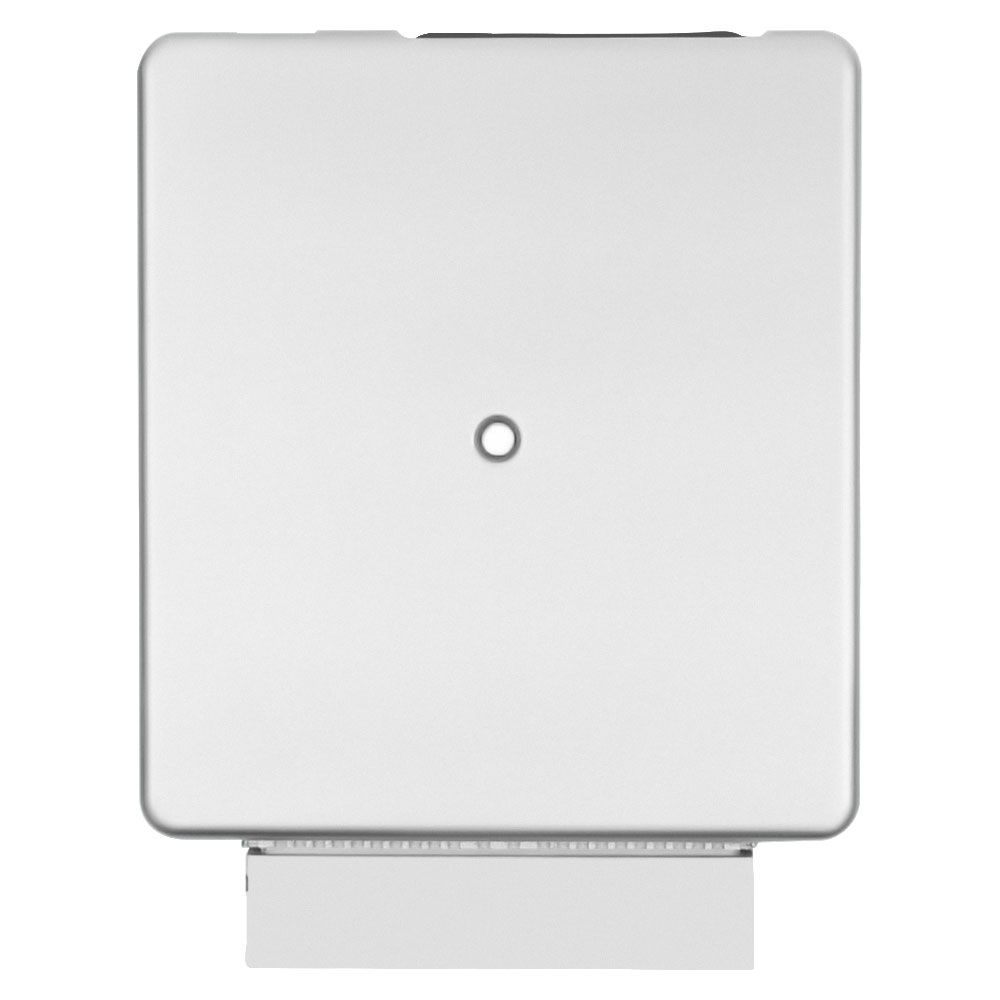
Flagship One stocks a refurbished, VIN-programmed PCM for the 1992 Ford Mustang with a lifetime warranty, free shipping and no core charge. The full Ford Mustang module lineup covers other engine configurations as well.
Addressing engine computer issues in the 1992 Ford Mustang requires a clear understanding of the labor times and relearn procedures involved. Recognizing the symptoms of failure helps you diagnose the problem accurately without unnecessary part swapping. When you are ready to resolve the drivability issues with your 2.3L engine, consider a pre-programmed replacement to simplify the repair process and get your vehicle back on the road.