
Last updated on August 25th, 2026 at 01:40 pm
In the 1993 Ford Mustang with the 2.3L engine, the engine control module (ECM) manages fuel delivery, ignition timing, and emissions systems. When it fails, your vehicle may experience hard starts, stalling, or poor performance, often without warning.
If your 1993 Ford Mustang with the 2.3L engine is running poorly or refusing to start, the engine control module (ECM) may be the culprit. This small but critical computer manages everything from fuel delivery to ignition timing, and when it fails, your vehicle’s performance can suffer in noticeable ways. Unlike modern vehicles with advanced diagnostics, the 1993 Mustang’s pre-OBD-II system doesn’t always provide clear warnings before a failure occurs. That’s why understanding the role of the ECM, recognizing symptoms of trouble, and knowing the replacement process can save you time and frustration. Whether you’re dealing with intermittent stalling, a no-start condition, or just want to be prepared, this guide will walk you through what the ECM does, how to replace it, and what to expect during the process. You’ll also learn why choosing a pre-programmed unit can simplify the job and get your Mustang back on the road faster.
The engine control module in your 1993 Ford Mustang is the brain behind the 2.3L engine’s operation. It continuously monitors inputs from sensors—like the throttle position, coolant temperature, and oxygen sensors—to adjust fuel injection, ignition timing, and idle speed in real time. This ensures the engine runs efficiently, meets emissions standards, and delivers the power you expect when you press the gas pedal. Without a properly functioning ECM, your Mustang may struggle to start, run roughly, or even stall unexpectedly. The module also plays a role in managing the vehicle’s emissions systems, which is why a failure can sometimes lead to increased exhaust emissions or a failed smog test. Given its central role, the ECM is built to be durable, but like any electronic component, it can degrade over time due to heat, vibration, or electrical issues. When replacement becomes necessary, you’ll want to consider replacement engine computers for the Mustang to ensure compatibility and reliability. The 1993 model’s ECM is particularly sensitive to voltage spikes, so maintaining a healthy charging system is key to prolonging its lifespan.
1993 Ford Mustang 2.3L: When the
OEM programmed replacements — plug & play, no dealer visit.
Find yours by year, make & model →
Free shipping · Lifetime warranty
In the 1993 Ford Mustang, the engine control module is located inside the passenger compartment, typically mounted behind the glove box or under the dashboard on the passenger side. Accessing it requires removing the glove box or lower dashboard panel, which may involve unscrewing a few fasteners or releasing clips. Once the panel is removed, the ECM is usually visible and secured with a mounting bracket or screws. Disconnecting the wiring harness is straightforward, but it’s important to handle the connectors carefully to avoid damaging the pins. Reinstalling the module involves reversing these steps: securing the new unit in place, reconnecting the wiring harness, and reinstalling any panels or components that were removed. The factory labor time for removing and replacing the ECM is 1.1 hours, which includes the time needed to access the module and secure it properly. If you’re replacing the powertrain control module (PCM) instead, the process is slightly quicker, with a book time of 0.5 hours, as it may be located in a more accessible area.
| Operation | Configuration | Book Time |
|---|---|---|
| Engine Control Module R&R | All configurations | 1.1 hr |
| Powertrain Control Module R&R | All configurations | 0.5 hr |
| Powertrain Control Module Relearn | All configurations | 0.5 hr |
After replacing the engine control module in your 1993 Ford Mustang, the factory procedure requires a relearn process to ensure the new unit communicates correctly with the vehicle’s sensors and systems. This step is critical because the ECM must adapt to the unique characteristics of your engine, such as fuel trims and idle settings, to avoid performance issues like rough running or poor fuel economy. The relearn process typically involves a series of ignition cycles or a specific drive cycle, and it may take up to 0.5 hours to complete. However, if you install a VIN-programmed replacement unit, this step is already handled for you. The unit arrives pre-configured to match your Mustang’s specific engine and emissions requirements, eliminating the need for additional programming. This not only saves time but also reduces the risk of errors during the relearn process, ensuring your vehicle runs smoothly from the moment the new module is installed.
When the engine control module in your 1993 Ford Mustang begins to fail, the symptoms can range from subtle to severe. One of the most common signs is a no-start condition, where the engine cranks but refuses to fire up. This often happens because the ECM is no longer sending the correct signals to the fuel injectors or ignition system. Another frequent issue is stalling, particularly at idle or during low-speed driving, as the module struggles to maintain stable engine operation. You may also notice rough idling, hesitation during acceleration, or a general lack of power, all of which can stem from the ECM’s inability to adjust fuel delivery or ignition timing accurately. In some cases, the vehicle may run poorly or misfire, especially under load, as the module fails to compensate for changing engine conditions. Electrical issues, such as a dead scan tool connection, can also indicate a failing ECM, as the module may no longer communicate properly with diagnostic equipment. While the 1993 Mustang doesn’t use modern OBD-II codes, internal faults like memory checksum error may still occur, signaling that the ECM’s internal programming has become corrupted. If you experience any of these symptoms, it’s worth investigating the ECM as a potential cause, especially if other common issues like fuel pump failure or ignition problems have been ruled out.
Driving with a failing ECM is risky, as the module controls critical engine functions like fuel delivery and ignition. While the vehicle may still run, it could stall unexpectedly, leave you stranded, or even cause further damage to other components. If you suspect the ECM is failing, it’s best to address the issue as soon as possible.
Diagnosing an ECM failure can be tricky, especially in a pre-OBD-II vehicle. Common signs include a no-start condition, stalling, rough running, or a lack of response from the engine. If you’ve ruled out other potential causes like fuel pump failure, ignition issues, or sensor problems, the ECM may be the culprit. A professional scan tool can sometimes detect internal ECM faults, even in older vehicles.
Replacing the ECM in your Mustang is a straightforward process, but it does require some basic mechanical skills. The module is located inside the passenger compartment, typically behind the glove box or under the dashboard. You’ll need to remove a few panels to access it, disconnect the wiring harness, and install the new unit. The factory labor time for this job is 1.1 hours, so it’s manageable for most DIYers with the right tools.
Yes, the factory procedure requires a relearn process after installing a new ECM to ensure it adapts to your vehicle’s specific engine characteristics. This can take up to 0.5 hours and may involve a series of ignition cycles or a drive cycle. However, if you install a pre-programmed replacement unit, this step is already completed, saving you time and hassle.
In the 1993 Mustang, the engine control module (ECM) and powertrain control module (PCM) refer to the same component, depending on the terminology used. The ECM/PCM manages engine functions like fuel injection, ignition timing, and emissions systems. Replacing the PCM follows a similar process but may have a shorter labor time of 0.5 hours, as it may be located in a slightly different area.
If your 1993 Ford Mustang is experiencing symptoms of an ECM failure, you have a few options to consider. A repair may be possible if the issue is minor, such as a corroded connector or a loose ground, but if the module itself is faulty, replacement is often the most reliable solution. Opting for a pre-programmed replacement unit can save you time and ensure the new ECM is ready to go right out of the box, without the need for additional programming or relearn procedures. This approach is particularly useful for older vehicles like the 1993 Mustang, where factory diagnostics and programming tools may be harder to access.
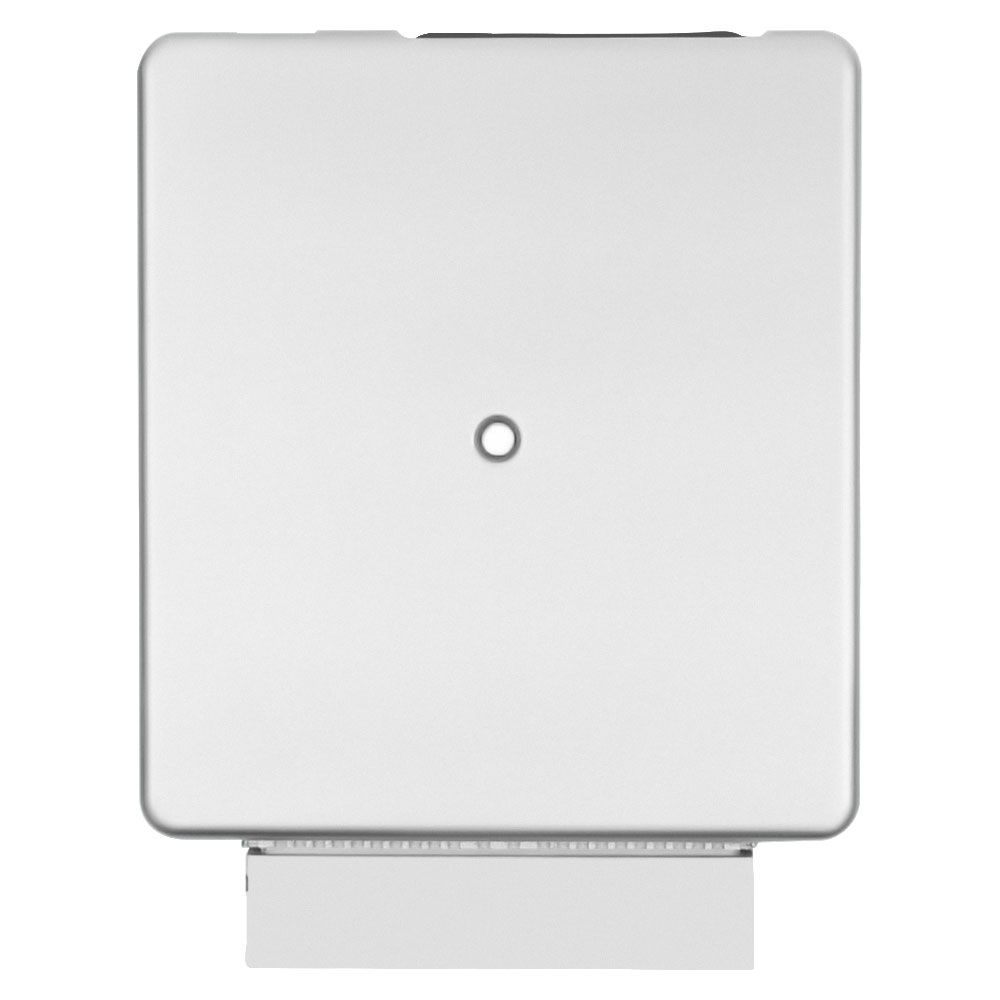
Flagship One stocks a refurbished, VIN-programmed PCM for the 1993 Ford Mustang with a lifetime warranty, free shipping and no core charge. The full Ford Mustang module lineup covers other engine configurations as well.
The engine control module in your 1993 Ford Mustang plays a vital role in keeping your vehicle running smoothly. Whether you’re dealing with a no-start condition, stalling, or rough running, understanding the symptoms and replacement process can help you make an informed decision. By choosing a pre-programmed replacement unit, you can simplify the installation and get back on the road with minimal downtime. If you suspect your ECM is failing, addressing the issue promptly can prevent further complications and keep your Mustang running reliably for years to come.