
Last updated on August 25th, 2026 at 01:15 pm
In the 1992 Ford Explorer the Engine Control Module and Powertrain Control Module manage ignition timing, fuel delivery, and transmission shifting. A failure typically disables the distributorless ignition system, causing the malfunction indicator lamp to illuminate and may prevent the engine from starting or running smoothly.
When the malfunction indicator lamp lights on a 1992 Ford Explorer equipped with a distributorless ignition system, the underlying cause often points to the engine or powertrain control modules. Those electronic brains coordinate fuel injection, spark timing, and transmission shift logic. Understanding how these modules work, where they sit, and what the factory repair process entails can help you decide whether to replace them with a new unit or a refurbished option. This guide walks through the function of each module, the location and labor involved, the programming steps required after replacement, and practical tips to keep the electronics healthy. By the end, you’ll know what to expect from a repair, how to avoid common pitfalls, and which resources are available for a reliable fix.
The Engine Control Module in a 1992 Ford Explorer receives input from sensors such as the crankshaft position, throttle position, and oxygen sensors to calculate the precise timing of fuel injection and spark. It also monitors emissions and controls the idle speed, ensuring the engine runs smoothly across all conditions. The Powertrain Control Module performs a similar role for the transmission, interpreting vehicle speed and load data to determine optimal shift points and torque converter lockup. Together, they form the electronic core that replaces the older mechanical control methods, making the vehicle more efficient and responsive. Failure of either module can cause a loss of power, rough idle, or a persistent MIL. For owners seeking a new unit, the market offers replacement engine computers for the Explorer that match the original specifications.
1992 Ford Explorer
OEM programmed ECM for your 1992 Ford Explorer — plug & play, no dealer visit.
Free shipping · Lifetime warranty
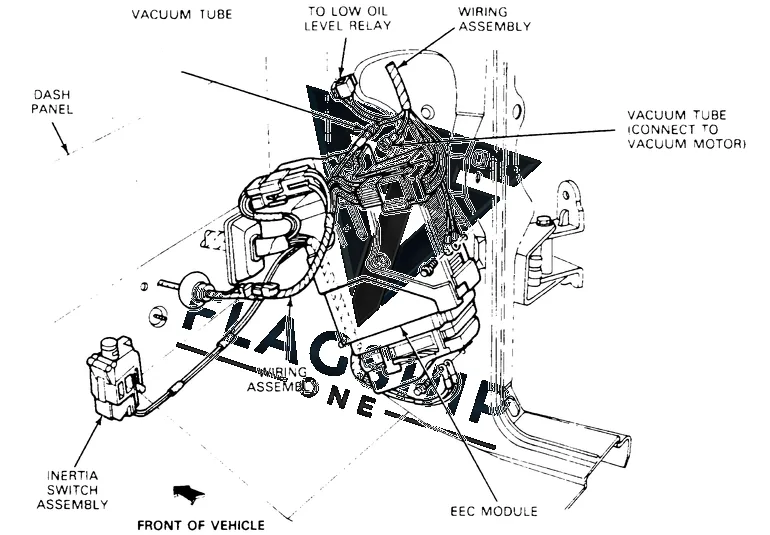
Both modules are mounted within the engine compartment of the 1992 Ford Explorer, typically secured to the firewall or a nearby bracket. Access requires disconnecting the battery, removing the connector harnesses, and unscrewing the mounting bolts. The Engine Control Module removal is estimated at 0.9 hours of labor, while the Powertrain Control Module takes about 0.5 hours. After the bolts are removed, the unit can be lifted out, allowing a replacement to be positioned and fastened in the same location. Reconnecting the harnesses and restoring battery power completes the physical installation, after which the relearn procedure begins for the PCM.
Work with the ignition off, and treat the module as static-sensitive: avoid touching the connector pins at any point.
| Operation | Configuration | Book Time |
|---|---|---|
| Engine Control Module R&R | All configurations | 0.9 hr |
| Powertrain Control Module R&R | All configurations | 0.5 hr |
| Powertrain Control Module Relearn | All configurations | 0.5 hr |
Following the physical swap, the factory service routine calls for a Powertrain Control Module relearn that typically consumes 0.5 hours. This step recalibrates the transmission control parameters to match the newly installed unit. Flagship One supplies a VIN-programmed replacement unit that arrives pre‑configured with the vehicle identification number, so the relearn step is already satisfied, eliminating the need for additional programming tools or dealer visits.
A failing Engine Control Module or Powertrain Control Module in a 1992 Ford Explorer often triggers the malfunction indicator lamp and may be accompanied by rough idle, stalling, or a complete no‑start condition. Drivers might notice intermittent loss of power, erratic transmission shifting, or a lack of communication when scanning the vehicle with a diagnostic tool. In some cases the ignition system will not generate spark, leading to a dead engine despite a healthy battery. These signs usually point to internal module faults or connector issues that the service bulletin addresses.
Technical Service Bulletin 95‑10‑02 for the 1992 Ford Explorer describes a revised connector retention clip and seal for the ignition control module, addressing premature failure of the MIL illumination circuit. The bulletin also notes updated wiring recommendations to improve reliability of the distributorless ignition system.
| Bulletin | Subject | What It Addresses |
|---|---|---|
| 95-10-02 | “MALFUNCTION INDICATOR LAMP” (MIL) ILLUMINATED – DISTRIBUTORLESS IGNITION SYSTEM (DIS) ONLY – I | — |
The factory book time for removing and reinstalling the Engine Control Module on a 1992 Ford Explorer is about 0.9 hours.
Yes, after installing a new Powertrain Control Module, a relearn procedure of roughly 0.5 hours is normally required to calibrate transmission shift logic.
The MIL can illuminate due to issues with the ignition control module, especially when the distributorless ignition system detects a fault in the connector or seal.
Technical Service Bulletin 95‑10‑02 provides revised connector retention and seal instructions for the ignition control module on the 1992 Ford Explorer.
Verify that the connector pins are fully seated, the grounding points are clean, and the relearn procedure has been completed according to the factory guidelines.
When the ECM or PCM fails on a 1992 Ford Explorer, you can choose a brand‑new unit or a refurbished replacement that meets factory specifications. Both options require the same labor steps, but a VIN‑programmed replacement from Flagship One eliminates the need for post‑install relearn, saving time and reducing the chance of errors. Evaluate your budget and the expected mileage to decide which path best fits your vehicle’s needs.
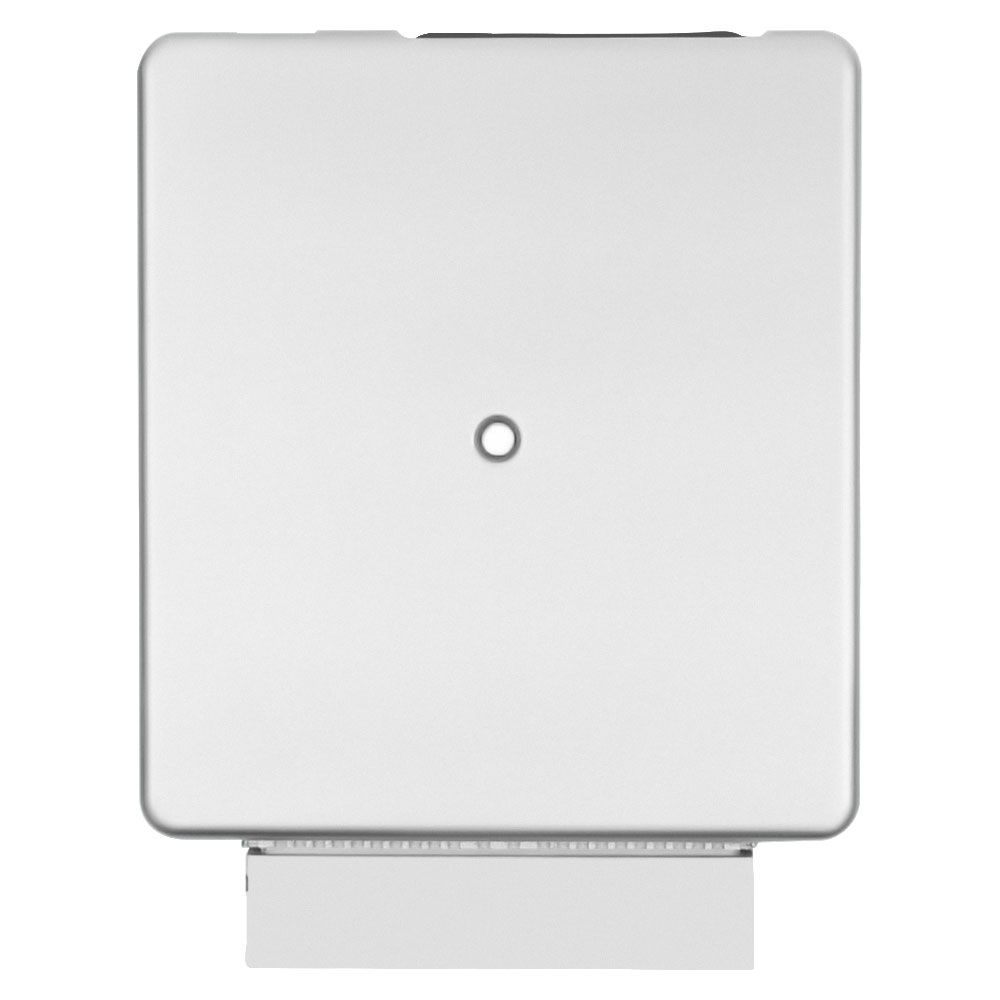
Flagship One stocks a refurbished, VIN-programmed PCM for the 1992 Ford Explorer with a lifetime warranty, free shipping and no core charge. The full Ford Explorer module lineup covers other engine configurations as well.
A malfunctioning Engine or Powertrain Control Module can sideline a 1992 Ford Explorer, but with the right parts and procedures you can restore reliable operation. Consider a VIN‑programmed replacement to streamline the repair and keep your Explorer running smoothly.