
Last updated on August 25th, 2026 at 01:41 pm
The Powertrain Control Module (PCM) in your 1991 Ford Explorer is the central computer managing engine ignition, fuel delivery, and transmission functions. When this unit fails, the vehicle may exhibit starting issues, stalling, or illuminated warning lamps despite no obvious mechanical problems.
If your 1991 Ford Explorer with the 4.0L engine is experiencing starting difficulties, intermittent stalling, or unexpected check engine lamp illumination, the Powertrain Control Module may be the culprit. This central computer handles critical functions across the engine and transmission, and on a vehicle of this age, module degradation is a known reality. This guide walks you through understanding what the PCM does in your specific vehicle, recognizing failure symptoms, and navigating the replacement process with confidence. You will learn where the module is located, what the factory procedure requires after installation, and how modern VIN-programmed replacement units simplify what was once a more complicated repair. Whether you are diagnosing a no-start condition or planning a proactive replacement, the information here helps you make informed decisions about your 1991 Explorer.
The Powertrain Control Module in your 1991 Ford Explorer serves as the brain of the powertrain, integrating functions that older vehicles distributed across multiple separate controllers. This unit receives input from various sensors throughout the engine compartment and uses that data to calculate optimal fuel delivery timing, ignition advance, and transmission shift points. For the 4.0L V6 engine found in this model year, the PCM also interfaces with the Ignition Control Module to manage the distributorless ignition system, controlling spark delivery to each cylinder with precision that mechanical distributors cannot match. The module stores calibration data specific to your vehicle’s Vehicle Identification Number, meaning each replacement unit must be programmed to recognize your particular engine and transmission combination. When the PCM encounters conditions outside expected ranges, it stores fault information and may illuminate the malfunction indicator lamp to alert the driver. Because this module affects such a wide range of vehicle operations, failure can manifest in many different ways, from hard-starting and rough idle to transmission shifting complaints and complete no-start situations. The importance of this component in your 1991 Explorer cannot be overstated—it is the central hub through which all major powertrain decisions flow. If you need replacement engine computers for the Explorer, sourcing a unit programmed with your specific VIN ensures seamless integration with your vehicle’s existing systems.
Flagship One keeps Ford Explorer replacement engine computers in stock for exactly this failure pattern.
1991 Ford Explorer
OEM programmed ECM for your 1991 Ford Explorer — plug & play, no dealer visit.
Free shipping · Lifetime warranty
The Powertrain Control Module on the 1991 Ford Explorer is located in the engine compartment, typically mounted on the passenger side near the firewall or on the inner fender panel, depending on the exact production run of your vehicle. Access requires opening the hood and removing any protective cover or air intake components that may obstruct the view of the module and its electrical connectors. The connector itself uses a multi-pin design that secures with retaining clips, and care must be taken to release these clips properly before attempting to disconnect the wiring harness. Replacement involves disconnecting the battery negative terminal first, then removing the old module from its mounting bracket, transferring any mounting hardware to the new unit, and reconnecting the harness ensuring the retention clips fully engage. The total book time for the remove and replace operation is 0.5 hours, though actual time may vary based on connector condition and accessibility. After the new module is physically installed, the battery is reconnected and the engine is started to initiate the factory relearn procedure, which takes an additional 0.5 hours of labor to complete properly.
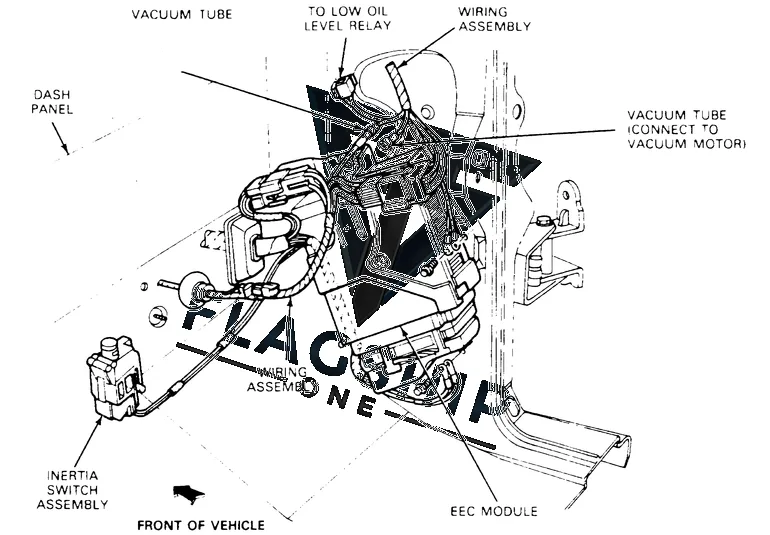
Work with the ignition off, and treat the module as static-sensitive: avoid touching the connector pins at any point.
| Operation | Configuration | Book Time |
|---|---|---|
| Powertrain Control Module R&R | All configurations | 0.5 hr |
| Powertrain Control Module Relearn | All configurations | 0.5 hr |
| Powertrain Control System Diagnosis & Testing | All configurations | 0.5 hr |
After replacing the Powertrain Control Module in your 1991 Ford Explorer, the factory procedure requires a relearn process to allow the new module to adapt to your vehicle’s specific engine and transmission characteristics. This relearn procedure involves starting the engine and allowing it to idle through specific rpm and temperature thresholds while the module calibrates its fuel trims and shift schedules to your particular drivetrain. The diagnosis and testing labor fact of 0.5 hours accounts for verifying proper communication between the new module and the vehicle’s sensors before declaring the repair complete. One significant advantage of purchasing a replacement unit from Flagship One is that their modules arrive pre-programmed with your VIN, meaning the unit will recognize your vehicle immediately upon installation. This eliminates the need for the shop to perform additional programming steps that would otherwise require specialized tooling or trip to a dealership. The factory relearn procedure remains necessary to optimize drivability, but the heavy lifting of module programming is already completed before the unit ships. With a VIN-programmed replacement unit, the installation process closely mirrors the simple R&R procedure that the book time allows.
Every VIN-programmed replacement unit from Flagship One arrives with these steps already completed.
When the Powertrain Control Module begins to fail on a 1991 Ford Explorer, the symptoms often appear gradually and can be mistaken for other more common problems. A no-start condition where the engine cranks but will not fire is one of the most serious indicators, suggesting the module is not providing the proper ignition spark or fuel injector pulse. Intermittent stalling, particularly at idle or during low-speed maneuvers, frequently points to module-related issues with the idle air control or fuel delivery calculations. Misfire codes may appear even when spark plugs and wires have been recently replaced, indicating the problem lies in the module’s ability to control ignition timing accurately. Some owners report that their scan tool cannot communicate with any module, suggesting a failed PCM rather than an individual sensor fault. Transmission shifting problems such as harsh shifts, delayed engagement, or failure to shift into overdrive can also stem from PCM malfunction, as the module controls the shift schedule based on input from the vehicle speed sensor and throttle position sensor. An illuminated malfunction indicator lamp that cannot be cleared, or that clears briefly only to return, is another common complaint associated with failing modules in this model year. The symptoms often worsen in hot weather or after the vehicle has been running, as heat accelerates the degradation of internal electronic components within the module.
Factory Service Bulletin 95-10-02 addresses illumination of the malfunction indicator lamp on 1991 Ford Explorers equipped with the distributorless ignition system. The bulletin specifically targets the Ignition Control Module connector retention, noting that the retention clip and seal were revised to improve connection integrity and prevent moisture intrusion that could cause intermittent operation. The revised connector design helps ensure consistent electrical contact between the ICM and the powertrain control module, reducing instances of false fault codes being stored. Shops performing PCM replacement on these vehicles should inspect the ICM connector condition and consider updating to the revised retention components if the vehicle exhibits intermittent MIL illumination or ignition-related diagnostic codes.
| Bulletin | Subject | What It Addresses |
|---|---|---|
| 95-10-02 | “MALFUNCTION INDICATOR LAMP” (MIL) ILLUMINATED – DISTRIBUTORLESS IGNITION SYSTEM (DIS) ONLY – I | — |
No. The PCM must be programmed with your specific Vehicle Identification Number to properly operate your 4.0L engine and transmission. An unprogrammed unit will not communicate with your vehicle’s sensors correctly.
Yes, if you have basic mechanical skills and can safely work in the engine compartment. The physical replacement takes about 0.5 hours of labor, but you will need to perform the factory relearn procedure or have a shop complete it.
The new module must learn the specific characteristics of your engine and transmission to optimize fuel delivery and shift timing. This adaptive process takes place during the relearn procedure and ensures drivability matches factory specifications.
No. The ICM handles ignition spark delivery while the PCM manages broader powertrain functions including fuel injection and transmission control. They are separate modules that communicate with each other.
A comprehensive diagnostic process is required. If your scan tool cannot communicate with the module or if multiple unrelated codes appear simultaneously, the PCM is more likely the root cause. A professional shop can isolate the issue using factory diagnostic procedures.
When facing PCM failure on your 1991 Ford Explorer, you have two primary paths forward: repair of the existing module or replacement with a refurbished or new unit. Repair may be cost-effective for minor issues, but carries no warranty and uncertain long-term reliability. A VIN-programmed replacement unit from Flagship One arrives ready to install with your specific vehicle’s calibration, eliminating the programming delay that would otherwise extend your repair time. Consider your vehicle’s overall condition and your reliability expectations when choosing between these options.
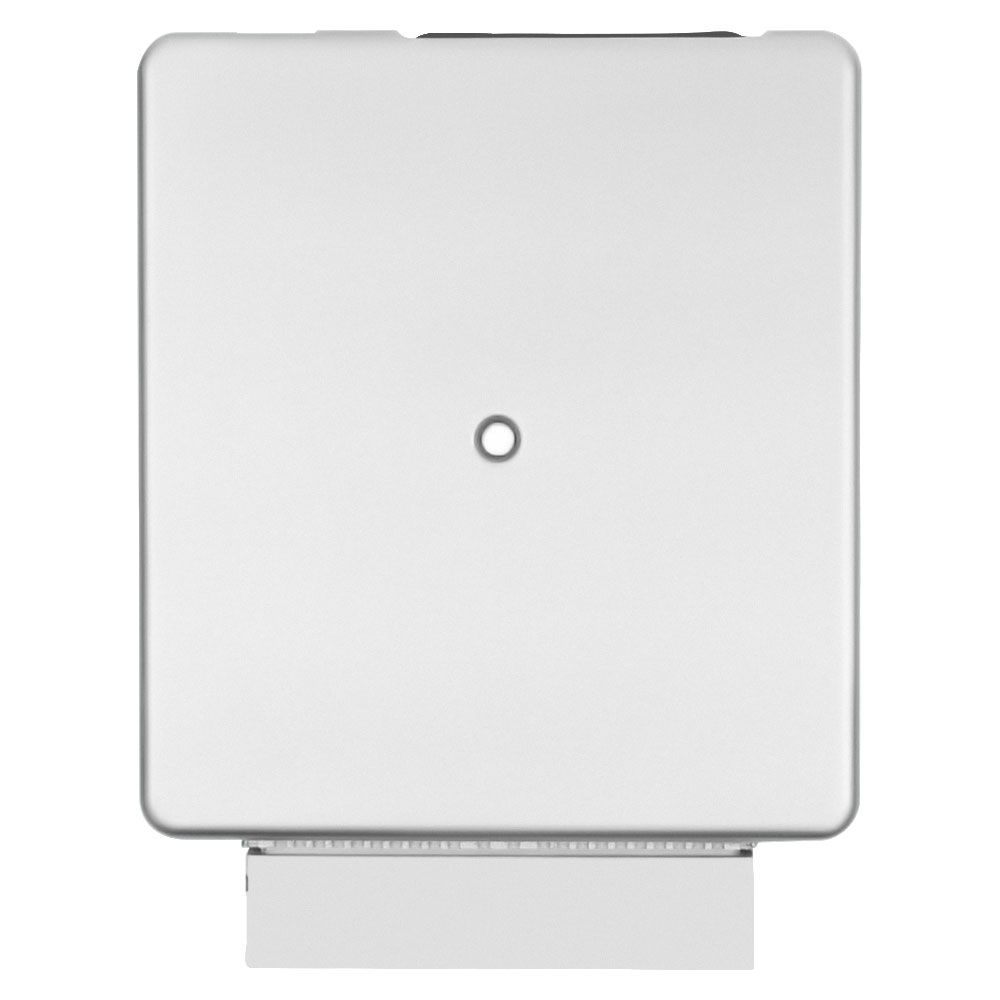
Flagship One stocks a refurbished, VIN-programmed PCM for the 1991 Ford Explorer with a lifetime warranty, free shipping and no core charge. The full Ford Explorer module lineup covers other engine configurations as well.
The Powertrain Control Module in your 1991 Ford Explorer is a critical component that manages the heart of your vehicle’s powertrain operations. Understanding its function, recognizing failure symptoms, and knowing what the replacement process involves empowers you to make sound repair decisions. Whether you tackle the job yourself or entrust it to a professional, sourcing a properly programmed replacement unit ensures your Explorer returns to reliable service.