
Last updated on August 25th, 2026 at 01:41 pm
In the 1991 Ford Mustang with the 2.3L engine, the Engine Control Module (ECM) manages fuel delivery, ignition timing, and emissions controls. Failure may cause hard starting, stalling, or poor drivability without warning.
If your 1991 Ford Mustang with the 2.3L engine has been acting up—stalling unexpectedly, refusing to start, or running rough—it may be time to consider the engine computer, or Engine Control Module (ECM). Unlike modern vehicles with advanced diagnostics, this pre-OBD-II Mustang relies on a simpler but still critical ECM to manage fuel, ignition, and emissions. When it fails, the symptoms can be frustratingly inconsistent, leaving you guessing whether it’s the fuel pump, ignition system, or something else. Understanding what the ECM does, where it’s located, and what replacement involves can save you time and avoid unnecessary part swaps. This guide covers the essentials: how to spot ECM failure, what the replacement process entails, and why a pre-programmed unit can simplify the job. Whether you’re a DIYer or working with a shop, knowing these details helps you make informed decisions about your Mustang’s drivability and reliability.
1991 Ford Mustang 2.3L: When the
OEM programmed replacements — plug & play, no dealer visit.
Find yours by year, make & model →
Free shipping · Lifetime warranty
The Engine Control Module (ECM) in your 1991 Ford Mustang is the brain behind the engine’s operation. It continuously monitors sensors for engine speed, throttle position, coolant temperature, and oxygen levels in the exhaust. Using this data, the ECM adjusts fuel injection timing and duration, spark plug firing, and idle speed to keep the engine running smoothly. Without a functioning ECM, the engine may run too rich or too lean, misfire, or fail to start altogether. Because this Mustang predates OBD-II, the ECM doesn’t store trouble codes in the same way modern vehicles do, which can make diagnosing issues trickier. When the ECM fails, it often disrupts multiple systems at once, leading to symptoms that mimic other problems. For example, a faulty ECM may cause the engine to stall or hesitate under acceleration, similar to a failing fuel pump or clogged injectors. If you’re replacing the ECM, you’ll need replacement engine computers for the Mustang that match your vehicle’s specifications. A direct-fit unit ensures compatibility with your Mustang’s wiring and sensor inputs, reducing the risk of installation issues.
In the 1991 Ford Mustang with the 2.3L engine, the ECM is located inside the passenger compartment, mounted on the firewall near the glove box. Accessing it requires removing the glove box or its support bracket, which may involve unscrewing a few bolts or clips. Once exposed, the ECM is secured with a single bolt or screw, and the wiring harness connector is released by pressing a tab or sliding a lock. Replacing the ECM involves disconnecting the battery to prevent electrical shorts, removing the old unit, and installing the new one in its place. The labor time for this job is typically 1.1 hours, according to factory estimates. After installation, the wiring harness is reconnected, and the battery is reattached. If the replacement ECM isn’t pre-programmed, a relearn procedure is required to synchronize it with the engine’s sensors and fuel system.
| Operation | Configuration | Book Time |
|---|---|---|
| Engine Control Module R&R | All configurations | 1.1 hr |
| Powertrain Control Module R&R | All configurations | 0.5 hr |
| Powertrain Control Module Relearn | All configurations | 0.5 hr |
After replacing the ECM in your 1991 Ford Mustang, the factory procedure requires a relearn process to ensure the new module communicates correctly with the engine’s sensors and fuel system. This typically involves a 0.5-hour labor step, where the technician follows a specific sequence to reset the ECM’s adaptive memory. The process may include cycling the ignition, driving the vehicle under certain conditions, or using a scan tool to clear learned values. However, if you install a VIN-programmed replacement unit, these steps are already completed. The module arrives pre-configured to match your Mustang’s engine and emissions requirements, eliminating the need for additional programming. This not only saves time but also reduces the risk of drivability issues that can arise from an improperly initialized ECM. Always confirm that the replacement unit is designed for your specific model year and engine to avoid compatibility problems.
A failing ECM in your 1991 Ford Mustang can cause a range of symptoms that often mimic other engine problems. One of the most common signs is a no-start condition, where the engine cranks but refuses to fire. This may happen because the ECM isn’t sending the correct signals to the fuel injectors or ignition system. Another frequent issue is stalling, particularly at idle or during deceleration, which can occur if the ECM loses communication with the throttle position sensor or idle air control valve. Rough idle or hesitation under acceleration are also telltale signs, as the ECM may struggle to maintain the correct air-fuel mixture. In some cases, the engine may run excessively rich or lean, leading to poor fuel economy or black smoke from the exhaust. Because this Mustang lacks the diagnostic capabilities of later models, you won’t see stored trouble codes like an internal control module memory check sum error, but a scan tool may still show communication errors or erratic sensor readings. If you notice multiple symptoms—such as stalling combined with a no-start condition—it’s worth investigating the ECM as a potential cause. Electrical issues, like corroded connectors or a weak battery, can also trigger similar problems, so it’s important to rule those out first.
Stalling at idle is a common symptom of a failing ECM in the 1991 Mustang. The module controls idle speed by adjusting the throttle or idle air control valve. If it loses communication with these components, the engine may stall. However, other issues like a vacuum leak or faulty idle air control valve can also cause this problem, so it’s important to diagnose thoroughly.
Yes, a faulty ECM can disrupt the engine’s ignition timing or fuel delivery, leading to misfires or rough running. The ECM relies on sensor inputs to determine when to fire the spark plugs and inject fuel. If these signals are incorrect or lost, the engine may misfire or hesitate under acceleration.
Start by checking the ECM’s wiring harness and connectors for corrosion, damage, or loose connections. A multimeter can help verify power and ground signals at the ECM. If the wiring checks out but symptoms persist, the ECM itself may be faulty. A scan tool can also help identify communication errors between the ECM and other systems.
If you install a new ECM without reprogramming or relearning it, the engine may run poorly or not start at all. The ECM needs to synchronize with the engine’s sensors and fuel system to operate correctly. A relearn procedure or a pre-programmed unit ensures the ECM adapts to your Mustang’s specific setup.
Driving with a failing ECM can be unpredictable. The engine may stall unexpectedly, hesitate under acceleration, or run poorly, which could leave you stranded. If you suspect ECM issues, it’s best to address them promptly to avoid further drivability problems or potential damage to other components.
If your 1991 Ford Mustang is experiencing symptoms like stalling, no-start conditions, or rough running, replacing the ECM may be the solution. While a new unit requires programming to match your vehicle’s specifications, a pre-configured replacement eliminates the need for additional steps. Whether you opt for a refurbished ECM or a new one, ensuring compatibility with your Mustang’s 2.3L engine is key to restoring reliable performance. Consider your options carefully—repairing the existing module may not always be cost-effective, especially if the issue is internal or related to corrosion.
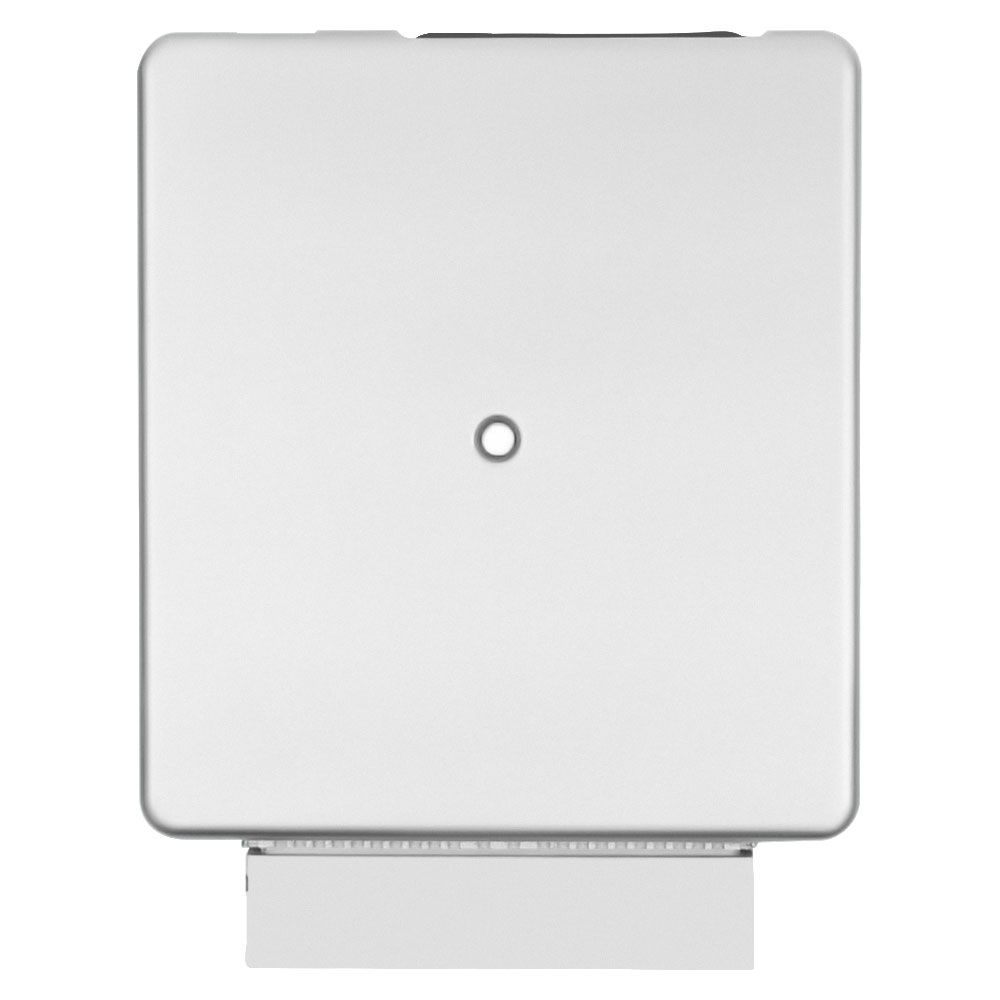
Flagship One stocks a refurbished, VIN-programmed PCM for the 1991 Ford Mustang with a lifetime warranty, free shipping and no core charge. The full Ford Mustang module lineup covers other engine configurations as well.
The ECM in your 1991 Ford Mustang plays a critical role in keeping the engine running smoothly. When it fails, symptoms like stalling, rough idle, or a no-start condition can disrupt your driving experience. Replacing the ECM is a straightforward process, but choosing a pre-programmed unit can save time and avoid potential drivability issues. If you’re dealing with ECM-related problems, addressing them promptly ensures your Mustang remains reliable for years to come. Whether you tackle the job yourself or work with a shop, understanding the process helps you make the best decision for your vehicle.