
Last updated on August 25th, 2026 at 01:41 pm
In the 1990 Ford Mustang with the 2.3L engine, the engine control module (ECM) acts as the brain, managing fuel injection and ignition timing. When it fails, you may experience hard starts, stalling, or poor acceleration due to disrupted engine management.
If your 1990 Ford Mustang with the 2.3L engine is struggling to start, stalling unexpectedly, or running poorly, the engine control module (ECM) may be the culprit. This small but critical component manages fuel injection, ignition timing, and other essential functions to keep your engine running smoothly. Unlike modern vehicles with advanced diagnostics, the 1990 Mustang relies on a simpler, pre-OBD-II system, which can make troubleshooting more challenging. Understanding how the ECM works, where it’s located, and what to expect during replacement can save you time and frustration. Whether you’re diagnosing an issue or preparing for a repair, knowing the role of the ECM—and how to address its failures—will help you make informed decisions about your vehicle’s health. This guide covers the specifics of the ECM in your Mustang, including common symptoms, replacement procedures, and what to expect after installation.
1990 Ford Mustang 2.3L: Understanding and Replacing the
OEM programmed replacements — plug & play, no dealer visit.
Find yours by year, make & model →
Free shipping · Lifetime warranty
The engine control module (ECM) in your 1990 Ford Mustang 2.3L is responsible for managing the engine’s fuel and ignition systems. It processes data from sensors throughout the engine bay, adjusting fuel delivery and spark timing to maintain optimal performance. Without a functioning ECM, your vehicle may struggle to start, run roughly, or even stall unexpectedly. Because this module is the central hub for engine management, its reliability is critical to your Mustang’s drivability. When issues arise, replacing the ECM with replacement engine computers for the Mustang is often the most straightforward solution. The module’s role extends beyond basic engine operation; it also influences fuel efficiency and emissions, making it a key component for both performance and compliance with older vehicle standards. If the ECM fails, you may notice symptoms like poor acceleration, misfires, or an illuminated check engine light, though the latter is less common in pre-OBD-II vehicles like yours.
In the 1990 Ford Mustang 2.3L, the engine control module (ECM) is typically located in the engine bay, mounted near the firewall or inner fender. Accessing it involves removing a few bolts or screws and disconnecting the wiring harness. The labor time for removing and replacing the ECM is listed at 1.1 hours in factory service manuals. This includes the time needed to safely disconnect the battery, remove any necessary components for access, and reinstall the new module. The Powertrain Control Module (PCM), if applicable, may require 0.5 hours for removal and reinstallation, though this is less common in this specific model. Always ensure the replacement unit is securely mounted and the wiring connections are clean and tight to avoid future issues.
| Operation | Configuration | Book Time |
|---|---|---|
| Powertrain Control Module R&R | All configurations | 0.5 hr |
| Powertrain Control Module Relearn | All configurations | 0.5 hr |
| Engine Control Module R&R | All configurations | 1.1 hr |
After replacing the engine control module in your 1990 Ford Mustang 2.3L, the factory procedure requires a relearn process to synchronize the new module with the vehicle’s sensors. This step, which typically takes about 0.5 hours, ensures the ECM adapts to your engine’s specific characteristics. However, when you install a VIN-programmed replacement unit, this relearn step is already completed, saving you time and potential hassle. The pre-programmed unit is matched to your vehicle’s VIN, so it arrives ready to plug in and drive. This eliminates the need for additional shop visits or specialized equipment, making the repair process more straightforward. Always follow the manufacturer’s guidelines for battery disconnection and reconnection during installation to avoid any electrical issues.
When the engine control module in your 1990 Ford Mustang 2.3L begins to fail, you may notice a range of symptoms that can affect drivability. One of the most common signs is a no-start condition, where the engine cranks but refuses to fire. Stalling or rough idling may also occur, particularly when the vehicle is warm or under load. Poor acceleration or hesitation during throttle input can indicate the ECM is struggling to manage fuel and spark timing effectively. In some cases, the engine may run erratically or misfire, though this is often less pronounced than in modern vehicles with advanced diagnostics. Another telltale sign is a lack of communication with a scan tool, which can make diagnosis more challenging. If the ECM is failing, you might also experience intermittent electrical issues, such as flickering dashboard lights or erratic gauge behavior. While the 1990 Mustang doesn’t use trouble codes in the same way as OBD-II vehicles, persistent issues like these often point to a faulty ECM. Addressing these symptoms promptly can prevent further damage to your vehicle’s engine or fuel system.
Stalling when warm is often a sign of a failing ECM, as the module may struggle to maintain consistent fuel and spark delivery under higher temperatures. This can disrupt engine operation, leading to stalling or rough idling. Replacing the ECM with a pre-programmed unit may resolve the issue.
Driving with a faulty ECM is not recommended, as it can lead to further engine damage or leave you stranded. Symptoms like stalling, poor acceleration, or no-start conditions may worsen over time. Addressing the issue promptly ensures your vehicle remains reliable.
Diagnosing an ECM failure in a 1990 Mustang can be tricky, as symptoms often overlap with other issues like fuel pump or ignition problems. If the vehicle exhibits multiple symptoms—such as no-start, stalling, or poor acceleration—it may point to the ECM. A professional diagnosis can help confirm the issue.
Installing a used ECM from another vehicle may work temporarily, but it often requires reprogramming to match your Mustang’s specific settings. Without proper synchronization, you may experience poor performance, stalling, or other drivability issues. A VIN-programmed replacement unit is a more reliable solution.
Yes, disconnecting the battery before replacing the ECM is a standard safety practice. This prevents electrical shorts and ensures a clean installation. Always reconnect the battery after the new module is installed to avoid resetting other vehicle systems.
If your 1990 Ford Mustang 2.3L is experiencing symptoms of ECM failure, replacing the module is often the most effective solution. While a repair may be possible in some cases, a refurbished or new replacement unit ensures reliability and compatibility with your vehicle. Flagship One offers VIN-programmed ECMs designed to plug in and drive, eliminating the need for additional programming steps. This can save you time and hassle, allowing you to get back on the road quickly. Consider your options carefully to ensure your Mustang runs smoothly for years to come.
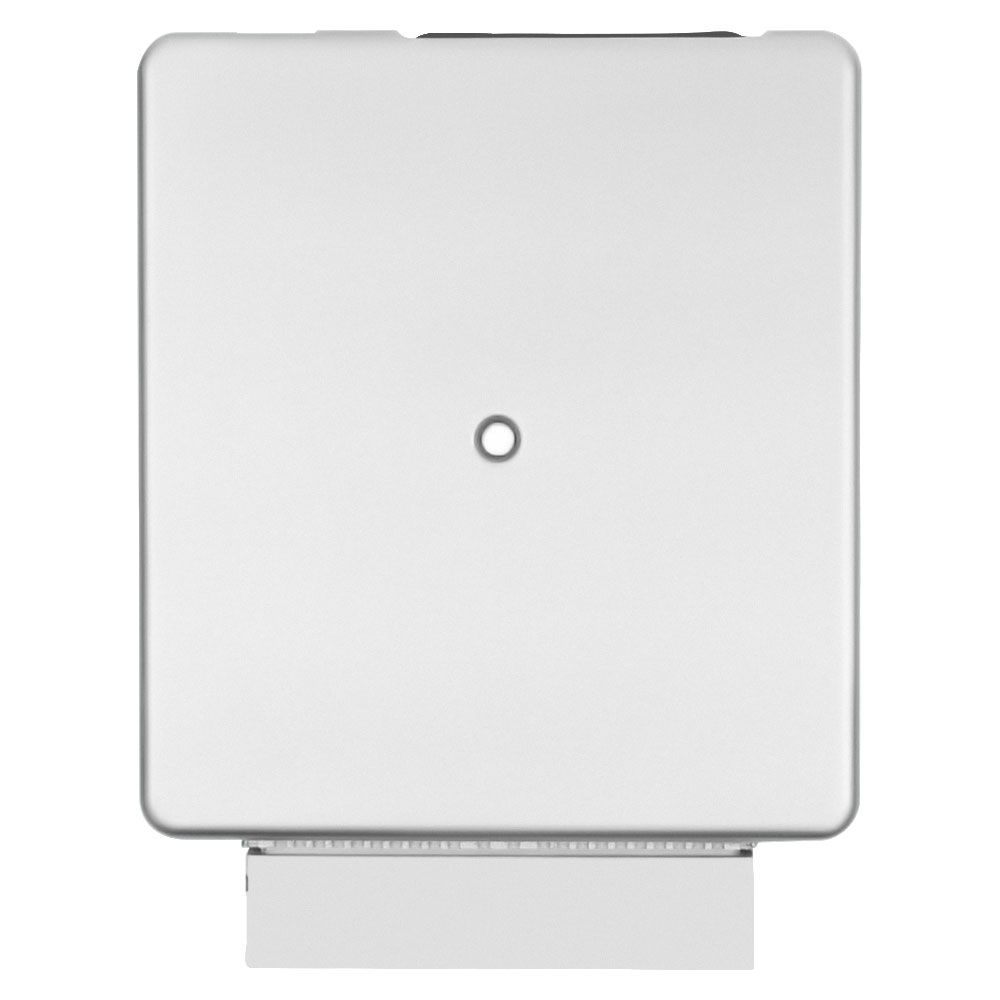
Flagship One stocks a refurbished, VIN-programmed PCM for the 1990 Ford Mustang with a lifetime warranty, free shipping and no core charge. The full Ford Mustang module lineup covers other engine configurations as well.
The engine control module in your 1990 Ford Mustang 2.3L plays a vital role in managing fuel and ignition systems, ensuring smooth operation. If you’re experiencing symptoms like stalling, no-start conditions, or poor acceleration, the ECM may be the culprit. Replacing it with a pre-programmed unit can restore your vehicle’s performance without the need for additional shop time. Addressing ECM issues promptly helps maintain your Mustang’s reliability and drivability for the long haul.