
Last updated on August 25th, 2026 at 01:41 pm
The engine control module in your 1990 Ford Aerostar manages fuel delivery, ignition timing, and emissions systems. When it fails, the vehicle may run poorly, stall unexpectedly, or refuse to start at all. This module interprets sensor data to optimize engine performance under all driving conditions.
If your 1990 Ford Aerostar has been acting up—stalling at stoplights, hesitating during acceleration, or refusing to start—its engine control module may be the culprit. This small but critical component acts as the brain of your vehicle’s powertrain, managing everything from fuel delivery to ignition timing. When it malfunctions, the symptoms can range from subtle performance issues to a complete breakdown. Replacing the module is straightforward, but the process involves more than just swapping parts. You’ll need to account for labor time, proper installation, and a relearn procedure to ensure the new unit communicates correctly with the rest of the engine. Understanding these steps helps you make informed decisions, whether you’re tackling the job yourself or working with a mechanic. A properly functioning engine computer keeps your Aerostar running smoothly, so addressing issues promptly can save you from more costly repairs down the road.
1990 Ford Aerostar 3.0L: When the
OEM programmed replacements — plug & play, no dealer visit.
Find yours by year, make & model →
Free shipping · Lifetime warranty
The engine control module in your 1990 Ford Aerostar is responsible for managing the engine’s fuel injection, ignition timing, and emissions systems. It continuously monitors data from sensors throughout the vehicle, adjusting fuel delivery and spark timing to optimize performance, fuel efficiency, and emissions compliance. Without this module, the engine would run inefficiently or fail to start altogether. Over time, exposure to heat, vibration, and electrical fluctuations may cause the module to degrade, leading to erratic behavior or complete failure. When replacement becomes necessary, you’ll need a unit that matches your vehicle’s specifications. Replacement engine computers for the Aerostar are designed to fit seamlessly and restore proper engine function, but they must be programmed to your vehicle’s VIN to ensure compatibility with its unique calibration settings.
In the 1990 Ford Aerostar, the engine control module is located inside the passenger compartment, typically mounted on the firewall or near the glove box. Accessing it requires removing a few interior panels, which adds minimal complexity to the replacement process. The labor guide estimates 1.0 hours for removing and reinstalling the module, as the job involves disconnecting the wiring harness, unbolting the old unit, and securing the new one in place. While the physical replacement is straightforward, proper installation is critical to avoid damaging the connectors or the module itself. Once the new unit is in place, the vehicle will need a relearn procedure to synchronize the module with the engine’s sensors and systems.
| Operation | Configuration | Book Time |
|---|---|---|
| Powertrain Control Module R&R | All configurations | 1.0 hr |
| Powertrain Control Module Relearn | All configurations | 0.5 hr |
| Engine Control Module Relearn | All configurations | 0.5 hr |
| Engine Control Module R&R | All configurations | 1.0 hr |
After installing a new engine control module in your 1990 Ford Aerostar, the vehicle requires a relearn procedure to ensure the module communicates correctly with the engine and transmission. This process typically takes 0.5 hours and involves resetting the module’s adaptive memory, allowing it to recalibrate to your specific engine’s characteristics. Without this step, the vehicle may experience poor performance, rough idling, or even stalling. Flagship One provides a VIN-programmed replacement unit, which arrives ready to install, eliminating the need for additional programming steps. This saves you time and ensures the module is configured to your vehicle’s exact specifications right out of the box, reducing the risk of compatibility issues or driveability concerns after installation.
When the engine control module in your 1990 Ford Aerostar begins to fail, you may notice a range of symptoms that can disrupt your driving experience. The vehicle might stall unexpectedly, particularly at idle or during low-speed driving, or it could hesitate or jerk during acceleration. Rough idling is another common sign, where the engine feels unstable or misfires at a stop. In some cases, the Aerostar may refuse to start altogether, leaving you stranded. Other symptoms include poor fuel economy, as the module struggles to optimize fuel delivery, or erratic shifting if the transmission relies on signals from the engine computer. Electrical issues, such as flickering dashboard lights or intermittent power loss, may also point to a failing module. If you’ve experienced any of these issues, it’s worth investigating the module as a potential cause, especially if other common culprits like spark plugs or fuel filters have been ruled out.
Common signs include stalling, rough idling, hesitation during acceleration, or a no-start condition. If the vehicle runs poorly despite other components like spark plugs or fuel filters being in good condition, the module may be the issue. Electrical gremlins, such as flickering lights or intermittent power loss, can also indicate a failing engine computer.
Replacing the module is a straightforward process, but it requires careful handling of electrical connections. The module is typically located inside the passenger compartment, and you’ll need basic tools to remove interior panels for access. If you’re comfortable with automotive electrical systems, you can tackle this job, but ensure you follow the relearn procedure afterward to avoid performance issues.
The relearn procedure allows the new module to synchronize with your vehicle’s sensors and systems. Without it, the engine may run poorly, idle roughly, or even stall. The process resets the module’s adaptive memory, ensuring it recalibrates to your specific engine’s characteristics. This step is critical for restoring optimal performance and driveability.
Skipping the relearn procedure may result in poor engine performance, including rough idling, hesitation, or stalling. The vehicle might also experience erratic shifting if the transmission relies on signals from the engine computer. Over time, this can lead to increased wear on other components, so it’s important to complete the procedure to ensure everything functions as intended.
Yes, a VIN-programmed module ensures compatibility with your vehicle’s specific calibration settings. Without proper programming, the module may not communicate correctly with the engine and transmission, leading to performance issues or a no-start condition. Using a pre-programmed unit saves time and eliminates the need for additional programming steps after installation.
If your 1990 Ford Aerostar is experiencing symptoms of a failing engine control module, you have options for addressing the issue. While a repair might seem cost-effective, it often provides only a temporary fix, especially if the module has sustained internal damage. A refurbished or new replacement unit, pre-programmed to your vehicle’s VIN, offers a more reliable solution. This approach ensures the module is ready to install and eliminates the need for additional programming steps, saving you time and hassle. Whether you choose to tackle the job yourself or work with a mechanic, a properly functioning module is key to restoring your Aerostar’s performance and reliability.
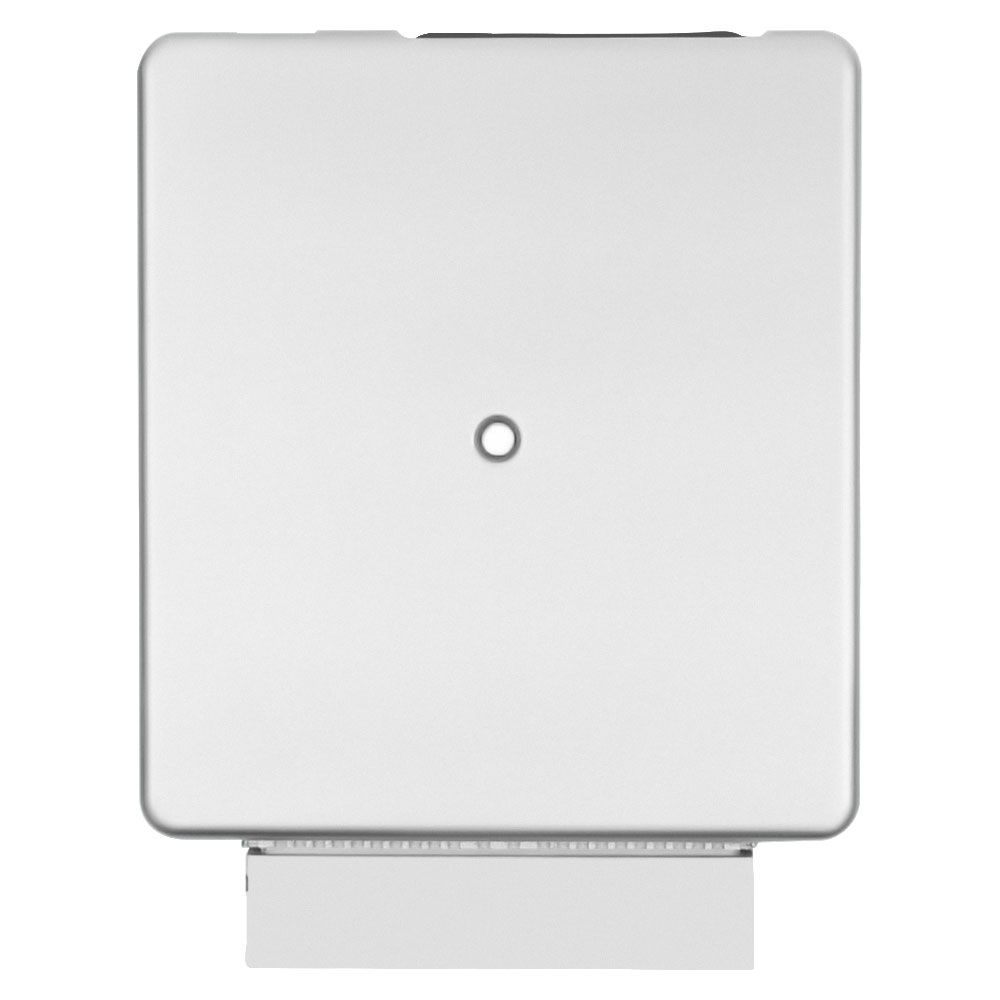
Flagship One stocks a refurbished, VIN-programmed PCM for the 1990 Ford Aerostar with a lifetime warranty, free shipping and no core charge. The full Ford Aerostar module lineup covers other engine configurations as well.
The engine control module in your 1990 Ford Aerostar plays a vital role in keeping your vehicle running smoothly. When it fails, the symptoms can range from minor annoyances to complete breakdowns, making prompt attention essential. Replacing the module is a manageable task, but it’s important to follow the correct procedures, including the relearn step, to ensure everything works as it should. With the right replacement unit and proper installation, you can restore your Aerostar’s performance and enjoy reliable driving once again.