
Last updated on August 25th, 2026 at 01:40 pm
The engine control module in your 1993 Ford Aerostar manages fuel delivery, ignition timing, and emissions systems. A failing module may cause erratic engine behavior, poor performance, or a no-start condition without triggering obvious warning signs.
If your 1993 Ford Aerostar has been running rough, stalling unexpectedly, or refusing to start, the engine control module may be the culprit. This small but critical component oversees key engine functions, and when it fails, your vehicle’s performance can suffer in noticeable ways. Replacing it involves straightforward labor, but understanding the role of the module and the steps required afterward can help you make an informed decision. Knowing what to expect—from installation to post-repair procedures—ensures your Aerostar runs reliably again without unnecessary delays.
The engine control module in your 1993 Ford Aerostar acts as the brain of the 3.0L V6 engine, regulating fuel injection, ignition timing, and emissions controls. Without it, your vehicle may struggle to start, run inefficiently, or even stall unexpectedly. Over time, these modules can degrade due to heat, vibration, or electrical issues, leading to performance problems. When replacement becomes necessary, you’ll need replacement engine computers for the Aerostar that match the original specifications. The module’s role is especially critical in distributorless ignition systems, where precise timing is essential for smooth operation.
1993 Ford Aerostar 3.0L: When the
OEM programmed replacements — plug & play, no dealer visit.
Find yours by year, make & model →
Free shipping · Lifetime warranty
The engine control module in your 1993 Ford Aerostar is typically located near the firewall or under the dashboard on the passenger side. Accessing it requires removing a few panels or covers, but the process is straightforward for most mechanics. According to factory labor estimates, replacing the module takes about 1.0 hours. There are no special tools required beyond basic hand tools, though ensuring all connectors are properly seated is important to avoid future issues. Once installed, the module must be securely fastened to prevent vibration-related damage.
| Operation | Configuration | Book Time |
|---|---|---|
| Powertrain Control Module R&R | All configurations | 1.0 hr |
| Powertrain Control Module Relearn | All configurations | 0.5 hr |
| Engine Control Module Relearn | All configurations | 0.5 hr |
| Engine Control Module R&R | All configurations | 1.0 hr |
After replacing the engine control module in your 1993 Ford Aerostar, a factory relearn procedure is often required to synchronize the new unit with the vehicle’s systems. This process typically takes about 0.5 hours and ensures proper communication between the module and the engine. However, if you opt for a VIN-programmed replacement unit, these steps are already completed, saving you time and potential hassle. The relearn procedure may involve specific ignition cycles or scan tool commands, so having the correct equipment on hand is important for a smooth transition.
A failing engine control module in your 1993 Ford Aerostar may cause a range of symptoms, including intermittent stalling, rough idling, or difficulty starting. You might also notice poor fuel economy or a lack of power during acceleration. In some cases, the vehicle may enter a limp-home mode, limiting engine performance to prevent further damage. If the module loses communication with the scan tool, diagnosing other issues becomes challenging. While these symptoms can overlap with other problems, persistent issues often point to the module, especially if no other faults are found.
Ford issued service bulletin #95-10-02 addressing issues with the Malfunction Indicator Lamp (MIL) illuminating in vehicles equipped with the distributorless ignition system. The bulletin highlights revised connector retention clips and seals for the ignition control module (ICM), as well as updated wiring procedures. These changes aim to improve reliability and prevent intermittent electrical faults that could trigger the MIL. If your Aerostar is experiencing similar symptoms, reviewing this bulletin may help identify the root cause.
| Bulletin | Subject | What It Addresses |
|---|---|---|
| 95-10-02 | “MALFUNCTION INDICATOR LAMP” (MIL) ILLUMINATED – DISTRIBUTORLESS IGNITION SYSTEM (DIS) ONLY – I | — |
Replacing the module is possible if you have basic mechanical skills and the right tools. However, the factory relearn procedure may require a scan tool or specific steps to complete. If you’re unsure, consulting a professional can help avoid potential issues.
Stalling after replacement is often due to an incomplete relearn procedure. The new module must synchronize with the vehicle’s sensors and systems, which may require specific ignition cycles or scan tool commands. A VIN-programmed unit can eliminate this step.
Common signs include stalling, rough idling, or a no-start condition. You may also notice poor fuel economy or a lack of power. If the scan tool fails to communicate with the module, that’s another strong indicator of a problem.
If your 1993 Ford Aerostar is experiencing engine control module issues, you have options. A repair may be possible in some cases, but a replacement is often the most reliable solution. Choosing a pre-programmed unit can save time and ensure compatibility with your vehicle’s systems, allowing you to get back on the road with minimal downtime.
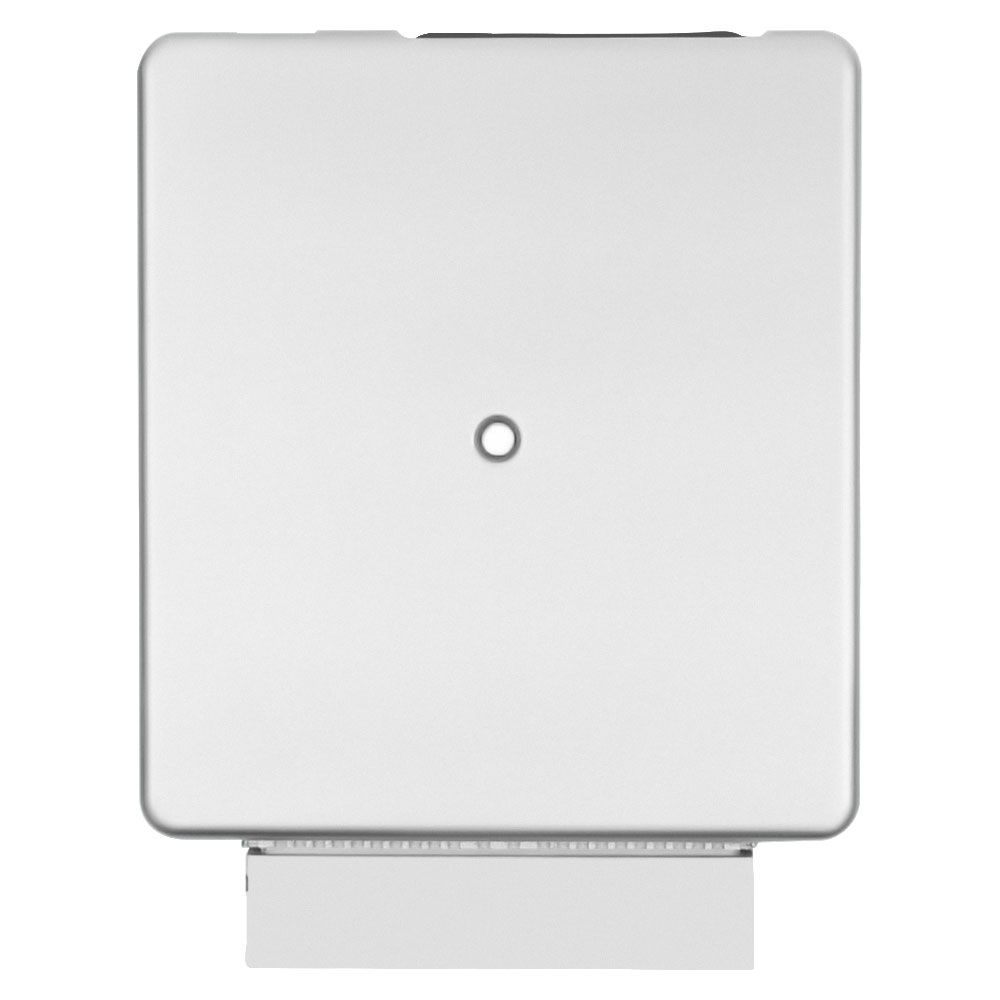
Flagship One stocks a refurbished, VIN-programmed PCM for the 1993 Ford Aerostar with a lifetime warranty, free shipping and no core charge. The full Ford Aerostar module lineup covers other engine configurations as well.
The engine control module in your 1993 Ford Aerostar plays a vital role in keeping your vehicle running smoothly. If you’re facing persistent performance issues, replacing the module with a properly programmed unit can restore reliability. Whether you tackle the job yourself or seek professional help, addressing the problem promptly will help avoid further complications down the road.