
Last updated on August 25th, 2026 at 01:15 pm
The Powertrain Control Module (PCM) in a 1996 Ford Aerostar is the main computer that manages engine fuel, ignition, and transmission operation. When it fails, the vehicle may not start, stall, or run poorly. The Engine Control Module (ECM) is essentially the same unit in this context.
If you own a 1996 Ford Aerostar with the 3.0L engine and you are experiencing driveability problems, the Powertrain Control Module (PCM) may be at fault. This electronic brain controls fuel delivery, ignition timing, and transmission shift points. When it begins to fail, the vehicle can exhibit a range of frustrating symptoms that are often misdiagnosed as other issues. Understanding what the PCM does, where it is located, and what replacement involves can save you time and money. This guide covers the essential facts about PCM and ECM replacement for your Aerostar, including the labor times, factory-recommended procedures, and how a pre-programmed replacement unit from Flagship One simplifies the job. You will learn the common failure signs, the relevant service bulletins, and practical steps to protect the module from future damage. Whether you are a DIY owner or a professional mechanic, the information here is based on documented service data and real-world experience with this specific vehicle.
The Powertrain Control Module (PCM) in the 1996 Ford Aerostar is the central computer that integrates engine and transmission management. It receives input from sensors such as the oxygen sensor, throttle position sensor, and crankshaft position sensor, then adjusts fuel injector pulse width, spark timing, and transmission shift solenoids to maintain optimal performance and emissions. In this vehicle, the PCM also controls the OBD II diagnostic system, storing trouble codes when a fault is detected. A failing PCM can cause the engine to run rich or lean, misfire, or fail to start altogether. Because the Aerostar is a rear-wheel-drive minivan with a longitudinal engine layout, the PCM is particularly sensitive to voltage spikes and heat from the engine bay. When you need a replacement, you are looking for replacement PCMs for the 1996 Ford Aerostar that are specifically calibrated for the 3.0L engine and the vehicle’s VIN. Using the correct module ensures that the fuel and spark maps match the original factory settings, preserving driveability and fuel economy.
1996 Ford Aerostar
OEM programmed ECM for your 1996 Ford Aerostar — plug & play, no dealer visit.
Free shipping · Lifetime warranty
The PCM in the 1996 Ford Aerostar is typically mounted inside the passenger compartment, often behind the right-side kick panel or under the dashboard near the glove box. Access may require removing a trim piece or carpet retainer. The factory book time for removal and replacement (R&R) of the Powertrain Control Module is 1.0 hour. The same time applies to the Engine Control Module, as they are the same unit. After installation, the factory specifies a 0.5-hour relearn procedure that involves driving the vehicle under various conditions so the PCM can adapt to the engine’s wear and sensor tolerances. This relearn is essential for proper idle quality, fuel trim, and transmission shift feel. No special tools are required beyond basic hand tools and a scan tool to confirm the module is communicating.
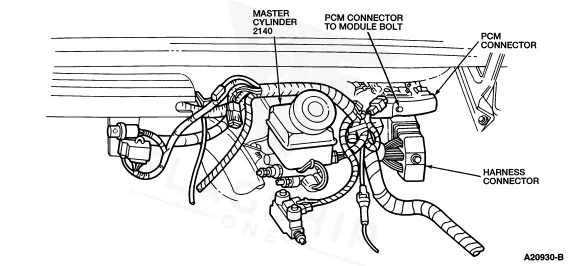
Work with the ignition off, and treat the module as static-sensitive: avoid touching the connector pins at any point.
| Operation | Configuration | Book Time |
|---|---|---|
| Powertrain Control Module R&R | All configurations | 1.0 hr |
| Powertrain Control Module Relearn | All configurations | 0.5 hr |
| Engine Control Module Relearn | All configurations | 0.5 hr |
| Engine Control Module R&R | All configurations | 1.0 hr |
The factory procedure for a new PCM in the 1996 Ford Aerostar requires a post-installation relearn drive. According to the service information, you must drive the vehicle to allow the PCM to relearn values for optimum driveability and performance. This typically involves a series of accelerations, decelerations, and idle periods so the module can adapt fuel trims and transmission shift adapts. However, when you purchase a VIN-programmed replacement unit from Flagship One, the module arrives with the correct calibration already loaded. That means the PCM is ready to communicate with your vehicle’s sensors and actuators immediately. The factory relearn drive is still recommended to fine-tune adaptive values, but the module will start and run the engine without the need for a dealer visit or proprietary scan tool. This saves you the 0.5-hour relearn labor charge and gets your Aerostar back on the road faster.
A failing PCM in the 1996 Ford Aerostar can produce a wide range of symptoms that mimic other component failures. The most common sign is a no-start condition where the engine cranks but does not fire, often because the PCM is not sending injector pulse or spark timing signals. Intermittent stalling while driving is another frequent complaint, especially when the module overheats or loses power. You may also notice poor fuel economy, rough idle, hesitation during acceleration, or a check engine light that stays on. Transmission shifting problems, such as harsh shifts, delayed engagement, or failure to shift out of first gear, can also point to a faulty PCM because it controls the shift solenoids. In some cases, the vehicle may run but with a noticeable misfire or surging. If you have already replaced sensors and the issue persists, the PCM should be considered. A scan tool may show communication errors or no response from the module, confirming the diagnosis.
Three factory service bulletins apply to the 1996 Ford Aerostar PCM. TSB 97-09-08 provides service procedures and tips for reprogramming the Powertrain Control Module. TSB 99-04-03 covers out-of-vehicle reprogramming of PCMs for EEC V vehicles, which includes the Aerostar. TSB 01-09-07 offers service tips for the heated oxygen sensor, catalyst, and fuel system monitors on OBD II vehicles. These bulletins indicate that Ford recognized the need for updated calibrations and diagnostic guidance for this model.
| Bulletin | Subject | What It Addresses |
|---|---|---|
| 97-09-08 | POWERTRAIN CONTROL MODULE – REPROGRAM POWERTRAIN CONTROL MODULE (PCM) – SERVICE PROCEDURES – SE | — |
| 99-04-03 | EEC V VEHICLES ONLY – OUT-OF-VEHICLE – REPROGRAMMING POWERTRAIN CONTROL MODULES (PCMS) | — |
| 01-09-07 | DRIVEABILITY – HO2S (HEATED OXYGEN SENSOR), CATALYST, AND FUEL SYSTEM MONITORS – OBD II VEHICLE | — |
Common signs include a no-start condition, stalling, poor fuel economy, rough idle, and transmission shifting issues. A scan tool may show no communication with the PCM or store codes like P0601. If you have replaced sensors without success, the PCM is likely the cause.
Yes, the replacement is straightforward with basic hand tools. The book time is 1.0 hour. You will need to disconnect the battery, remove the old module, and install the new one. After installation, the factory recommends a 0.5-hour relearn drive to adapt the module to your engine.
In this vehicle, the Powertrain Control Module (PCM) and Engine Control Module (ECM) refer to the same unit. Ford uses the term PCM for the combined engine and transmission controller. The ECM is an older term that is sometimes used interchangeably.
A new PCM from the dealer must be programmed with the vehicle’s VIN and calibration. However, Flagship One supplies VIN-programmed units that are ready to install. The factory relearn drive is still recommended but the module will start and run immediately.
Three TSBs are relevant: 97-09-08 covers PCM reprogramming procedures, 99-04-03 addresses out-of-vehicle reprogramming for EEC V vehicles, and 01-09-07 provides service tips for OBD II monitors. These bulletins show that Ford issued updates for this model.
When your 1996 Ford Aerostar needs a new PCM, you have two options: have a dealer install a blank module and program it, or choose a refurbished unit that is pre-programmed to your VIN. The latter saves the 0.5-hour relearn labor and avoids a trip to the dealership. Flagship One offers such units, tested and ready to install, specifically for the 3.0L Aerostar.
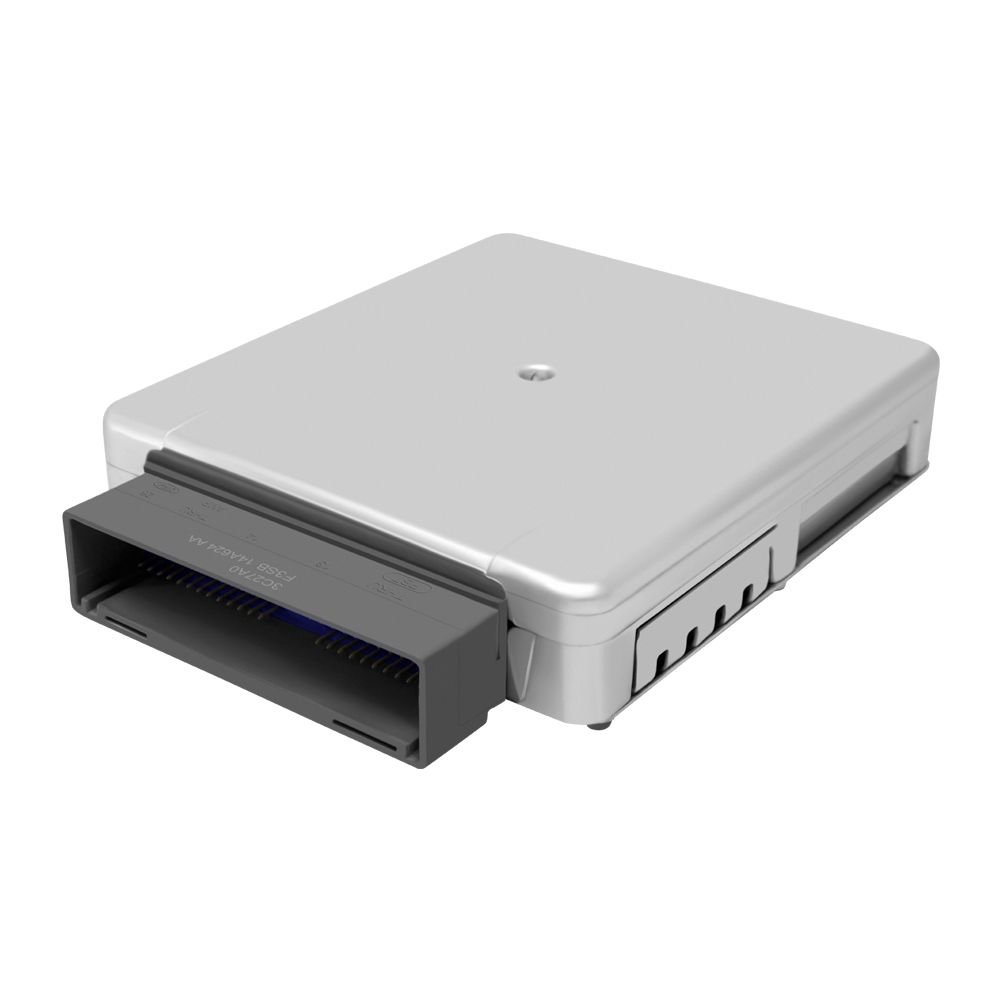
Flagship One stocks a refurbished, VIN-programmed PCM for the 1996 Ford Aerostar with a lifetime warranty, free shipping and no core charge. The full Ford Aerostar module lineup covers other engine configurations as well.
The PCM is a critical component in your 1996 Ford Aerostar, and understanding its function, failure symptoms, and replacement process helps you make an informed repair decision. With a VIN-programmed replacement unit, you can restore driveability without the factory relearn drive. Keep your Aerostar running reliably by addressing PCM issues promptly and following the prevention tips outlined here.