
Last updated on August 25th, 2026 at 01:45 pm
The Engine Control Module (ECM) in your 2013 Nissan Titan manages fuel injection, ignition timing, and emissions systems. Failures may cause drivability issues, poor performance, or complete engine shutdown. Internal faults like corrupted memory often trigger diagnostic trouble codes.
If your 2013 Nissan Titan has been stalling, refusing to start, or throwing cryptic engine codes, the Engine Control Module (ECM) may be the culprit. This small but critical computer manages everything from fuel delivery to ignition timing, and when it fails, your truck’s performance suffers. Replacing it isn’t just about swapping a part—it involves precise labor, factory programming steps, and careful handling to avoid damaging the new module. Understanding the process helps you make informed decisions, whether you’re diagnosing symptoms or considering a replacement. You’ll learn what the ECM does, where it’s located, how replacement works, and what to expect if yours fails. With the right approach, you can restore your Titan’s reliability without unnecessary hassle.
The Engine Control Module in your 2013 Nissan Titan acts as the brain of the engine, continuously monitoring sensors and adjusting fuel, air, and spark to keep everything running smoothly. It ensures optimal performance, fuel efficiency, and emissions compliance by interpreting data from the oxygen sensors, throttle position sensor, and other inputs. When the ECM malfunctions, your truck may experience rough idling, misfires, or even a complete no-start condition. Unlike generic replacement engine computers for the Titan, this module is tailored specifically to the 5.6L V8’s requirements, making compatibility essential. A failed ECM doesn’t always mean total replacement—sometimes a reflash or relearn procedure can resolve issues, but persistent internal faults often require a new unit. Given its role in managing critical engine functions, a properly functioning ECM is non-negotiable for reliable operation.
2013 Nissan Titan
OEM programmed ECM for your 2013 Nissan Titan — plug & play, no dealer visit.
Free shipping · Lifetime warranty
The ECM in your 2013 Nissan Titan is mounted inside the engine bay, typically near the firewall or under the dashboard on the passenger side. Accessing it requires removing the plastic cover and possibly the air intake duct to reach the module’s mounting bolts. Replacement involves disconnecting the battery, unplugging the wiring harness, and carefully removing the old unit. The labor time for Engine Control Module R&R is 1.4 hours, according to factory estimates. Once the new module is installed, the wiring harness is reconnected, and the battery is restored. Torque specifications for the mounting bolts aren’t always published, but over-tightening may damage the module’s housing, so following service manual guidelines is recommended. The Powertrain Control Module, if present, follows a similar process but may require 1.8 hours of labor due to its location.
| Operation | Configuration | Book Time |
|---|---|---|
| Powertrain Control Module R&R | All configurations | 1.8 hr |
| Powertrain Control Module Relearn | All configurations | 0.5 hr |
| Engine Control Module R&R | All configurations | 1.4 hr |
| Engine Control Module Relearn | All configurations | 0.5 hr |
After replacing the ECM in your 2013 Nissan Titan, the factory procedure requires a 0.5-hour relearn process to synchronize the module with the vehicle’s sensors and immobilizer system. This step ensures the engine starts and runs correctly, as the ECM must recognize the VIN and adapt to the truck’s specific configuration. Without this procedure, your Titan may fail to start or run poorly. Flagship One units arrive with a VIN-programmed replacement unit, meaning the relearn steps are already completed before shipment. This eliminates the need for additional programming at the shop, saving you time and potential diagnostic headaches. However, if you’re installing a used or non-programmed module, the relearn process becomes critical to avoid drivability issues. Always confirm the module’s programming status before installation to prevent unnecessary delays.
When the ECM in your 2013 Nissan Titan begins to fail, symptoms often start subtly before escalating. You might notice the engine idling roughly, hesitating during acceleration, or stalling unexpectedly. In some cases, the truck may refuse to start altogether, leaving you stranded. Misfire codes or generic powertrain faults may appear on your scan tool, though these can sometimes point to other issues like spark plugs or fuel injectors. A dead scan tool connection—where the tool fails to communicate with the ECM—is a strong indicator of module failure. Shifting issues, particularly in automatic transmissions, may also arise if the ECM isn’t sending correct signals to the transmission control module. One specific fault tied to internal ECM failures is internal control module read-only memory error, which suggests the module’s memory has become corrupted. If you’re experiencing any of these symptoms, prompt diagnosis is key to avoiding further damage or inconvenience.
The 2013 Nissan Titan’s ECM may log specific internal trouble codes when it detects faults in its own circuitry or memory. These codes often point to issues that require module replacement rather than repairs. Below is the documented code for this vehicle’s ECM.
| Code | Meaning | Full Guide |
|---|---|---|
| P0605 | Internal ROM error | Full P0605 guide → |
Intermittent stalling in your Titan may stem from several issues, including a failing ECM. The module controls fuel and ignition timing, so if it’s sending incorrect signals, the engine may cut out unexpectedly. Other potential causes include faulty sensors or fuel delivery problems, but an ECM failure often triggers specific trouble codes like P0605. A diagnostic scan can help pinpoint the issue.
Distinguishing between an ECM failure and a wiring issue requires a systematic approach. Start by checking for loose or corroded connectors at the ECM and ground points. If the wiring appears intact, use a scan tool to check for communication with the module. A dead scan tool connection often indicates ECM failure, while intermittent codes may suggest wiring problems. Voltage tests at the ECM connectors can also help isolate the issue.
While your Titan may still run with a P0605 code, driving with this fault isn’t recommended. The code indicates an internal ECM memory error, which can lead to unpredictable behavior like stalling or poor performance. Ignoring it may result in further damage or a no-start condition. Addressing the issue promptly ensures reliable operation and prevents potential breakdowns.
In your 2013 Nissan Titan, the ECM (Engine Control Module) and PCM (Powertrain Control Module) serve distinct but related functions. The ECM focuses on engine management, while the PCM may integrate transmission control. Replacement procedures differ slightly: ECM R&R typically takes 1.4 hours, while PCM R&R may require 1.8 hours due to its location. Both require a 0.5-hour relearn procedure after installation.
Replacing the ECM in your Titan is technically possible for a skilled DIYer, but it’s not without risks. The process involves disconnecting the battery, removing the module, and ensuring proper reconnection. However, improper handling can damage the new module or cause electrical issues. Additionally, the factory relearn procedure requires specialized tools and knowledge. If you’re not experienced with automotive electronics, having a professional perform the replacement is often the safer choice.
If your 2013 Nissan Titan is showing signs of ECM failure, you have options. A repair shop can diagnose and replace the module, but labor costs and programming time can add up quickly. Alternatively, a refurbished or new replacement unit from Flagship One arrives pre-programmed to your VIN, eliminating the need for additional shop time. This approach can save you money while ensuring your Titan gets back on the road reliably. Consider your budget, timeline, and comfort level with DIY repairs when deciding the best path forward.
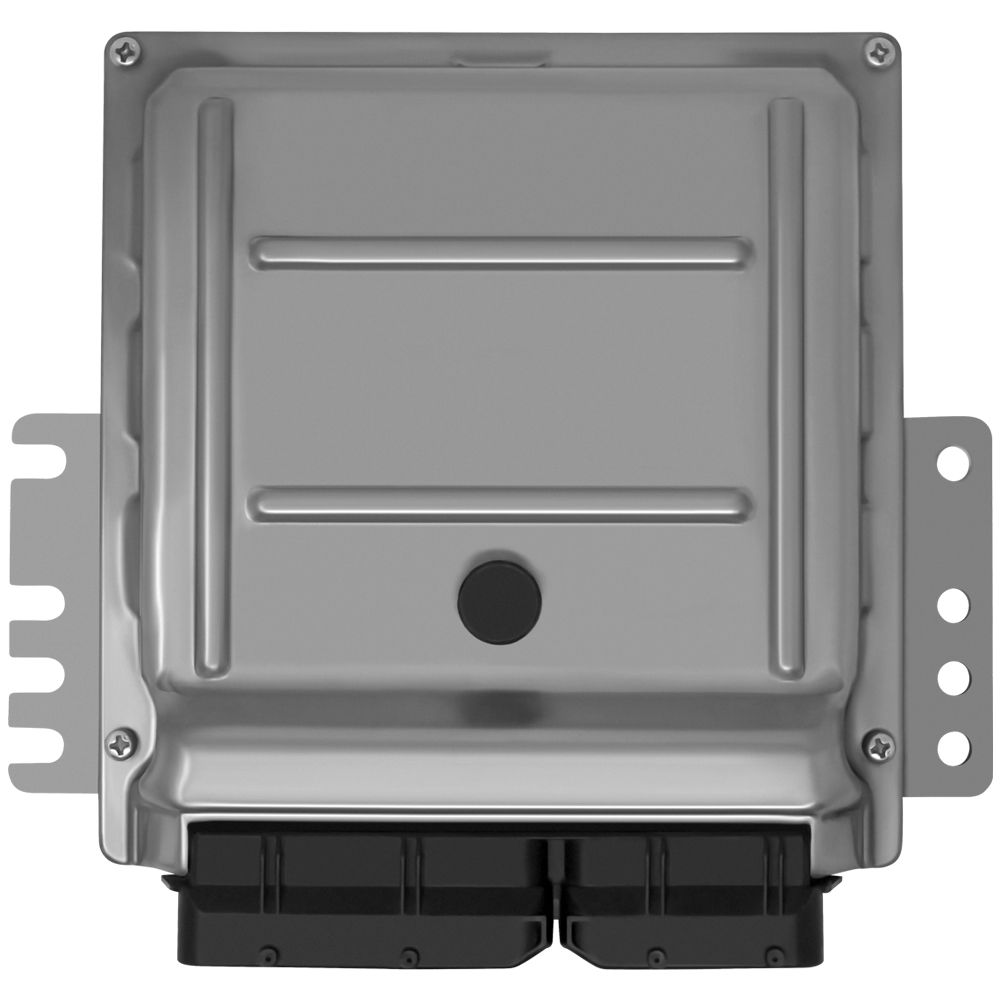
Flagship One stocks a refurbished, VIN-programmed PCM for the 2013 Nissan Titan with a lifetime warranty, free shipping and no core charge. The full Nissan Titan module lineup covers other engine configurations as well.
The ECM in your 2013 Nissan Titan plays a critical role in keeping your engine running smoothly. When it fails, symptoms like stalling, no-start conditions, or trouble codes can disrupt your daily routine. Understanding the replacement process, labor times, and programming requirements helps you make informed decisions. Whether you opt for a shop repair or a pre-programmed replacement unit, addressing ECM issues promptly ensures your Titan remains dependable for years to come.