
Last updated on August 25th, 2026 at 01:44 pm
The Powertrain Control Module (PCM) and Engine Control Module (ECM) in your 2015 Nissan Titan are the primary computers managing engine operation, transmission shifting, and fuel delivery. When these units fail internally, they can cause drivability issues, trigger diagnostic codes, and leave the vehicle inoperable.
If your 2015 Nissan Titan has developed starting problems, runs poorly, or stores diagnostic codes that cannot be cleared, the issue may lie within one of its control modules. The Powertrain Control Module and Engine Control Module serve as the brain of your vehicle’s engine and transmission systems, and when these units experience internal failures, the results can range from subtle drivability complaints to complete no-start conditions. This guide explains what these modules do, where they are located, the labor involved in replacement, and what you need to know about programming a new unit into your Titan. Whether you are diagnosing a check engine light or planning a repair, understanding the role of these computers helps you make informed decisions about your vehicle’s repair path. The information here covers factory labor times, common failure symptoms, and practical guidance for owners facing this type of drivability concern.
The 2015 Nissan Titan uses two interconnected control modules to manage its 5.6L V8 engine and automatic transmission. The Engine Control Module (ECM) monitors and controls fuel injection, ignition timing, idle speed, emissions systems, and various engine sensors. The Powertrain Control Module (PCM) handles transmission shifting, torque converter clutch engagement, and integrates with the ECM to coordinate overall powertrain operation. In this generation of Titan, the ECM and PCM may be integrated into a single unit or function as paired modules depending on your specific configuration. These modules communicate through the Controller Area Network (CAN) bus, sharing data with the instrument cluster, anti-lock brake system, and other body electronics. When either module suffers an internal failure, the result is often a stored trouble code and one or more symptoms affecting drivability. The factory service manual explicitly warns against using the ECM ground terminals for voltage measurements, as improper probing can damage the module’s internal transistor and cause immediate failure. This caution highlights the delicate nature of these electronic control units and why professional diagnosis is essential before replacing components. Understanding what these modules control helps explain why replacement engine computers for the Titan must be programmed correctly to resume operation.
2015 Nissan Titan
OEM programmed ECM for your 2015 Nissan Titan — plug & play, no dealer visit.
Free shipping · Lifetime warranty
The ECM and PCM on the 2015 Nissan Titan are typically located in the engine compartment, often mounted on the firewall or near the battery box on the driver’s side. Access requires removing surrounding components such as the air intake duct, battery cables, and any trim panels that obstruct the module mounting bracket. The modules are housed in sealed electrical enclosures with multi-pin connectors linking them to the vehicle wiring harness. Replacement involves disconnecting the battery, removing the old module from its mounting location, transferring any mounting hardware or brackets to the new unit, and reconnecting all electrical connectors. According to factory labor guides, the PCM removal and reinstallation requires approximately 1.8 hours of book time, while the ECM removal and reinstallation requires approximately 1.4 hours. After the physical installation, a relearn procedure must be performed to allow the new module to establish communication with the vehicle’s sensors and other control modules. Each relearn procedure adds roughly 0.5 hours to the total labor time. The exact location may vary slightly depending on whether your Titan is equipped with a single integrated unit or separate ECM and PCM assemblies.
| Operation | Configuration | Book Time |
|---|---|---|
| Powertrain Control Module R&R | All configurations | 1.8 hr |
| Powertrain Control Module Relearn | All configurations | 0.5 hr |
| Engine Control Module R&R | All configurations | 1.4 hr |
| Engine Control Module Relearn | All configurations | 0.5 hr |
After installing a replacement control module in your 2015 Nissan Titan, the factory procedure requires a relearn or initialization process so the new unit can establish proper communication with the engine sensors, transmission, and other vehicle systems. This procedure typically involves using a scan tool to initiate the module reset, allowing the computer to learn idle air volume, fuel trim values, and transmission adaptive shift points specific to your vehicle. The relearn process ensures that the new module operates correctly with your engine’s unique characteristics and that all diagnostic monitors enter ready status for emissions testing. Without completing this step, the vehicle may run poorly, exhibit shifting irregularities, or store additional trouble codes. However, when you purchase a replacement unit from Flagship One, the module arrives pre-programmed with your specific Vehicle Identification Number, meaning the essential programming has already been completed before the part ships. This a VIN-programmed replacement unit arrives ready to install, and while you may still need to perform the relearn procedure to finalize adaptation values, the dealer programming wait time and associated costs are eliminated. The result is a smoother repair process with less downtime and no need for additional programming appointments.
When the ECM or PCM in a 2015 Nissan Titan fails internally, the symptoms can vary depending on which module is affected and the nature of the internal fault. A no-start condition is common when the control module loses the ability to manage fuel delivery or ignition, leaving the engine cranking without firing. Stalling and rough idle often develop when the module cannot maintain proper fuel trim or idle air control, causing the engine to die at stops or run erratically at idle. Misfire codes such as P0300 (random/multiple cylinder misfire) or specific cylinder misfires frequently appear because the failed module cannot properly fire the fuel injectors or control ignition timing. In some cases, the scan tool may not communicate with the module at all, leaving technicians with a dead connection and no access to diagnostic data. Transmission shifting problems can also occur when the PCM portion of the unit fails, resulting in harsh shifts, delayed engagement, or the transmission defaulting to limp mode. The presence of internal memory failure specifically indicates an internal EEPROM error within the control module, a故障 that typically requires replacement rather than repair. Other symptoms may include illuminated warning lights that persist despite clearing codes, intermittent electrical glitches, and power steering or brake steering torque message warnings on newer Titans.
The 2015 Nissan Titan may store module-internal trouble codes when the ECM or PCM experiences internal failures. These codes differ from standard powertrain codes because they indicate a fault within the control module itself rather than a problem with external sensors or wiring. One such code documented for this vehicle is P0605, which signals an internal memory or EEPROM failure within the control module. When this code appears, it typically means the module cannot reliably store or retrieve calibration data, rendering it unfit for operation. Understanding these module-internal codes helps distinguish between sensor or wiring issues that may be repairable and actual module failures that require replacement.
| Code | Meaning | Full Guide |
|---|---|---|
| P0605 | Internal ROM error | Full P0605 guide → |
A used PCM from another vehicle will require dealer-level programming to match your specific VIN and configuration. This process can be expensive and time-consuming, and there is no guarantee the used unit will not have the same internal failure that caused the original to be removed.
Disconnecting the battery may clear the code temporarily, but if the internal EEPROM failure is genuine, the code will return once the module attempts to access the corrupted memory area. Replacement of the faulty module is usually required for a permanent fix.
The 2015 Titan may require calibration updates or parameter resets after ECM replacement, particularly if the new unit is from a different production period. A scan tool capable of Nissan diagnostics can check for available updates and complete any required initialization procedures.
Checking your specific model’s wiring diagram or consulting a Nissan service manual reveals whether your Titan uses integrated or separate modules. The diagnostic trouble code description and module location can also provide clues during diagnosis.
Improper testing procedures, such as probing ECM ground terminals with a voltmeter as the factory warns against, can damage the internal transistor and cause immediate module failure. Always follow proper diagnostic procedures and avoid using the module itself as a measurement point.
If your 2015 Nissan Titan has been diagnosed with a failed ECM, PCM, or both, you have two primary repair paths. You can pursue a genuine Nissan dealership replacement, which includes new parts with full warranty coverage but requires dealer programming and potentially longer wait times. Alternatively, a refurbished replacement unit from Flagship One arrives pre-programmed with your VIN, allowing for faster installation and reducing the need for dealer programming appointments. Consider your budget, timeline, and warranty preferences when choosing between these options for your Titan’s control module repair.
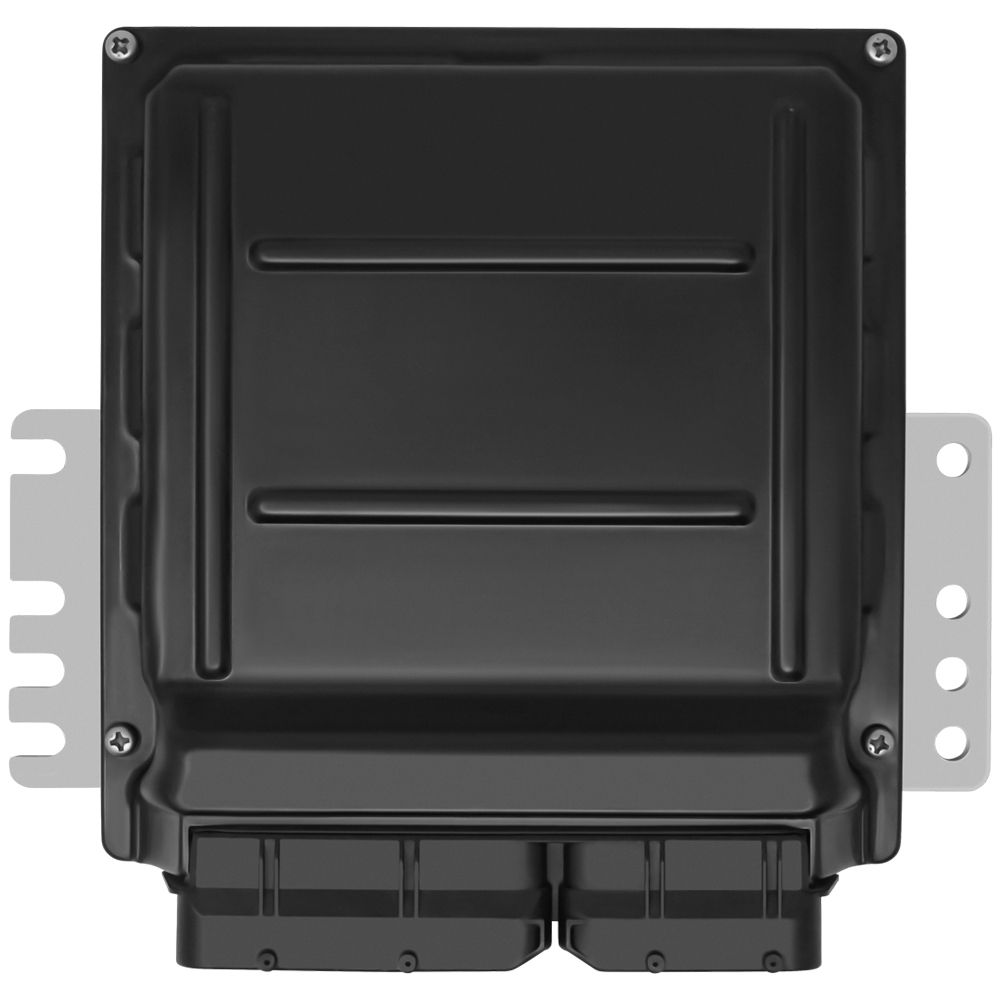
Flagship One stocks a refurbished, VIN-programmed PCM for the 2015 Nissan Titan with a lifetime warranty, free shipping and no core charge. The full Nissan Titan module lineup covers other engine configurations as well.
The 2015 Nissan Titan relies on its ECM and PCM to manage the 5.6L engine and transmission, and when these modules fail, the vehicle may not run properly or at all. Understanding the labor involved, the programming requirements, and the factory cautions helps you approach this repair with realistic expectations. Whether you choose dealer replacement or a pre-programmed unit from Flagship One, addressing the failure promptly restores your Titan’s drivability and ensures reliable operation for years to come.