
Last updated on August 25th, 2026 at 01:46 pm
In the 2011 Nissan Quest, the Powertrain Control Module and Engine Control Module manage engine timing, fuel delivery, and transmission shift strategy. A malfunction typically triggers internal fault codes and can disrupt communication with diagnostic tools, leading to loss of driveability and possible stalling.
When a 2011 Nissan Quest begins to exhibit irregular performance, such as hesitation, unexpected stalls, or an inability to start, the vehicle’s control computers are often the first suspects. The Powertrain Control Module (PCM) and Engine Control Module (ECM) act as the brain of the powertrain, interpreting sensor data and issuing commands to keep the engine and transmission synchronized. Understanding how these modules function, where they reside, and what the factory expects after replacement can help you decide whether a repair or a refurbished swap is the most efficient path. This guide walks you through the role of each module, typical failure signs, the exact labor steps required for removal and installation, and the programming considerations that ensure a seamless return to reliable operation.
The PCM in the 2011 Nissan Quest oversees both engine and transmission functions, translating sensor inputs into precise fuel injection and shift timing. Meanwhile, the ECM focuses on engine‑specific tasks, handling ignition timing, emissions control, and idle regulation. Together, they maintain smooth acceleration, optimal fuel economy, and compliance with emissions standards. When either unit loses internal communication, the vehicle may revert to limp mode or refuse to start. Proper operation is essential for the Quest’s V6 power delivery and automatic transmission coordination. Replacement modules are interchangeable, and you may encounter replacement engine modules when sourcing a new unit, ensuring compatibility with the vehicle’s wiring harness and control architecture.
2011 Nissan Quest Powertrain and
OEM programmed replacements — plug & play, no dealer visit.
Find yours by year, make & model →
Free shipping · Lifetime warranty
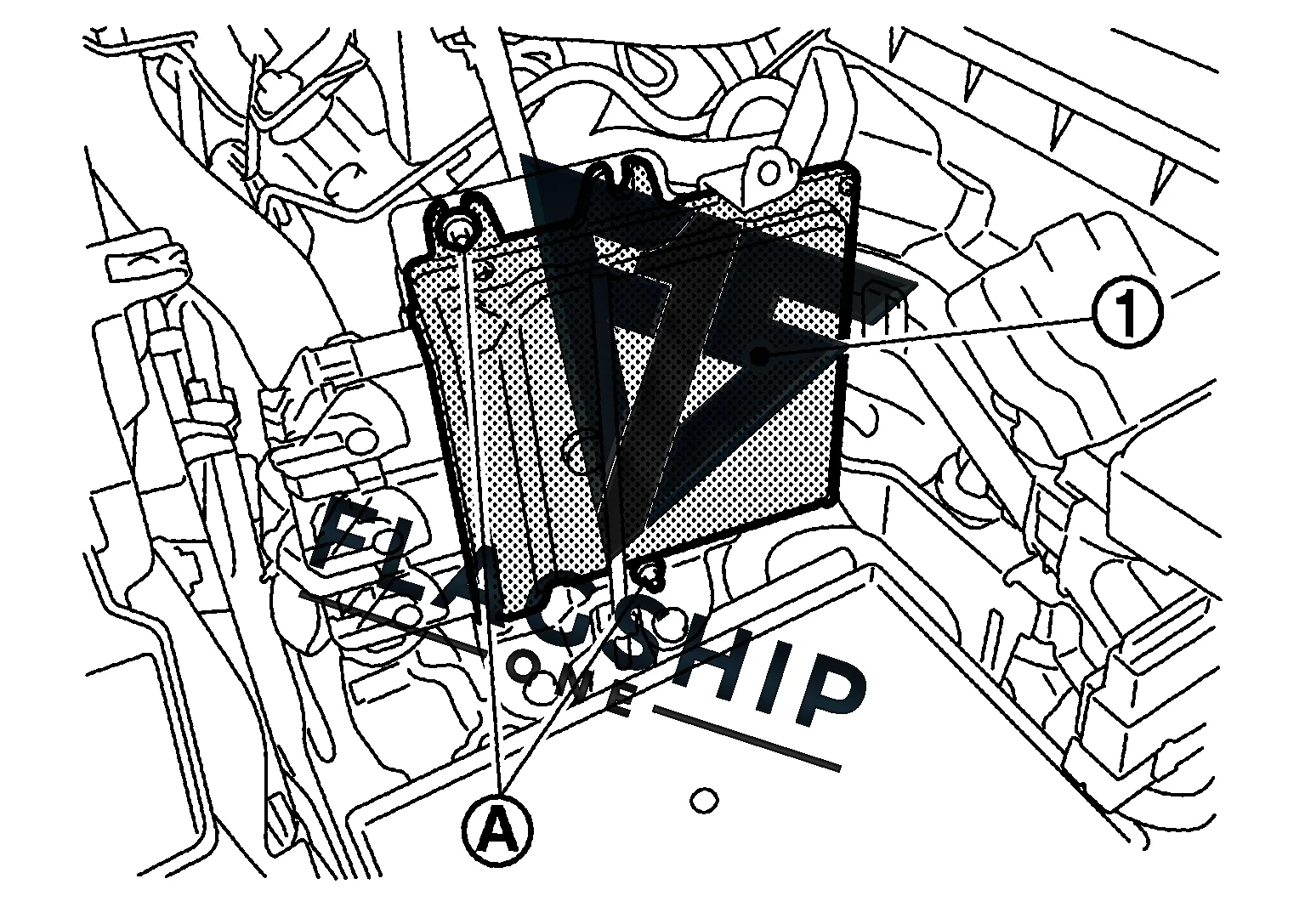
Both the PCM and ECM are mounted within the engine compartment of the 2011 Nissan Quest, typically attached to the firewall or near the intake manifold. Removal begins with disconnecting the negative battery cable to protect electronics, followed by unplugging the harnesses and unscrewing the mounting bolts. The labor guide assigns 1.8 hours for each module’s removal and reinstall, reflecting the time needed to access the fasteners, handle the connectors, and verify torque specifications. After the ECM is installed, an additional 0.5‑hour relearn procedure is required to synchronize the engine control parameters with the vehicle’s existing sensors. The process concludes with a functional scan to confirm that no residual codes remain and that communication with the diagnostic port is restored.
| Operation | Configuration | Book Time |
|---|---|---|
| Powertrain Control Module R&R | All configurations | 1.8 hr |
| Engine Control Module R&R | All configurations | 1.8 hr |
| Engine Control Module Relearn | All configurations | 0.5 hr |
Factory service procedures dictate that after a PCM or ECM swap, the new unit must be programmed to match the vehicle’s VIN, calibration data, and emission settings. Flagship One supplies units that arrive already VIN‑programmed, so the typical post‑install steps—loading calibration files and performing a flash—are already completed. This eliminates the need for a separate programming session, allowing you to focus on the mechanical reinstall and final verification. The pre‑programmed replacement ensures that the Quest’s powertrain operates with the correct software maps, reducing the risk of drivability issues after the swap. A quick scan after installation confirms that the unit is correctly recognized by the vehicle’s onboard diagnostics.
Every VIN-programmed replacement unit from Flagship One arrives with these steps already completed.
A failing PCM or ECM in a 2011 Nissan Quest may manifest as a no‑start condition, rough idle, or intermittent power loss. Drivers often report stalling at low speeds, unexpected transmission shifts, or a complete loss of engine power while cruising. Diagnostic trouble codes frequently appear, with the internal fault internal processor fault indicating a communication breakdown within the module. In addition, the scan tool may lose connection, showing dead or fluctuating data streams. These symptoms can also be accompanied by illuminated warning lights, such as the check engine or transmission malfunction indicators, prompting a deeper inspection of the control electronics.
The following internal trouble codes have been recorded for the 2011 Nissan Quest and relate directly to the PCM and ECM functions.
| Code | Meaning | Full Guide |
|---|---|---|
| P0605 | Internal ROM error | Full P0605 guide → |
The factory labor guide lists 1.8 hours for removing and reinstalling the Powertrain Control Module on this model.
Yes, the Engine Control Module needs a relearn process that takes about 0.5 hours to synchronize engine parameters.
Code P0605 signals an internal processor communication error within the control module, often requiring replacement.
Flagship One units arrive pre‑programmed to the vehicle’s VIN, so the usual flash and calibration steps are already completed.
If you follow proper safety procedures—disconnecting the battery, handling connectors carefully, and observing torque specs—you can perform the swap, but professional verification is recommended.
When the PCM or ECM fails in your 2011 Nissan Quest, you can choose a factory‑new repair or a refurbished replacement. Both options restore the vehicle’s control logic, but a refurbished unit from Flagship One arrives VIN‑programmed, saving you the programming step and reducing overall downtime.
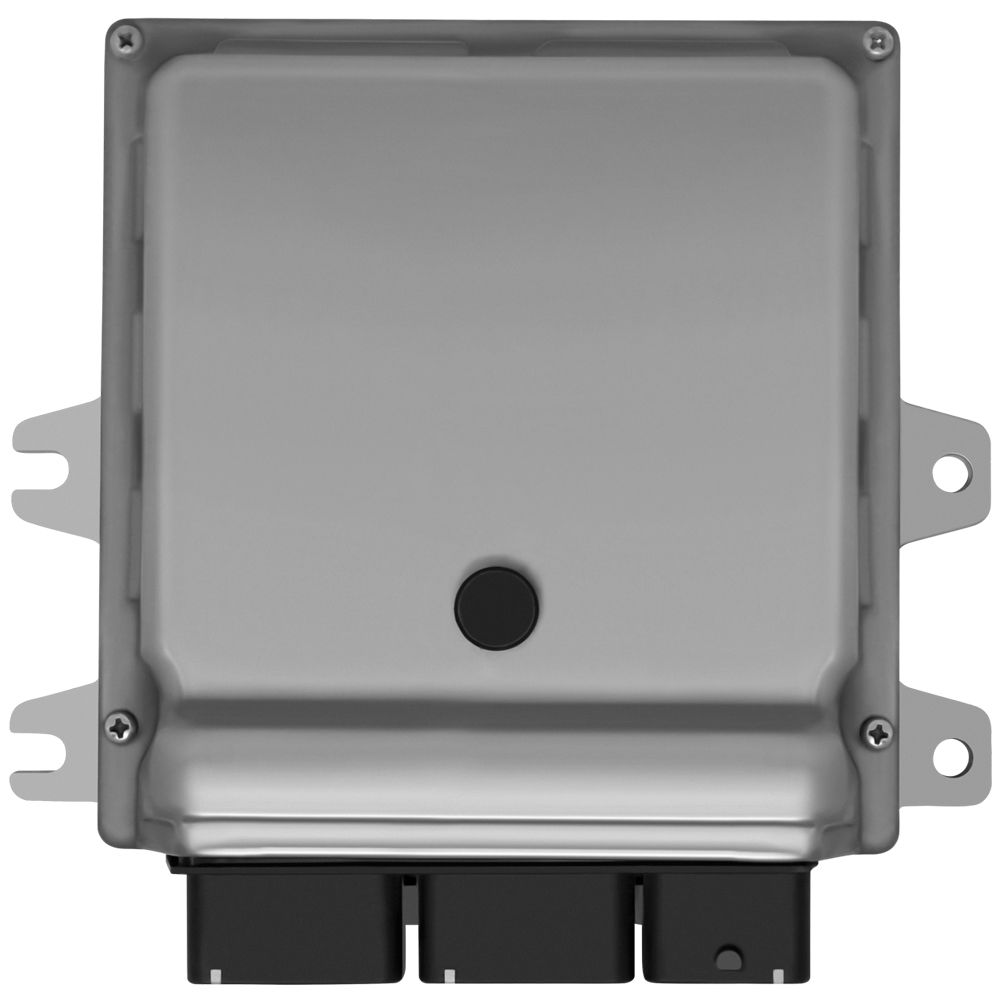
Flagship One stocks a refurbished, VIN-programmed PCM for the 2011 Nissan Quest with a lifetime warranty, free shipping and no core charge. The full Nissan Quest module lineup covers other engine configurations as well.
A malfunctioning Powertrain or Engine Control Module can leave a 2011 Nissan Quest stranded, but understanding the repair process and using a pre‑programmed replacement helps you get back on the road quickly. Consider your options and choose the solution that fits your schedule and budget.