
Last updated on August 25th, 2026 at 01:51 pm
The Engine Control Module in a 2008 Nissan Quest manages fuel delivery, ignition timing, and emission controls. When the ECM fails, the vehicle may lose power, run roughly, or store internal fault codes, disrupting normal operation of the powertrain.
When a 2008 Nissan Quest begins to exhibit intermittent power loss, rough idle, or a persistent check‑engine light, the Engine Control Module may be at fault. Understanding what the ECM does, how it is accessed, and what steps follow a replacement can help you decide whether a repair or a refurbished unit is the right path. This guide walks you through the module’s role, the practical aspects of removal and installation, the programming requirements, and the typical symptoms you might encounter. By the end, you should have a clear picture of the work involved and the benefits of using a pre‑programmed replacement from Flagship One.
In the 2008 Nissan Quest the Engine Control Module serves as the brain that coordinates engine speed, fuel injection, and emissions controls. It constantly monitors sensor inputs and commands actuators to keep the engine running smoothly. When the module cannot process data correctly, the vehicle may experience stalling, loss of power, or a complete no‑start condition. The ECM also stores diagnostic information that technicians use to pinpoint problems. Because the module directly influences drivability, any failure can quickly affect daily use. For owners seeking a replacement, understanding that the ECM is a critical electronic component helps justify careful handling and proper installation. The vehicle’s design expects the module to be swapped with replacement engine computers for the 2008 Nissan Quest that match the original specifications.
2008 Nissan Quest
OEM programmed ECM for your 2008 Nissan Quest — plug & play, no dealer visit.
Free shipping · Lifetime warranty
The Engine Control Module on a 2008 Nissan Quest is mounted within the engine compartment, typically attached to the firewall near the intake manifold. Access requires disconnecting the battery, removing the protective cover, and unplugging the ECM connector. According to the factory labor guide, removing the module and reinstalling it each takes about 0.5 hours, reflecting the straightforward nature of the task. After the unit is seated and fastened, the connector is reattached and the cover replaced. The same 0.5‑hour estimate applies to the Powertrain Control Module R&R, indicating that the overall removal and reinstall process is relatively quick for a trained technician.
| Operation | Configuration | Book Time |
|---|---|---|
| Powertrain Control Module R&R | All configurations | 0.5 hr |
| Engine Control Module R&R | All configurations | 0.5 hr |
| Engine Control Module Relearn | All configurations | 0.5 hr |
Once the Engine Control Module is physically installed in a 2008 Nissan Quest, the factory procedure calls for a specific relearn operation to synchronize the new unit with the vehicle’s existing systems. This step is listed as a 0.5‑hour task in the service guide. Flagship One supplies units that arrive pre‑programmed to the vehicle’s VIN, meaning the required relearn is already completed before the part reaches the shop. When you install a Flagship One part, you benefit from a a VIN-programmed replacement unit that eliminates the need for the additional programming step, saving time and reducing the chance of error.
Owners of a 2008 Nissan Quest may notice a range of issues when the Engine Control Module begins to fail. Common signs include a complete no‑start condition, intermittent stalling while driving, rough idle, and occasional loss of power during acceleration. The check‑engine light often illuminates, and the diagnostic scanner may report an internal fault such as internal ECM error, indicating the module’s self‑test has detected a problem. In some cases, the vehicle’s transmission may shift harshly because the ECM also supplies data to the transmission control system. These symptoms together suggest the ECM is no longer able to manage engine parameters reliably.
The following internal diagnostic code is documented for the 2008 Nissan Quest when the Engine Control Module encounters a self‑test failure.
| Code | Meaning | Full Guide |
|---|---|---|
| P0605 | Internal ROM error | Full P0605 guide → |
Common indicators include a persistent check‑engine light, loss of power, rough idle, or a complete no‑start condition, often accompanied by the P0605 internal fault code.
The factory caution advises against using the ECM ground terminals for voltage measurements, as doing so may harm the module’s internal transistor.
The labor guide lists 0.5 hours for removal and another 0.5 hours for reinstall, plus an additional 0.5‑hour relearn step if the unit is not pre‑programmed.
If the replacement unit is VIN‑programmed, as supplied by Flagship One, no additional programming tools are required; the relearn step is already completed.
The Powertrain Control Module also requires 0.5 hours for removal and reinstall, but it is a separate component that works alongside the ECM to manage overall powertrain functions.
When the Engine Control Module in your 2008 Nissan Quest shows signs of failure, you can choose between a factory‑spec repair or a refurbished replacement. Both options restore engine management, but a Flagship One unit arrives pre‑programmed, eliminating the post‑install relearn step and reducing labor time. Considering the modest labor hours involved, evaluating cost versus convenience can help you decide the best path for your vehicle’s needs.
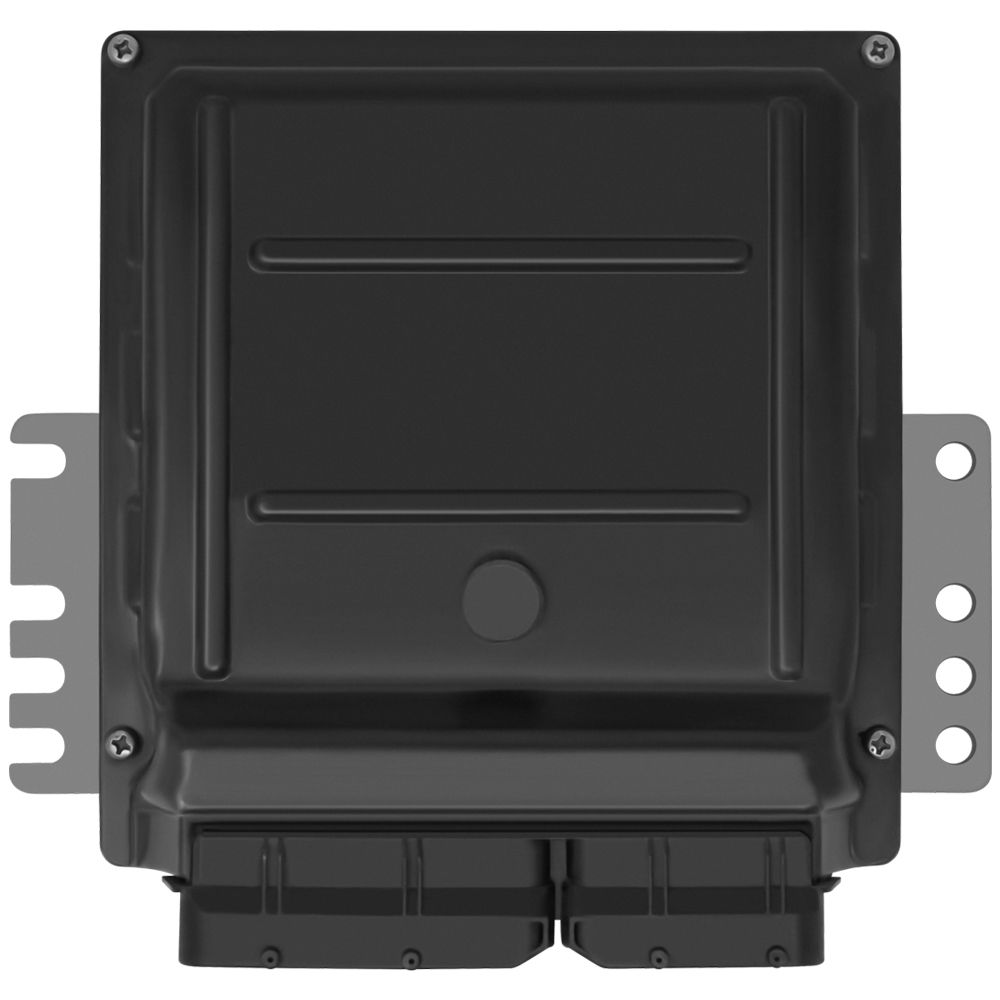
Flagship One stocks a refurbished, VIN-programmed PCM for the 2008 Nissan Quest with a lifetime warranty, free shipping and no core charge. The full Nissan Quest module lineup covers other engine configurations as well.
The Engine Control Module is essential to the reliable operation of your 2008 Nissan Quest. Whether you opt for a repair or a pre‑programmed replacement, addressing the issue promptly will keep the vehicle running smoothly. For further assistance, consult a qualified technician familiar with Nissan ECM service procedures.