
Last updated on August 25th, 2026 at 12:10 pm
The engine control module manages fuel delivery and ignition timing in your 2000 Nissan Maxima. Internal failures often disrupt communication with other systems. This disruption causes drivability concerns requiring professional diagnosis or unit replacement to restore proper operation.
When your 2000 Nissan Maxima experiences persistent drivability issues, the engine management system often becomes the primary focus of diagnosis. You might notice irregular idling or unexpected shutdowns that suggest electronic control failures. Understanding the role of the central computer helps you make informed decisions about repair strategies. This overview explains the function of the module, common signs of degradation, and the labor expectations for replacement. You will learn about the specific time allocations documented for removal and relearning procedures. Gaining this knowledge prepares you for discussions with service providers regarding scope and cost. Proper identification of the problem prevents unnecessary parts swapping and ensures your vehicle returns to reliable service. Many owners face confusion regarding programming requirements after hardware installation. Clarifying these steps reduces downtime and avoids complications during the repair process. Your goal is restoring performance without encountering secondary issues related to configuration. This information supports a smooth transaction whether you choose professional installation or independent work. Technicians often reference standard book times to estimate the total duration of the job. These estimates cover physical removal and the necessary software synchronization. Knowing these figures helps you budget appropriately for the restoration work. Your vehicle depends on precise calibration to manage engine functions effectively. Ignoring these requirements may lead to poor performance even with new hardware. Therefore, reviewing the procedural details beforehand is essential for success.
2000 Nissan Maxima
OEM programmed ECM for your 2000 Nissan Maxima — plug & play, no dealer visit.
Free shipping · Lifetime warranty
The engine control module serves as the central brain for managing critical operations within your 2000 Nissan Maxima. It processes data from various sensors to adjust fuel mixture and ignition timing continuously. This constant regulation ensures optimal combustion efficiency and emissions compliance under changing driving conditions. When this unit malfunctions, the engine may lose coordination between these vital systems. You could experience reduced power or erratic behavior that mimics mechanical failures. Diagnosing electronic faults requires distinguishing between sensor errors and internal computer damage. If the processor itself fails, external sensors will not correct the underlying problem. Replacement becomes necessary when internal circuits degrade beyond repair capabilities. You might explore options for replacement engine computers for the 2000 Nissan Maxima to restore functionality. These units must match the original specifications to communicate correctly with existing wiring harnesses. Compatibility ensures that all subsystems recognize the new component without conflict. Proper integration allows the vehicle to resume normal operation safely. Understanding this hierarchy helps you prioritize repairs when multiple warnings appear on the dashboard. Your focus should remain on restoring the primary control source first. Furthermore, the module stores adaptive learning values that customize performance to your driving habits. Loss of this data during failure contributes to the rough running conditions you observe. Restoring these parameters is part of the broader replacement process. The computer also monitors safety systems that rely on accurate engine data. Failure here can disable features designed to protect occupants during operation. Recognizing the scope of influence this component holds clarifies why symptoms vary widely. Some issues affect starting while others impact shifting or idle quality. Each function ties back to the central processing unit managing the flow of information.
Accessing the engine control module typically involves removing interior trim or components within the engine bay. The specific location varies by design, but the labor guide assigns 1.8 hours for removal and installation of the engine control module. This timeframe accounts for the physical effort required to reach the unit safely. Technicians must disconnect electrical connectors and mounting hardware without damaging surrounding parts. Once the hardware is swapped, the software configuration requires attention. The book time lists 0.5 hours for the relearn procedure for the powertrain control module. Additionally, there is 0.5 hours allocated for the relearning process for the engine control module. These separate entries indicate distinct calibration steps necessary for full system integration. You should anticipate these durations when planning the service appointment. Proper torque specifications and connector seating are vital during physical installation. Rushing this phase risks poor electrical contact or component damage. Your service provider will follow these standards to ensure longevity. The total labor investment reflects the complexity of modern electronic integration.
| Operation | Configuration | Book Time |
|---|---|---|
| Powertrain Control Module Relearn | All configurations | 0.5 hr |
| Engine Control Module R&R | All configurations | 1.8 hr |
| Engine Control Module Relearn | All configurations | 0.5 hr |
Factory procedures mandate specific initialization steps after installing a new control unit. These steps synchronize the hardware with the vehicle identification number and security systems. Without this synchronization, the engine may not start or run correctly. When you install a VIN-programmed replacement unit the steps are often completed prior to delivery. This preconfiguration eliminates the need for specialized diagnostic tools at the shop. You save time because the programming phase is handled remotely by the supplier. The vehicle recognizes the component immediately upon connection. This approach reduces the risk of errors during the flashing process. Your vehicle benefits from accurate calibration data loaded directly into the memory. Technicians still verify communication to ensure everything functions as intended. This verification confirms that the unit matches your specific engine configuration. Relying on preprogrammed hardware simplifies the overall repair workflow significantly. You avoid potential complications associated with manual coding procedures.
Common failure signs include unexpected stalling while driving or difficulty starting the engine. You might notice the check engine light illuminating without obvious mechanical causes. Communication errors with scan tools often point to internal processor faults. The vehicle may enter a limp mode that restricts power to protect the drivetrain. Shifting issues can arise if the computer fails to send correct signals to the transmission. Misfire codes may appear even when ignition components test within normal ranges. Fuel trim values could become stuck or erratic due to calculation errors. You might experience rough idling that persists despite cleaning intake components. Electrical gremlins such as gauge fluctuations often accompany central computer failures. These symptoms suggest the brain of the engine is struggling to process inputs. Ignoring these warnings can lead to complete shutdowns on the road. Diagnosis should rule out simple wiring issues before condemning the module. Your observation of these patterns helps technicians narrow down the root cause. Persistent problems across multiple systems usually indicate a central control failure.
Driving is not recommended as the vehicle may stall unexpectedly. Loss of power steering or braking assistance could occur during operation. You should arrange for towing to avoid safety risks on the road.
Yes, the new unit must match your vehicle identification number and security data. Flagship One units arrive ready to install without additional coding steps. This saves time and ensures compatibility with your engine.
Book times suggest 1.8 hours for physical removal and installation of the hardware. Additional time is allocated for software relearning procedures after the swap. Total duration depends on technician experience and access conditions.
Heat cycling and voltage fluctuations often degrade internal circuits over time. Moisture intrusion through damaged seals can also cause corrosion on the board. External shorts from wiring issues may overload the processor components.
Used units typically retain old vehicle data that conflicts with your system. You would need to reprogram the security and fuel maps manually. Preprogrammed replacements avoid this complexity and ensure immediate functionality.
Repairing the original unit is possible but often carries a risk of recurring issues. Refurbished replacement options provide a more reliable solution for long-term ownership. You gain peace of mind knowing the core components have been tested thoroughly. Consider the labor investment before choosing a repair path that might fail again. Your vehicle deserves a stable foundation for daily transportation needs.
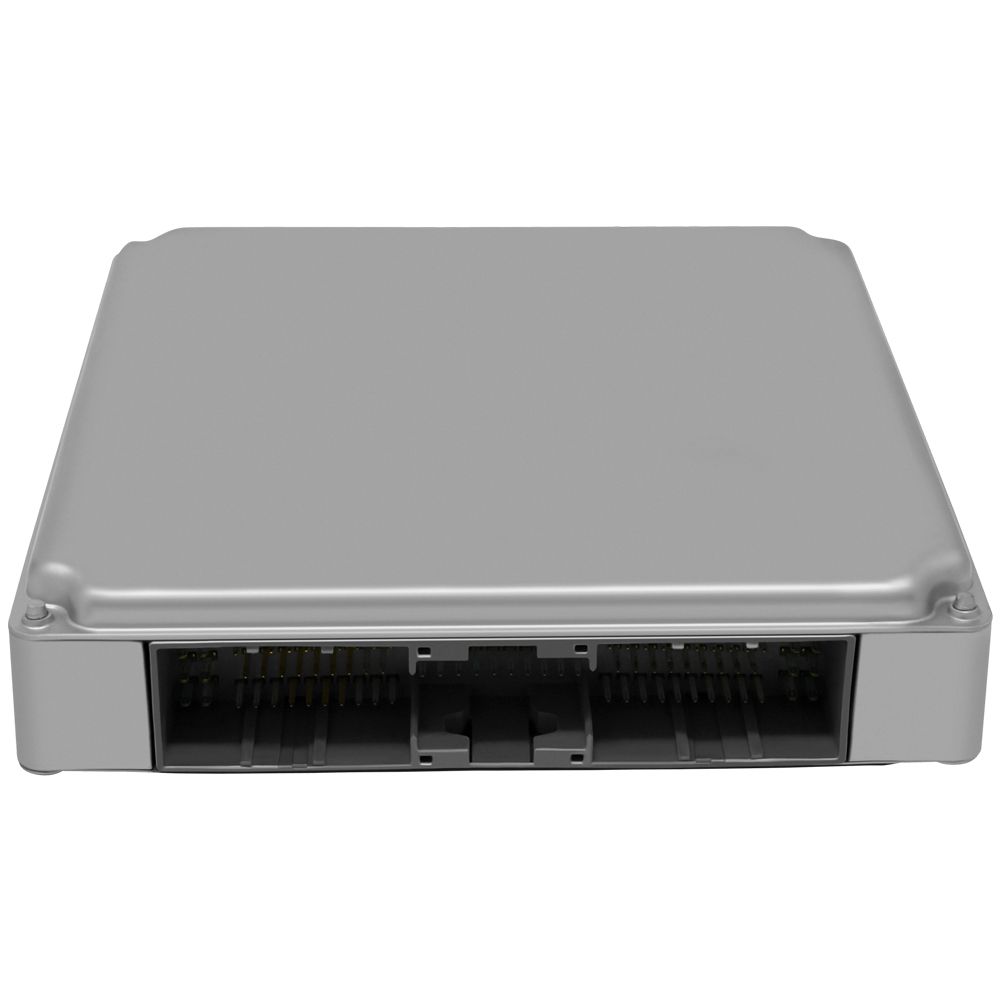
Flagship One stocks a refurbished, VIN-programmed PCM for the 2000 Nissan Maxima with a lifetime warranty, free shipping and no core charge. The full Nissan Maxima module lineup covers other engine configurations as well.
Restoring your 2000 Nissan Maxima requires attention to both hardware and software details. Understanding the labor times and programming needs helps you manage the repair process effectively. You can return to reliable driving by selecting the right replacement component. Contact our team for further assistance with your engine computer needs.