
Last updated on August 25th, 2026 at 01:49 pm
The powertrain control module (PCM) or engine control module (ECM) in your 1999 Nissan Maxima acts as the vehicle’s brain, managing fuel injection, ignition timing, and emissions systems. When it fails, you may experience erratic engine behavior, poor fuel economy, or a no-start condition.
If your 1999 Nissan Maxima has been stalling, misfiring, or throwing a check engine light, the powertrain control module (PCM) or engine control module (ECM) may be the culprit. This critical component oversees fuel delivery, ignition timing, and emissions controls, ensuring smooth operation. When it fails, symptoms can range from poor drivability to a complete no-start condition. Replacing the module involves removing the old unit, installing a new one, and performing a factory-mandated relearn procedure to sync it with your vehicle’s systems. Understanding the role of the PCM/ECM, recognizing failure signs, and knowing the replacement process can help you make informed decisions about repairs. Whether you’re diagnosing an intermittent issue or preparing for a replacement, this guide covers what you need to know about the 1999 Maxima’s engine computer.
The powertrain control module (PCM) or engine control module (ECM) in your 1999 Nissan Maxima serves as the central command for engine performance. It processes data from sensors monitoring oxygen levels, throttle position, and engine speed to adjust fuel injection, ignition timing, and idle control. This ensures optimal power delivery, fuel efficiency, and emissions compliance. Without a functioning ECM, your Maxima may struggle to start, run roughly, or fail to meet emissions standards. The module also interacts with the transmission control system, influencing shift patterns and torque management. Over time, electrical surges, corrosion, or internal component degradation can compromise its performance. When replacement becomes necessary, choosing replacement engine computers for the Maxima ensures compatibility with your vehicle’s specific calibration. A properly functioning ECM is essential for maintaining drivability and avoiding costly secondary issues, such as catalytic converter damage from prolonged misfires.
1999 Nissan Maxima
OEM programmed replacements — plug & play, no dealer visit.
Find yours by year, make & model →
Free shipping · Lifetime warranty
In the 1999 Nissan Maxima, the PCM/ECM is located behind the dashboard on the passenger side, near the firewall. Accessing it requires removing the lower dashboard panel and possibly disconnecting the glove box to reach the mounting bolts. Replacement involves unplugging the wiring harness, removing the old module, and securing the new one in place. According to factory labor estimates, the removal and reinstallation (R&R) process typically takes 0.7 hours. Once installed, the module must be properly torqued to avoid vibration-related issues. The location is relatively straightforward for a technician, but care must be taken to avoid damaging connectors or nearby components during removal. Always disconnect the battery before beginning work to prevent electrical shorts or data corruption.
| Operation | Configuration | Book Time |
|---|---|---|
| Powertrain Control Module R&R | All configurations | 0.7 hr |
| Powertrain Control Module Relearn | All configurations | 0.5 hr |
| Engine Control Module R&R | All configurations | 0.7 hr |
| Engine Control Module Relearn | All configurations | 0.5 hr |
After replacing the PCM/ECM in your 1999 Nissan Maxima, the factory procedure requires a relearn process to synchronize the new module with the vehicle’s sensors and systems. This typically involves using a scan tool to reset adaptive fuel trims, ignition timing, and idle control parameters. The relearn procedure is estimated to take 0.5 hours of labor. However, a VIN-programmed replacement unit from Flagship One arrives pre-configured to your vehicle’s specifications, eliminating the need for this step. This ensures immediate compatibility and reduces the risk of post-installation issues, such as poor idle quality or incorrect fuel delivery. While some aftermarket modules may require additional programming, Flagship One’s units are designed to plug in and drive, saving time and avoiding potential calibration errors.
A failing PCM/ECM in your 1999 Nissan Maxima can manifest in several ways, often starting with subtle drivability issues before progressing to more severe problems. Common symptoms include a check engine light accompanied by misfire codes, such as P0300, indicating random cylinder misfires. You may also experience rough idle, hesitation during acceleration, or stalling, particularly when the engine is warm. In some cases, the vehicle may fail to start altogether, as the ECM controls fuel injection and ignition timing. Another telltale sign is poor fuel economy, as the module may default to a rich fuel mixture to compensate for perceived sensor failures. If the ECM loses communication with the scan tool, it may indicate an internal fault or wiring issue. One specific code tied to ECM failure in this vehicle is rear oxygen sensor circuit malfunction, which can trigger a check engine light and affect emissions performance. Addressing these symptoms promptly can prevent further damage to components like the catalytic converter or oxygen sensors.
Nissan issued several service bulletins addressing ECM-related issues in the 1997–1998 Maxima, which may also apply to the 1999 model due to shared components. Bulletin NTB97024 covers instances where the check engine light illuminates with a P0300 misfire code stored in the ECM, often due to internal module faults. NTB98053 addresses a check engine light triggered by rear oxygen sensor code P0137, indicating minimum voltage monitoring issues. Another bulletin, NTB98011, details a P0136 rear oxygen sensor code, which may also stem from ECM-related signal processing errors. While these bulletins specifically reference earlier model years, the underlying causes—such as sensor feedback errors or module calibration issues—can still occur in the 1999 Maxima. Reviewing these bulletins can provide insight into recurring ECM-related faults and their recommended resolutions.
| Bulletin | Subject | What It Addresses |
|---|---|---|
| — | EC – ENGINE CONTROL SYSTEM: 1997 MAXIMA MIL ‘ON’; P0300 (MULTI-CYLINDER MISFIRE) STORED DUE TO | — |
| — | EC – ENGINE CONTROL SYSTEM: 1998 MAXIMA, MIL ‘ON’ WITH REAR OXYGEN SENSOR DTC P0137 (MINIMUM VO | — |
| — | EC – ENGINE CONTROL SYSTEM: 1997 MAXIMA MIL “ON”; DTC P0136 REAR OXYGEN SENSOR ST | — |
Stalling after an ECM replacement is often due to incomplete relearn procedures. The new module must recalibrate with the vehicle’s sensors, including the throttle position and idle air control. Without this step, the engine may run poorly or stall. Using a VIN-programmed unit can eliminate this issue by ensuring proper initial calibration.
Yes. The ECM controls fuel mixture and ignition timing, both of which directly impact emissions. A faulty module may default to a rich fuel mixture or incorrect timing, increasing hydrocarbon or NOx emissions. Stored trouble codes, such as those for oxygen sensor faults, can also trigger a failed test.
Start by checking for trouble codes using a scan tool. If the ECM is unresponsive or stores multiple unrelated codes, it may indicate a module failure. Inspect wiring harnesses and connectors for damage, corrosion, or loose connections. A multimeter can help verify power and ground signals to the ECM.
A used ECM may work, but it carries risks. The module must be compatible with your vehicle’s engine and transmission configuration. Additionally, used units may have internal wear or stored codes that could cause drivability issues. A VIN-programmed replacement ensures proper calibration and avoids potential compatibility problems.
In the 1999 Maxima, the terms PCM (powertrain control module) and ECM (engine control module) are often used interchangeably, as the vehicle’s engine and transmission controls are integrated into a single unit. The module manages both engine performance and automatic transmission functions, such as shift timing and torque converter lockup.
If your 1999 Nissan Maxima is experiencing ECM-related issues, you have two primary options: repair or replacement. While repairs may address specific faults, such as a corrupted memory chip, they often provide only a temporary solution. A replacement unit, particularly one that’s VIN-programmed, offers a more reliable long-term fix. Given the labor involved in removal and installation, investing in a high-quality replacement can save time and prevent recurring problems. Whether you opt for a new or refurbished module, ensuring proper calibration is key to restoring your Maxima’s performance and drivability.
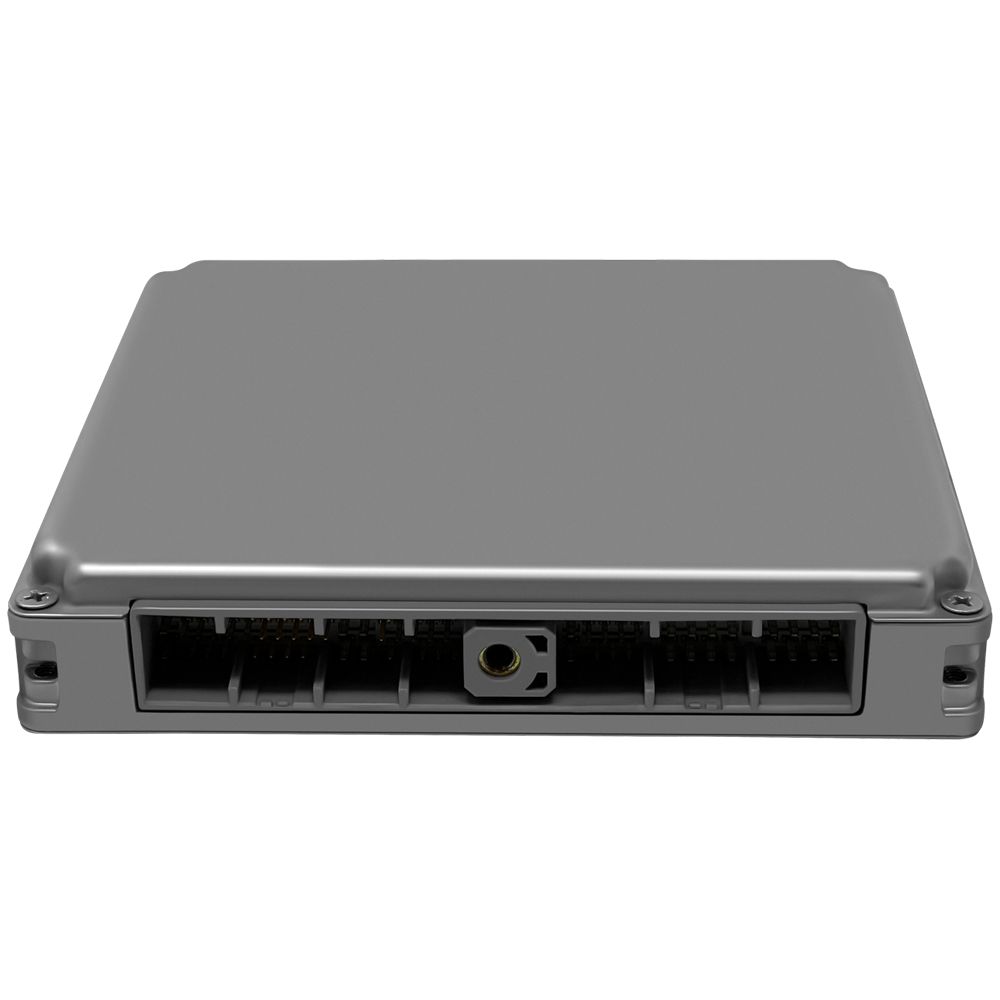
Flagship One stocks a refurbished, VIN-programmed PCM for the 1999 Nissan Maxima with a lifetime warranty, free shipping and no core charge. The full Nissan Maxima module lineup covers other engine configurations as well.
The PCM/ECM in your 1999 Nissan Maxima plays a critical role in engine performance, emissions control, and drivability. Recognizing the signs of failure—such as misfire codes, stalling, or a no-start condition—can help you address issues before they escalate. Replacing the module involves careful installation and, in some cases, a relearn procedure to ensure proper function. By choosing a VIN-programmed replacement, you can simplify the process and avoid potential calibration errors. If your Maxima is showing symptoms of ECM failure, addressing the issue promptly can restore smooth operation and prevent further damage.