
Last updated on August 25th, 2026 at 01:49 pm
The Engine Control Module (ECM) in your 2003 Nissan Maxima acts as the vehicle’s brain, managing fuel injection, ignition timing, and emissions systems. When it fails, you may experience erratic engine behavior, poor performance, or complete failure to start.
If your 2003 Nissan Maxima is stalling, refusing to start, or throwing cryptic engine codes, the Engine Control Module (ECM) may be the culprit. This compact computer manages everything from fuel delivery to ignition timing, and when it malfunctions, your vehicle’s performance suffers. Replacing the ECM isn’t just about swapping a part—it involves precise installation and often a relearn procedure to ensure the new unit communicates properly with the rest of the vehicle. Understanding the process helps you avoid unnecessary labor costs and ensures your Maxima runs smoothly after the repair. Whether you’re a DIYer or leaving it to a shop, knowing what to expect demystifies the repair and helps you make informed decisions about parts and labor.
The Engine Control Module (ECM) in your 2003 Nissan Maxima is a specialized computer that monitors and adjusts engine functions in real time. It processes data from sensors throughout the vehicle to optimize fuel injection, ignition timing, and emissions control. Without a properly functioning ECM, your Maxima may struggle with poor fuel economy, rough idling, or even fail to start. The module also stores diagnostic trouble codes (DTCs) when it detects issues, which mechanics use to pinpoint problems. Over time, electrical surges, moisture, or age can degrade the ECM’s performance, leading to intermittent or permanent failures. When replacement becomes necessary, replacement engine computers for the Maxima are available to restore full functionality without the hassle of dealer programming.
2003 Nissan Maxima
OEM programmed ECM for your 2003 Nissan Maxima — plug & play, no dealer visit.
Free shipping · Lifetime warranty
The ECM in your 2003 Nissan Maxima is located behind the dashboard on the passenger side, near the firewall. Accessing it requires removing the lower dashboard panel and possibly the glove box to reach the mounting bracket. Replacement involves disconnecting the battery, unplugging the wiring harness, and removing the module from its bracket. The labor time for this procedure is typically 1.8 hours, as the module is secured with bolts and may require careful handling to avoid damaging connectors. Once the new unit is installed, the wiring harness is reconnected, and the battery is restored. Proper torque on the mounting bolts ensures the ECM remains securely in place, preventing vibration-related issues.
| Operation | Configuration | Book Time |
|---|---|---|
| Powertrain Control Module Relearn | All configurations | 0.5 hr |
| Engine Control Module R&R | All configurations | 1.8 hr |
| Engine Control Module Relearn | All configurations | 0.5 hr |
After installing a new ECM in your 2003 Nissan Maxima, the factory procedure requires a relearn process to synchronize the module with the vehicle’s systems. This typically involves using a scan tool to perform an initialization, which can take about 0.5 hours of labor. However, if you opt for a VIN-programmed replacement unit, these steps are already completed, saving you time and potential frustration. The pre-programmed unit is matched to your vehicle’s specific configuration, ensuring seamless integration without the need for additional dealer visits or software updates. This approach eliminates the risk of compatibility issues and reduces the overall repair time, allowing your Maxima to return to the road faster.
A failing ECM in your 2003 Nissan Maxima can manifest in several ways, often mimicking other mechanical or electrical issues. Common symptoms include intermittent stalling, especially at idle or during deceleration, which may leave you stranded. The engine might also misfire or hesitate under acceleration, as the ECM struggles to adjust fuel and ignition timing correctly. In some cases, the vehicle may refuse to start altogether, with no response from the starter or fuel pump. Diagnostic trouble codes like loss of communication with the transmission control module are frequently stored, indicating a breakdown in the ECM’s ability to communicate with other systems. Additionally, you might notice poor fuel economy, rough idling, or even the Check Engine Light illuminating without an obvious cause. If your scan tool fails to communicate with the ECM, that’s a strong sign the module itself has failed and requires replacement.
Nissan has issued service bulletins addressing ECM-related issues in the 2003 Maxima. Bulletin NTB01004 covers instances where the Malfunction Indicator Lamp (MIL) illuminates with diagnostic trouble code P1605, indicating a problem with the automatic transmission diagnostic communication line. This bulletin provides guidance on diagnosing and repairing the issue, which may involve inspecting wiring or the ECM itself. Another bulletin, NTB11074, outlines the reprogramming procedure for the ECM using Nissan’s CONSULT diagnostic tool. Reprogramming may be necessary to resolve software-related glitches or to update the module’s calibration for improved performance. These bulletins highlight the importance of proper diagnostics and software updates when addressing ECM-related concerns in your Maxima.
| Bulletin | Subject | What It Addresses |
|---|---|---|
| — | EC – ENGINE CONTROL SYSTEM: 2001 MAXIMA; MIL “ON” WITH DTC P1605 STORED – A/T DIAG COMM LINE | — |
| — | EC – ENGINE CONTROL SYSTEM: REPROGRAMMING WITH CONSULT | — |
Random stalling after an ECM replacement often indicates an incomplete relearn procedure. The new module must synchronize with the vehicle’s sensors and systems, which typically requires a scan tool to perform the initialization. If this step is skipped, the ECM may not adjust fuel or ignition timing correctly, leading to stalling. A VIN-programmed replacement unit eliminates this issue by arriving pre-configured for your vehicle.
Driving with a P1605 code is possible, but it’s not recommended. This code indicates a communication issue between the ECM and the transmission control module, which can lead to erratic shifting or even transmission failure over time. Addressing the code promptly helps prevent further damage and ensures your Maxima operates reliably.
Distinguishing between an ECM failure and a wiring issue requires a systematic diagnosis. Start by checking for loose or corroded connectors at the ECM and related sensors. Use a multimeter to test for proper voltage and ground signals. If the wiring checks out, a scan tool can help determine if the ECM is responding correctly. If the module fails to communicate or stores multiple unrelated codes, it’s likely the ECM itself is faulty.
Replacing the ECM in your Maxima requires basic hand tools, such as a socket set and screwdrivers, to remove the dashboard panel and access the module. A scan tool is necessary to perform the relearn procedure after installation, unless you’re using a pre-programmed replacement unit. It’s also helpful to have a multimeter on hand to verify electrical connections before and after the swap.
Disconnecting the battery to reset the ECM is generally safe, but it may not resolve underlying issues. This method clears temporary codes and resets learned values, which can sometimes improve performance if the problem was minor. However, it won’t fix a failing ECM or address persistent faults. If the issue returns after resetting, further diagnosis is needed to identify the root cause.
When your 2003 Nissan Maxima’s ECM fails, you have options beyond a costly dealer replacement. A refurbished or remanufactured unit can restore full functionality at a fraction of the price, especially if it arrives pre-programmed to your vehicle’s VIN. This approach eliminates the need for additional programming steps and reduces downtime. Whether you choose to tackle the replacement yourself or leave it to a professional, understanding the process helps you make an informed decision and avoid unnecessary labor costs.
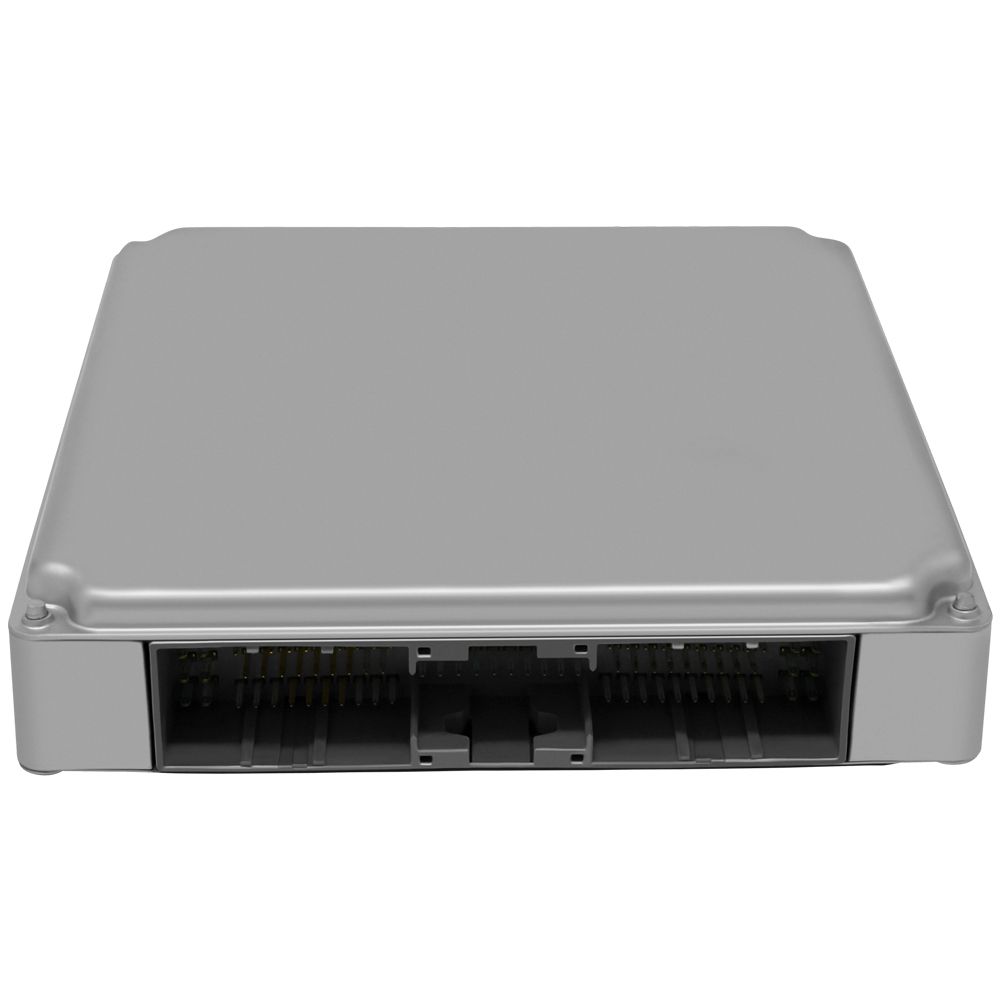
Flagship One stocks a refurbished, VIN-programmed PCM for the 2003 Nissan Maxima with a lifetime warranty, free shipping and no core charge. The full Nissan Maxima module lineup covers other engine configurations as well.
The ECM in your 2003 Nissan Maxima plays a critical role in keeping your vehicle running smoothly. When it fails, symptoms like stalling, misfires, or communication errors can leave you stranded. Replacing the module is straightforward with the right tools and a VIN-matched unit, ensuring a quick return to reliable performance. If you’re experiencing ECM-related issues, addressing them promptly can prevent further damage and keep your Maxima on the road for years to come.