
Last updated on August 25th, 2026 at 01:49 pm
In the 2001 Nissan Maxima, the powertrain control module (PCM) and engine control module (ECM) manage fuel delivery, ignition timing, and emission controls. Failure of these computers can trigger the malfunction indicator lamp, store diagnostic trouble codes, and cause loss of power or drivability problems.
When a 2001 Nissan Maxima experiences a persistent check engine light, it frequently points to the vehicle’s computer systems. Understanding how the PCM and ECM function, where they reside, and what procedures are required after replacement can help you diagnose the issue and decide on the best repair path. This guide walks you through the module’s role, common symptoms, factory service bulletins, and the steps needed to get your Maxima back to smooth operation, whether you choose a new factory unit or a refurbished replacement from Flagship One.
The PCM and ECM in the 2001 Nissan Maxima serve as the central processors for engine and transmission management. They receive input from sensors such as the crankshaft position, throttle position, and oxygen sensors, then calculate fuel injection timing, spark advance, and shift points. By constantly adjusting these parameters, the modules ensure optimal performance, emissions compliance, and fuel efficiency. Because the Maxima’s V6 engine relies on precise coordination, any disruption in the computer’s logic can lead to noticeable drivability issues. For owners seeking alternatives, replacement engine computers for the 2001 Nissan Maxima provide a direct swap that matches the original specifications while offering refurbished options.
2001 Nissan Maxima
OEM programmed replacements — plug & play, no dealer visit.
Find yours by year, make & model →
Free shipping · Lifetime warranty
The PCM and ECM are mounted within the engine compartment of the 2001 Nissan Maxima, typically attached to the firewall or near the intake manifold. Access usually involves removing a few fasteners and disconnecting the main harness. Removing the original unit and installing a replacement generally follows the factory labor times: 0.5 hour for the PCM relearn procedure, 1.8 hours for the ECM removal and replacement, and an additional 0.5 hour for the ECM relearn. Technicians should verify torque specifications for any bolts if they are listed in the service manual, and ensure the connectors are seated securely before completing the installation.
| Operation | Configuration | Book Time |
|---|---|---|
| Powertrain Control Module Relearn | All configurations | 0.5 hr |
| Engine Control Module R&R | All configurations | 1.8 hr |
| Engine Control Module Relearn | All configurations | 0.5 hr |
After the PCM or ECM is installed, the factory service procedure calls for a relearn of the powertrain control module and a separate relearn of the engine control module. These steps involve using a diagnostic tool to sync the new unit with the vehicle’s existing parameters. Flagship One units arrive VIN‑programmed, so the required reprogramming and relearn steps are already completed, eliminating the need for additional on‑site programming. This reduces labor time and helps ensure the replacement functions correctly from the first start.
Every VIN-programmed replacement unit from Flagship One arrives with these steps already completed.
When the PCM or ECM in a 2001 Nissan Maxima begins to fail, you may notice the check engine light stay illuminated, rough idle, hesitation during acceleration, or unexpected transmission shifts. In some cases, the engine may refuse to start, or it could stall under load. Diagnostic scans often reveal stored trouble codes such as engine control module communication fault, indicating a loss of communication between the module and the vehicle’s network. These symptoms typically prompt a deeper inspection of the computer and its wiring.
Service bulletin NTB01004 addresses a situation where the MIL remains on and DTC P1605 is stored, recommending a diagnostic communication check. NTB11074 outlines a reprogramming procedure using the CONSULT system. NTB04005 provides a software update for the CONSULT‑II ECU reprogramming tool, version #6 (AER05A). These bulletins guide technicians through the necessary software revisions and diagnostic steps.
| Bulletin | Subject | What It Addresses |
|---|---|---|
| — | EC – ENGINE CONTROL SYSTEM: 2001 MAXIMA; MIL “ON” WITH DTC P1605 STORED – A/T DIAG COMM LINE | — |
| — | EC – ENGINE CONTROL SYSTEM: REPROGRAMMING WITH CONSULT | — |
| — | TE – TOOL & EQUIPMENT: CONSULT-II ECU REPROGRAMMING SOFTWARE UPDATE #6 (AER05A) | — |
The light can stay illuminated due to stored trouble codes from the PCM or ECM, such as communication faults, sensor failures, or software mismatches. A scan tool will reveal the exact code.
Standard hand tools are sufficient for removal and installation. However, a diagnostic scanner is required for the relearn procedures outlined in the service bulletins.
A refurbished unit that has been tested and VIN‑programmed can perform identically to a new part, provided it meets the original specifications and passes the factory reprogramming steps.
Software updates are typically issued when a service bulletin is released. Checking Nissan’s technical service information periodically helps ensure the module stays current.
Yes, the factory labor guide lists a 0.5 hour duration for the PCM relearn, which should be performed after installing a new or refurbished unit.
When the PCM or ECM in your 2001 Nissan Maxima fails, you can choose a brand‑new factory replacement or a Flagship One refurbished unit. Both options restore the vehicle’s computer functions, but a refurbished unit arrives pre‑programmed to match your VIN, reducing shop time and cost. Evaluate your repair budget and warranty preferences to select the best solution for your Maxima.
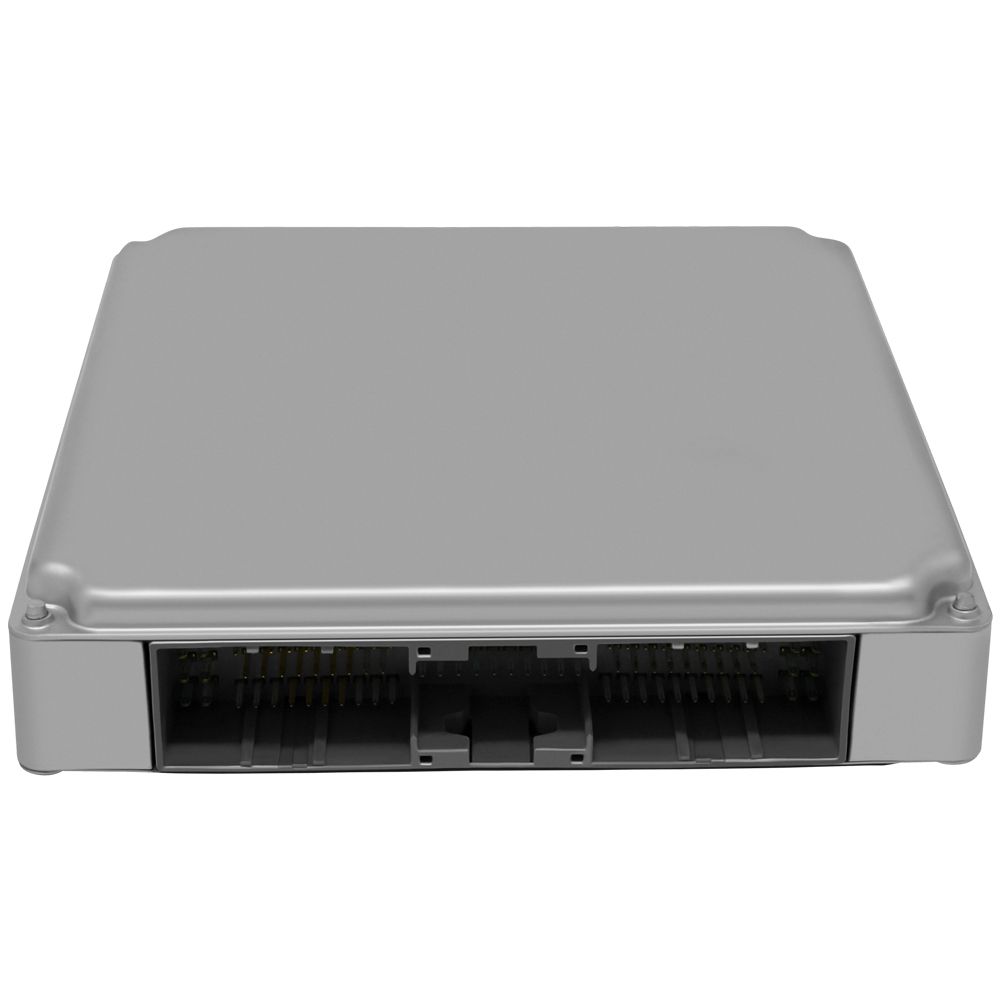
Flagship One stocks a refurbished, VIN-programmed PCM for the 2001 Nissan Maxima with a lifetime warranty, free shipping and no core charge. The full Nissan Maxima module lineup covers other engine configurations as well.
The PCM and ECM are vital to the 2001 Nissan Maxima’s performance. Whether you opt for a new factory part or a Flagship One refurbished replacement, proper installation and programming will return your vehicle to reliable operation. Contact a qualified technician to assess the best path forward.