
Last updated on August 25th, 2026 at 12:10 pm
The Engine Control Module (ECM) and Powertrain Control Module (PCM) serve as the central brain for your 1996 Sentra’s 1.6L engine, managing fuel injection, ignition timing, emissions, and transmission functions. When this processor fails, the engine may run poorly or not at all, and diagnostic trouble codes will illuminate the malfunction indicator light.
If your 1996 Nissan Sentra has developed starting problems, runs rough, or its check engine light stays on despite new plugs or sensors, the engine computer may be the culprit. The ECM (Engine Control Module) or PCM (Powertrain Control Module) — terms often used interchangeably in this generation Sentra — serves as the central nervous system for your vehicle’s 1.6-liter engine, managing everything from fuel injection pulse width to ignition advance and transmission shift points. Unlike simple sensor failures that trigger a single trouble code, a failing processor can produce multiple seemingly unrelated symptoms: intermittent no-starts, random stalling, hesitation under acceleration, or a complete inability to communicate with a scan tool. This guide explains what the module does in your specific vehicle, where it is located, the labor involved in replacement, and how programming works. You will also learn what failure symptoms to watch for, which factory bulletins apply, and practical steps you can take to protect the module from premature failure. Whether you are diagnosing a persistent check engine light or planning a preventive replacement, the information here helps you understand the scope of the repair and make informed decisions about your 1996 Sentra.
1996 Nissan Sentra
OEM programmed ECM for your 1996 Nissan Sentra — plug & play, no dealer visit.
Free shipping · Lifetime warranty
The ECM in your 1996 Nissan Sentra is a microprocessor-based controller that monitors inputs from dozens of sensors throughout the engine and transmission, then adjusts outputs to maintain smooth operation, adequate power, and compliant emissions. Unlike older mechanical carbureted engines that relied on fixed jet sizes and manual timing adjustments, your Sentra’s 1.6L engine depends entirely on the ECM to calculate fuel injector pulse duration, determine optimal ignition spark advance, control the idle air control valve, and manage the automatic transmission shift schedule. The PCM version adds transmission control functions to the ECM’s engine-management duties, making it the primary processor for the entire powertrain. When this processor malfunctions, the consequences ripple through every system it controls. A failed output driver inside the ECM may cause a single cylinder to stop firing, triggering a misfire code. A corrupted memory sector may cause the engine to stall shortly after startup. A faulty analog-to-digital converter may produce wildly incorrect fuel trims, causing the engine to run rich or lean. In practical terms, your 1996 Sentra may exhibit any combination of hard-starting, rough idle, power loss, transmission shifting abnormalities, or a completely dead dashboard with no instrument cluster function. The processor also stores diagnostic data that technicians access with a scan tool, so communication failure often accompanies ECM problems. If you are searching for replacement engine computers for the Sentra, you will encounter both new and remanufactured units that vary in programming quality and warranty coverage.
Flagship One keeps Nissan Sentra replacement engine computers in stock for exactly this failure pattern.
| Operation | Configuration | Book Time |
|---|---|---|
| Powertrain Control Module R&R | All configurations | 0.5 hr |
| Powertrain Control Module Relearn | All configurations | 0.5 hr |
| Engine Control Module R&R | All configurations | 0.5 hr |
| Engine Control Module Relearn | All configurations | 0.5 hr |
After physically installing a replacement ECM or PCM in your 1996 Nissan Sentra, the module must undergo a factory-specified relearn procedure so the new processor can adapt to your vehicle’s unique sensor characteristics and idle air control settings. This procedure typically involves connecting a scan tool to the diagnostic port and running a routine that initializes the fuel trims, learns the idle air control valve position, and confirms that all emission monitors have completed their self-tests. The labor time for this relearn procedure is 0.5 hours according to the book. Without completing this step, the engine may run roughly, fail emissions testing, or set additional trouble codes. This is where Flagship One units provide an advantage: their replacement modules arrive pre-programmed with your specific vehicle identification number, which means many of the initial setup steps are already completed before the unit reaches your shop. The dealer programming steps that normally require expensive scan tool time and specialized software may be reduced or eliminated entirely, saving you labor time on the back end of the job. However, even with a VIN-programmed unit, a basic systems verification and idle relearn procedure is still recommended to ensure all adaptive values have been properly initialized for your specific engine.
Every VIN-programmed replacement unit from Flagship One arrives with these steps already completed.
| Bulletin | Subject | What It Addresses |
|---|---|---|
| — | EC – ENGINE CONTROL SYSTEM: 1997-98 SENTRA/200SX MIL ‘ON’; P0300 (MULTI-CYLINDER MISFIRE) STORE | — |
| — | EC – ENGINE CONTROL SYSTEM: MIL ‘ON’; DIAGNOSTIC TROUBLE CODE P0100 (MASS AIR FLOW SENSOR) STOR | — |
| — | EC – ENGINE CONTROL SYSTEM: 1997-98 SENTRA/200SX WITH MIL ‘ON’ AND DTC P0505 STORED IN ECM | — |
No. The ECM is programmed with vehicle-specific calibration data and must match your exact model and engine combination. A unit from a different trim level or transmission configuration may not operate correctly.
You can physically install the module yourself if you have basic mechanical skills, but the relearn procedure typically requires a scan tool. Flagship One units come VIN-programmed, which reduces the dealer programming requirement.
This usually indicates the relearn procedure has not been completed. The new module needs to initialize its adaptive fuel trims and idle air control values. A scan tool is required to complete this process.
Remanufactured units from reputable suppliers like Flagship One are tested to meet or exceed original specifications and include a warranty. They often provide better value than new dealer units while maintaining reliability.
Ignoring the warning can lead to continued operation with faulty fuel trims, potentially causing catalytic converter damage from excessive unburned fuel reaching the exhaust system.
When your 1996 Nissan Sentra’s ECM fails, you face a choice between purchasing a new dealer unit at significant cost or selecting a quality remanufactured replacement. Remanufactured units from Flagship One are tested on professional bench testers to verify all outputs function correctly, then programmed with your specific VIN before shipping. This approach eliminates the dealer programming markup and gets your vehicle back on the road faster. Whether you choose a new or remanufactured unit, ensure the seller provides a warranty and technical support in case you encounter installation questions.
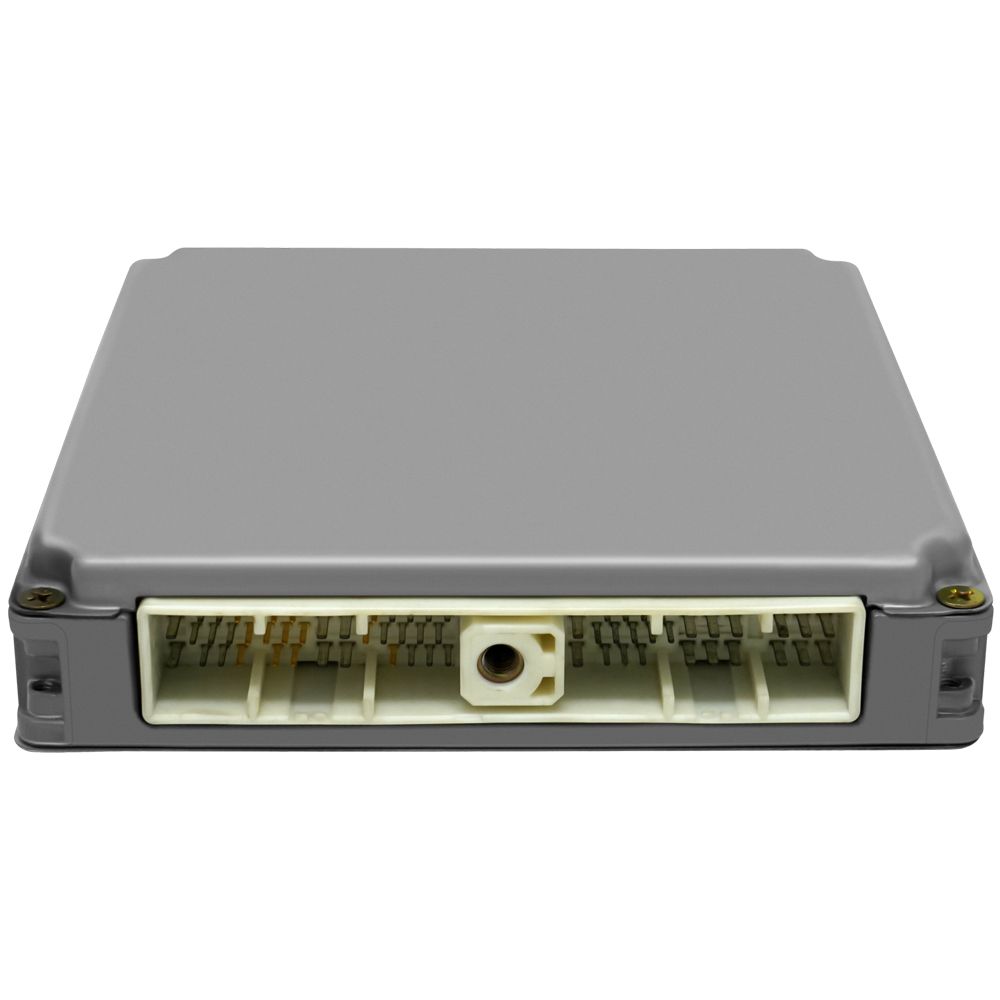
Flagship One stocks a refurbished, VIN-programmed PCM for the 1996 Nissan Sentra with a lifetime warranty, free shipping and no core charge. The full Nissan Sentra module lineup covers other engine configurations as well.
The ECM in your 1996 Nissan Sentra is the heart of its engine management system, and failure can leave you stranded or facing costly repairs. Understanding the symptoms, the replacement labor involved, and the programming requirements helps you approach the repair with confidence. Whether you diagnose the fault yourself or rely on a professional, sourcing a quality replacement module programmed for your specific vehicle is the key to restoring reliable operation to your Sentra.