
Last updated on August 25th, 2026 at 01:49 pm
The Powertrain Control Module (PCM) in your 1999 Nissan Sentra is the brain behind engine and transmission operations. When it fails, you may experience erratic performance, stalling, or even a complete no-start condition due to disrupted fuel, ignition, or emissions control.
If your 1999 Nissan Sentra has been acting up—stalling at stops, refusing to start, or throwing a check-engine light—it may be time to consider the Powertrain Control Module (PCM). This small but critical component acts as the command center for your engine and transmission, regulating everything from fuel delivery to ignition timing. When it fails, the symptoms can range from subtle performance issues to a vehicle that won’t run at all. Understanding how the PCM functions in your Sentra, where it’s located, and what replacement involves can help you make an informed decision. Whether you’re a DIYer or planning to visit a shop, knowing the labor times, programming requirements, and common failure signs will prepare you for the process. This guide covers what you need to know to diagnose, replace, and prevent future PCM issues in your 1999 Nissan Sentra 2.0L.
The Powertrain Control Module (PCM) in your 1999 Nissan Sentra is responsible for managing the engine’s fuel injection, ignition timing, and emissions systems, as well as the automatic transmission’s shifting patterns. It constantly monitors inputs from sensors throughout the vehicle, adjusting outputs to optimize performance, fuel efficiency, and emissions compliance. Without a functioning PCM, your Sentra may struggle to start, run roughly, or even enter a fail-safe mode that limits engine power. The module’s role is especially critical in older vehicles like yours, where wear and tear on sensors and wiring can amplify the effects of a failing computer. When replacement becomes necessary, you’ll need a unit that matches your vehicle’s specifications—this is where replacement engine computers for the Sentra come into play, ensuring compatibility and proper functionality. A faulty PCM can disrupt communication with the transmission, leading to harsh or delayed shifts, or even prevent the engine from running altogether. Given its central role, addressing PCM issues promptly can save you from more extensive—and costly—repairs down the road.
1999 Nissan Sentra 2.0L: When the
OEM programmed replacements — plug & play, no dealer visit.
Find yours by year, make & model →
Free shipping · Lifetime warranty
In the 1999 Nissan Sentra 2.0L, the Powertrain Control Module (PCM) is located inside the vehicle, typically mounted behind the dashboard on the passenger side. Accessing it requires removing the lower dashboard panel or glove box, depending on the exact configuration. The replacement process involves disconnecting the battery, unplugging the wiring harness from the PCM, and removing any mounting bolts or brackets securing it in place. Once the old module is removed, the new unit is installed in reverse order, ensuring all connectors are securely fastened. Labor time for removal and reinstallation (R&R) is typically 0.5 hours, according to factory guidelines. After installation, the PCM must undergo a relearn procedure to synchronize with the vehicle’s sensors and systems, which also takes about 0.5 hours. While the physical replacement is straightforward, proper torque on mounting bolts and secure electrical connections are critical to avoid future issues.
| Operation | Configuration | Book Time |
|---|---|---|
| Engine Control Module R&R | All configurations | 0.5 hr |
| Engine Control Module Relearn | All configurations | 0.5 hr |
| Powertrain Control Module R&R | 1.6L | 0.5 hr |
| Powertrain Control Module R&R | 2.0L | 0.5 hr |
| Powertrain Control Module Relearn | All configurations | 0.5 hr |
After replacing the Powertrain Control Module (PCM) in your 1999 Nissan Sentra, a factory relearn procedure is required to ensure the new unit communicates correctly with the engine and transmission systems. This process typically involves using a scan tool to reset adaptive values, relearn throttle position, and synchronize the immobilizer system. The relearn procedure can take up to 0.5 hours and may require specific steps outlined in the vehicle’s service manual. However, if you opt for a VIN-programmed replacement unit, these steps are already completed before the module arrives, saving you time and potential frustration. This pre-programming ensures the PCM is calibrated to your Sentra’s specific engine and transmission configuration, reducing the risk of post-installation issues like stalling or poor performance. While the physical installation is quick, skipping or improperly performing the relearn can lead to persistent drivability problems, so following the correct procedure—or choosing a pre-programmed unit—is essential.
A failing Powertrain Control Module (PCM) in your 1999 Nissan Sentra can manifest in several ways, often mimicking other mechanical or electrical issues. One of the most common symptoms is a no-start condition, where the engine cranks but refuses to fire, often due to the PCM failing to send the correct signals to the fuel injectors or ignition system. Stalling at idle or during acceleration is another frequent sign, as the module struggles to maintain consistent engine operation. You may also notice poor fuel economy, rough idling, or hesitation under load, all of which can stem from incorrect fuel or ignition timing adjustments. In some cases, the check-engine light will illuminate, and a scan tool may reveal module-internal trouble codes like an internal control module memory error. Additionally, you might experience transmission shifting issues, such as harsh or delayed gear changes, since the PCM also controls the automatic transmission in your Sentra. If the module fails completely, you may lose communication with the scan tool altogether, making diagnosis more challenging. These symptoms can be intermittent at first, becoming more frequent as the PCM deteriorates further. Addressing them early can prevent more severe drivability problems or even a complete breakdown.
The 1999 Nissan Sentra 2.0L may store specific trouble codes when the Powertrain Control Module (PCM) begins to fail. These codes are often module-internal and can help pinpoint the source of the issue. Below are the documented trouble codes associated with PCM failures in this vehicle.
| Code | Meaning | Full Guide |
|---|---|---|
| P0605 | Internal ROM error | Full P0605 guide → |
Common signs include a no-start condition, stalling, rough idling, or the check-engine light illuminating with module-related codes like P0605. You may also experience transmission shifting issues or a complete loss of communication with a scan tool. If these symptoms appear, testing the PCM’s power and ground circuits can help confirm the diagnosis.
Yes, the physical replacement is straightforward if you’re comfortable working behind the dashboard. The process involves disconnecting the battery, removing the lower dashboard panel, unplugging the wiring harness, and swapping the old PCM for the new one. However, you’ll need to perform a relearn procedure afterward or use a pre-programmed unit to avoid drivability issues.
Skipping the relearn procedure may result in poor engine performance, stalling, or transmission shifting problems. The PCM needs to synchronize with the vehicle’s sensors and systems, including the immobilizer and throttle position, to function correctly. A pre-programmed unit eliminates this step but ensures the module is ready to go.
Stalling after replacement is often due to an incomplete relearn procedure or a mismatch between the PCM and the vehicle’s immobilizer system. If the PCM isn’t properly calibrated to the engine and transmission, it may not send the correct signals for fuel or ignition. Using a pre-programmed unit can help avoid this issue.
The physical replacement typically takes 0.5 hours, while the relearn procedure adds another 0.5 hours. If you use a pre-programmed unit, the relearn step is unnecessary, reducing the total time to just the installation. Always follow the factory guidelines to ensure proper function.
If your 1999 Nissan Sentra is experiencing PCM-related issues, you have a few options to consider. A repair shop can diagnose and replace the module, performing the necessary relearn procedures to restore proper function. Alternatively, a pre-programmed replacement unit can simplify the process, eliminating the need for post-installation programming and reducing downtime. Given the age of your vehicle, ensuring the new PCM is compatible and properly calibrated is key to avoiding further drivability problems.
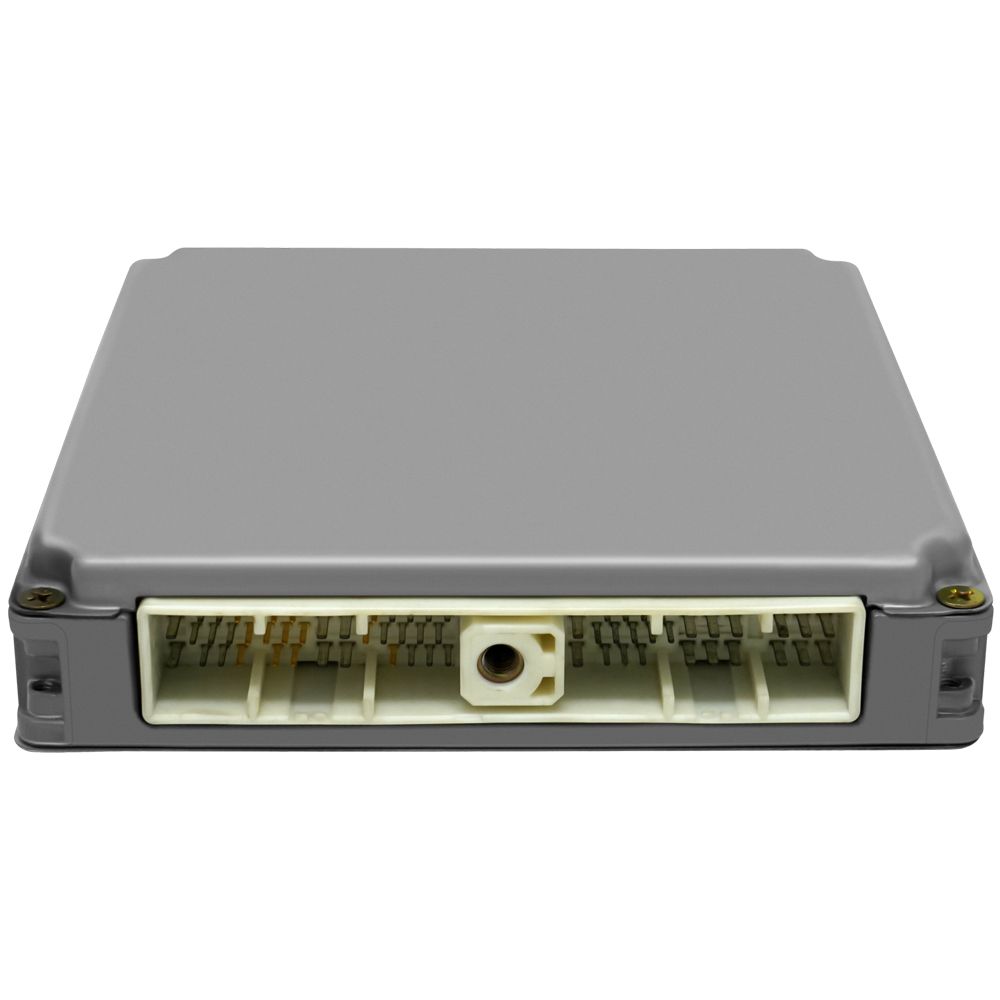
Flagship One stocks a refurbished, VIN-programmed PCM for the 1999 Nissan Sentra with a lifetime warranty, free shipping and no core charge. The full Nissan Sentra module lineup covers other engine configurations as well.
The Powertrain Control Module in your 1999 Nissan Sentra plays a vital role in keeping your engine and transmission running smoothly. When it fails, symptoms like stalling, no-start conditions, or shifting issues can disrupt your daily driving. Replacing the PCM is a manageable task, whether you tackle it yourself or leave it to a professional, but understanding the process—from installation to programming—can save you time and frustration. If you’re ready to address the issue, consider a pre-programmed unit to streamline the process and get your Sentra back on the road.