
Last updated on August 25th, 2026 at 01:49 pm
The powertrain control module (PCM) or engine control module (ECM) in your 1997 Nissan Sentra manages fuel delivery, ignition timing, and emissions systems. Failure may cause misfires, poor performance, or a non-starting engine due to corrupted data or electrical faults.
If your 1997 Nissan Sentra has developed a rough idle, stalling, or a persistent check engine light, the powertrain control module (PCM) or engine control module (ECM) may be at fault. This small but critical computer manages everything from fuel injection to ignition timing, ensuring your engine runs smoothly and efficiently. When it fails, symptoms can range from subtle performance issues to a complete no-start condition. Understanding the role of this module, how to diagnose its problems, and what replacement involves can save you time and frustration. This guide covers the essentials: where the module is located, how long replacement takes, what factory procedures are required afterward, and how to recognize common failure symptoms. You’ll also learn about factory service bulletins specific to your Sentra, which highlight recurring issues tied to the ECM. Whether you’re a DIYer or planning to visit a shop, this information will help you make informed decisions about your vehicle’s repair needs.
The powertrain control module (PCM) or engine control module (ECM) in your 1997 Nissan Sentra acts as the brain of the engine, processing data from sensors to optimize performance, fuel efficiency, and emissions. It controls fuel injectors, ignition timing, idle speed, and the evaporative emissions system, ensuring the engine runs within factory specifications. Without a properly functioning ECM, your Sentra may experience poor throttle response, increased fuel consumption, or even fail to start. The module also monitors the engine for faults, triggering the check engine light when issues arise. Over time, electrical surges, moisture intrusion, or internal component wear can corrupt the ECM’s programming or damage its circuitry. When this happens, replacement becomes necessary. replacement engine computers for the Sentra are designed to restore full functionality, but they must be programmed to match your vehicle’s VIN to ensure compatibility with its specific engine and transmission configuration. A failed ECM can also cause transmission shifting problems, as the module often shares data with the transmission control system in vehicles of this era.
1997 Nissan Sentra
OEM programmed ECM for your 1997 Nissan Sentra — plug & play, no dealer visit.
Free shipping · Lifetime warranty
In your 1997 Nissan Sentra, the PCM/ECM is located behind the dashboard on the passenger side, near the kick panel. Accessing it requires removing the lower dashboard trim and possibly the glove box to reach the module’s mounting bracket. The factory labor time for removing and reinstalling the module is 0.5 hours. Once the module is exposed, you’ll need to disconnect the wiring harness and unbolt the unit from its bracket. No special tools are required, but care should be taken to avoid damaging the connectors or bending the mounting tabs. After installing the new module, the wiring harness must be securely reconnected, and the dashboard trim reinstalled. The process is straightforward but requires patience to avoid breaking plastic clips or misaligning components during reassembly.
| Operation | Configuration | Book Time |
|---|---|---|
| Powertrain Control Module R&R | All configurations | 0.5 hr |
| Powertrain Control Module Relearn | All configurations | 0.5 hr |
| Engine Control Module R&R | All configurations | 0.5 hr |
| Engine Control Module Relearn | All configurations | 0.5 hr |
After replacing the PCM/ECM in your 1997 Nissan Sentra, the factory procedure requires a relearn process to synchronize the new module with the engine’s sensors and transmission. This typically involves using a scan tool to reset the ECM and may include driving the vehicle under specific conditions to allow the module to adapt to your driving style. The factory labor time for this relearn procedure is 0.5 hours. However, a VIN-programmed replacement unit from Flagship One arrives pre-configured to your vehicle’s specifications, eliminating the need for dealer reprogramming. This ensures the module is ready to function immediately after installation, saving you time and potential frustration. While some aftermarket modules may require additional steps, Flagship One’s units are designed to plug in and play, reducing the risk of post-installation issues like poor idle or transmission shifting problems.
A failing PCM/ECM in your 1997 Nissan Sentra may produce a variety of symptoms, often starting with subtle performance issues before escalating to more severe problems. One of the most common signs is a check engine light accompanied by stored trouble codes, such as random misfire detected, which can indicate the ECM is struggling to manage ignition timing or fuel delivery. You may also experience rough idling, stalling, or hesitation during acceleration, particularly when the engine is cold. In some cases, the vehicle may fail to start altogether, leaving you with a cranking engine that refuses to fire. Other symptoms include poor fuel economy, as the ECM may default to a rich fuel mixture to compensate for perceived sensor failures. Electrical issues, such as intermittent power loss to accessories or erratic gauge readings, can also point to ECM problems. If the module’s internal memory becomes corrupted, you might notice the transmission shifting harshly or unpredictably, as the ECM shares data with the transmission control system. Dead scan tool communication is another red flag, indicating the ECM is no longer responding to diagnostic requests. While these symptoms can mimic other issues, such as sensor failures or wiring problems, persistent or recurring check engine lights should prompt a closer inspection of the ECM.
Nissan issued several service bulletins addressing ECM-related issues in the 1997 Sentra. Bulletin NTB97062 describes a condition where the check engine light illuminates, and a P0300 (random/multiple cylinder misfire) code is stored due to an internal ECM fault. Another bulletin, NTB97059, covers instances where the MIL is triggered by a P0100 code, indicating a mass air flow sensor circuit issue that may actually stem from ECM corruption. Additionally, NTB98039 addresses a P0505 code (idle air control system malfunction) linked to ECM problems in 1997-98 Sentras. These bulletins suggest that certain trouble codes, while appearing to point to sensor or actuator failures, may instead indicate a need for ECM replacement or reprogramming.
| Bulletin | Subject | What It Addresses |
|---|---|---|
| — | EC – ENGINE CONTROL SYSTEM: 1997-98 SENTRA/200SX MIL ‘ON’; P0300 (MULTI-CYLINDER MISFIRE) STORE | — |
| — | EC – ENGINE CONTROL SYSTEM: MIL ‘ON’; DIAGNOSTIC TROUBLE CODE P0100 (MASS AIR FLOW SENSOR) STOR | — |
| — | EC – ENGINE CONTROL SYSTEM: 1997-98 SENTRA/200SX WITH MIL ‘ON’ AND DTC P0505 STORED IN ECM | — |
Intermittent stalling in your Sentra can stem from several issues, including a failing ECM. The module controls fuel delivery and ignition timing, so if it malfunctions, the engine may cut out unexpectedly. Other potential causes include a faulty crankshaft position sensor or fuel pump, but if the stalling is accompanied by a check engine light or trouble codes like P0300, the ECM should be inspected.
Distinguishing between an ECM failure and a sensor issue can be challenging. If multiple sensors (like the MAF or oxygen sensor) appear to fail simultaneously, the ECM may be the root cause. A scan tool can help by checking for communication errors with the ECM. If the module isn’t responding or is setting codes for multiple unrelated sensors, replacement is often the solution.
Driving with a failing ECM is risky. The module may default to a limp-home mode, causing poor performance, reduced fuel economy, or even transmission shifting issues. Prolonged driving in this state can stress other components, such as the catalytic converter or oxygen sensors. If you suspect ECM failure, address it promptly to avoid additional repairs.
In your Sentra, the terms PCM (powertrain control module) and ECM (engine control module) are often used interchangeably, as the vehicle’s engine and transmission functions are managed by a single unit. The ECM handles engine-specific tasks like fuel injection and ignition, while the PCM may also include transmission control in some contexts. For practical purposes, they refer to the same component in this vehicle.
A new ECM for your Sentra must be programmed to match your vehicle’s VIN and engine configuration. Without reprogramming, the module may not communicate properly with the engine’s sensors or transmission. However, Flagship One units arrive pre-programmed, so no additional steps are required beyond installation.
If your 1997 Nissan Sentra is experiencing ECM-related issues, you have two primary repair options: a refurbished OEM module or a new aftermarket unit. Refurbished units are often cost-effective and undergo rigorous testing to ensure reliability, while new aftermarket modules may offer updated components or warranties. Given the age of your Sentra, a replacement ECM is typically the most practical solution, as repairs to the original module may not address underlying electrical or software issues. Flagship One provides VIN-programmed units designed to restore your vehicle’s performance without the need for dealer reprogramming.
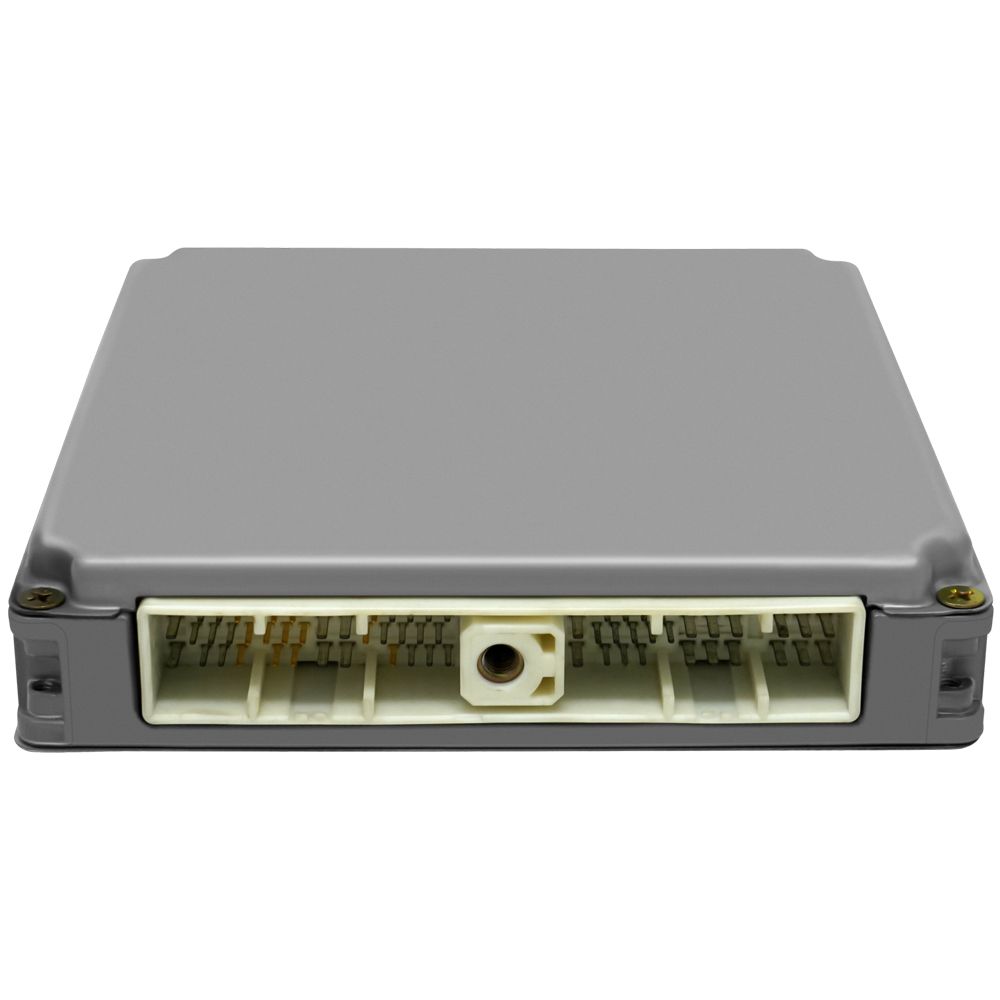
Flagship One stocks a refurbished, VIN-programmed PCM for the 1997 Nissan Sentra with a lifetime warranty, free shipping and no core charge. The full Nissan Sentra module lineup covers other engine configurations as well.
The PCM/ECM in your 1997 Nissan Sentra plays a critical role in keeping your engine running smoothly. If you’re dealing with a check engine light, stalling, or poor performance, this module may be the culprit. Replacing it is a straightforward process, but ensuring the new unit is properly programmed is key to avoiding further issues. With the right replacement and a few preventive measures, your Sentra can continue to deliver reliable performance for years to come. If symptoms persist, consult a professional to rule out other potential causes.