
Last updated on August 25th, 2026 at 01:50 pm
If your 1994 Nissan Sentra is exhibiting driveability problems, the engine control module may be the culprit. This guide explains how the module functions, where it is located, what replacement involves, and how post-installation procedures work. You will gain a clear understanding of the steps required to restore proper operation, including the relearn procedure the factory specifies after any new module is installed. Knowing what to expect helps you evaluate repair options and decide whether a remanufactured replacement makes sense for your situation.
The engine control module in your 1994 Nissan Sentra serves as the central computer for managing the 1.6L engine. It continuously processes data from multiple sensors to calculate the correct fuel injection quantity, ignition timing, and idle speed. It also governs emission control components such as the EGR valve and evaporative purge system. Without valid data from the module, the engine cannot maintain proper combustion, leading to drivability complaints ranging from poor acceleration to stalling. Replacing this module requires finding 1994 Sentra replacement computers that match the original specifications, then performing the factory relearn procedure so the new unit can adapt to your vehicle. This is not a repair that tolerates guesswork—correct part matching and proper initialization are essential for restoring normal operation.
1994 Nissan Sentra
OEM programmed ECM for your 1994 Nissan Sentra — plug & play, no dealer visit.
Free shipping · Lifetime warranty
The engine control module on the 1994 Nissan Sentra is located inside the passenger compartment, typically secured to a metal bracket beneath the dashboard near the kick panel or center console area. Some vehicles may have the module positioned behind the glove box or passenger-side footwell trim. Accessing the location requires removing interior panels to expose the electrical harness connectors. The R&R labor time is 0.5 hours. During installation, ensure the replacement module carries the correct part number matching your vehicle, reconnect all electrical connectors securely, and verify that mounting hardware is properly tightened. After the module is seated and connected, reassemble the interior trim in reverse order.
Work with the ignition off, and treat the module as static-sensitive: avoid touching the connector pins at any point.
| Operation | Configuration | Book Time |
|---|---|---|
| Powertrain Control Module R&R | All configurations | 0.5 hr |
| Powertrain Control Module Relearn | All configurations | 0.5 hr |
| Engine Control Module R&R | All configurations | 0.5 hr |
| Engine Control Module Relearn | All configurations | 0.5 hr |
After the new module is installed, the factory procedure requires a relearn process to allow the computer to calibrate itself to your specific engine. This adaptation period typically takes some driving miles as the module adjusts fuel delivery and timing based on actual sensor readings. The relearn labor time is 0.5 hours. Flagship One units arrive already VIN-programmed, which means the initial programming steps are completed before shipment. This eliminates the need for dealer programming on your end. However, the factory relearn procedure must still be performed locally so the module can optimize its settings for your particular engine and sensors.
Every VIN-programmed replacement unit from Flagship One arrives with these steps already completed.
When the engine control module fails on your 1994 Nissan Sentra, several symptoms may appear. Hard starting or a no-start condition occurs when the module cannot properly activate the fuel injection sequence. Rough idle and stalling develop from incorrect air-fuel mixture calculations. Misfire codes may appear when ignition timing signals become erratic or inconsistent. A dead scan tool with no communication suggests a complete module failure, as diagnostics cannot establish a data link. Transmission shifting problems can result from corrupted control signals, particularly in vehicles with electronically controlled transmissions.
Nissan has published service bulletins relevant to ECM work on the 1994 Sentra. NTB94065 covers proper ECM installation procedures. NTB91043 addresses ECU connector installation and handling precautions. NTB95059 provides guidance on precautions for testing and diagnosing the ECCS system to avoid damaging the ECM during diagnostic procedures. These bulletins establish the manufacturer’s recommended practices for module replacement and related electrical work.
| Bulletin | Subject | What It Addresses |
|---|---|---|
| — | EC – ENGINE CONTROL SYSTEM: ECM INSTALLATION | — |
| — | EC – ENGINE CONTROL SYSTEM: ECU CONNECTOR INSTALLATION | — |
| — | EC – ENGINE CONTROL SYSTEM: PRECAUTIONS FOR TESTING/DIAGNOSING THE ECCS SYSTEM TO AVOID DAMAGIN | — |
Common indicators include hard starting, rough idle, stalling, or a dead scan tool with no communication. Since this is a pre-OBD-II vehicle, diagnostic capabilities may be limited if the module has failed completely.
A used unit may lack the correct calibration for your specific vehicle and could fail soon after installation. A remanufactured replacement programmed with your VIN ensures the correct specifications are in place from the start.
Not necessarily. If you source a VIN-programmed replacement unit, the programming is completed before shipment. You will still need to perform the factory relearn procedure locally.
If you are weighing repair versus replacement for your 1994 Nissan Sentra, consider that a remanufactured ECM from Flagship One arrives pre-programmed with your exact VIN and configuration, eliminating the need for dealer programming and reducing total repair time. This lets you make a practical decision based on your vehicle’s specific situation and your budget.
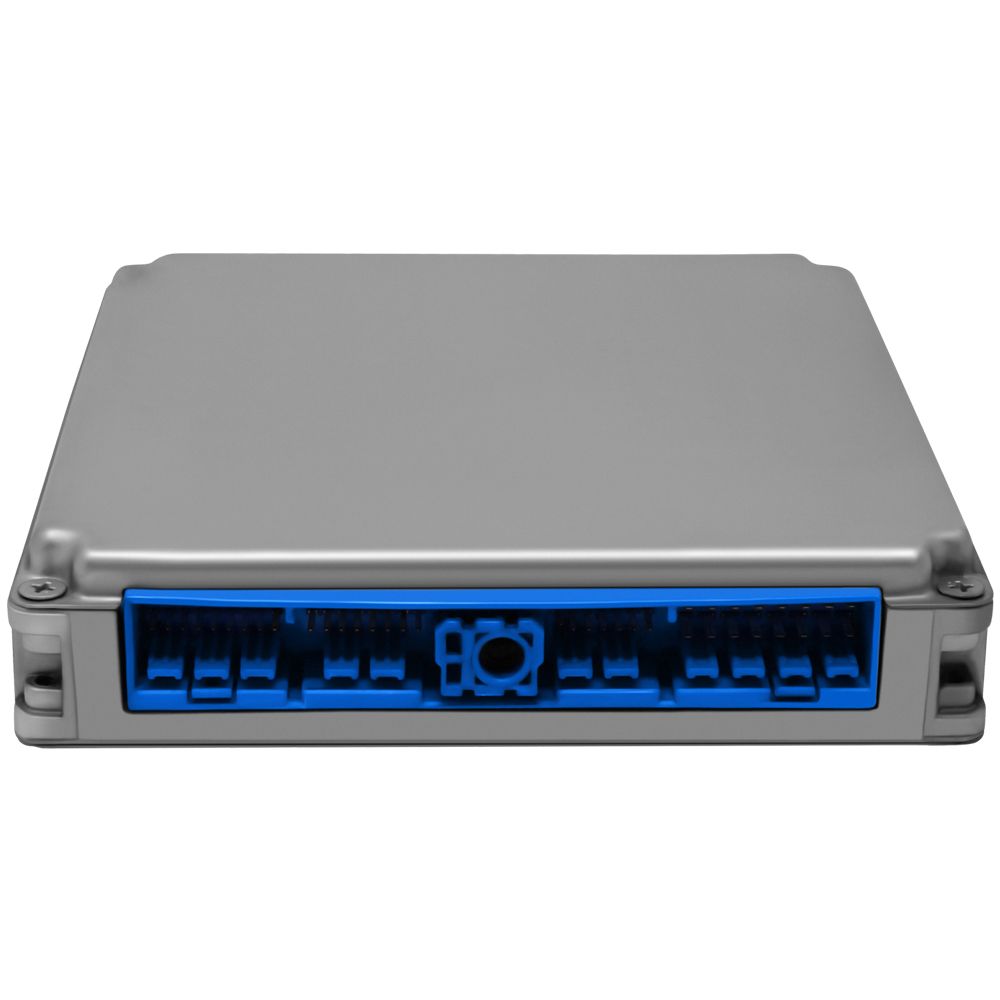
Flagship One stocks a refurbished, VIN-programmed PCM for the 1994 Nissan Sentra with a lifetime warranty, free shipping and no core charge. The full Nissan Sentra module lineup covers other engine configurations as well.
The 1994 Nissan Sentra engine control module plays an essential role in engine operation and drivability. Understanding its location, replacement procedures, and the relearn requirement helps you approach the repair with confidence. A quality remanufactured replacement can restore your vehicle to reliable operation without the uncertainty of a used unit.