
Last updated on August 25th, 2026 at 02:00 pm
The Powertrain Control Module (PCM) in your 1998 Mazda B3000 manages engine and transmission functions by processing sensor data. Failures may cause poor driveability, stalling, or diagnostic trouble codes, often due to voltage spikes or corrosion in connectors.
If your 1998 Mazda B3000 has developed a rough idle, stalling, or unexplained warning lights, the Powertrain Control Module (PCM) may be the culprit. This critical component acts as the brain of your vehicle’s engine and transmission, interpreting data from sensors to optimize performance. Over time, exposure to voltage fluctuations, moisture, or physical wear can degrade the PCM, leading to frustrating driveability issues. Replacing it isn’t just about swapping a part—it involves precise installation and programming to ensure your truck runs smoothly again. Understanding the role of the PCM, the symptoms of failure, and the steps required for replacement can save you time and avoid unnecessary dealer visits. This guide explains what the PCM does in your B3000, how to recognize when it’s failing, and why choosing the right replacement unit matters for long-term reliability.
In your 1998 Mazda B3000, the Powertrain Control Module (PCM) serves as the central computer managing both engine performance and automatic transmission functions. It continuously monitors inputs from sensors, such as the throttle position, oxygen levels, and engine temperature, to adjust fuel delivery, ignition timing, and shift points in real time. This ensures optimal power, fuel efficiency, and emissions compliance. When the PCM malfunctions, you may notice symptoms like hesitation during acceleration, erratic shifting, or even a complete no-start condition. Unlike some vehicles where the engine and transmission control modules are separate, the B3000 integrates these functions into a single unit, making it a critical component for overall drivability. If replacement becomes necessary, you’ll need replacement engine computers for the B3000 that are pre-programmed to match your vehicle’s specifications, as factory hardware limitations prevent reflashing for this model year.
1998 Mazda B3000
OEM programmed replacements — plug & play, no dealer visit.
Find yours by year, make & model →
Free shipping · Lifetime warranty
The PCM in your 1998 Mazda B3000 is located inside the cabin, typically mounted behind the dashboard on the passenger side. Accessing it requires removing the lower dashboard panel, which may involve disconnecting a few electrical connectors and fasteners. The labor time for removing and reinstalling the PCM is listed at 0.5 hours, reflecting the straightforward nature of the job once the panel is removed. After installation, the module must be securely reconnected to its wiring harness, ensuring all pins are clean and free of corrosion. While the book time doesn’t specify torque values for the mounting hardware, it’s good practice to snug the fasteners securely to prevent vibration-related issues. The same 0.5-hour labor time applies to the Engine Control Module (ECM) if your vehicle uses a separate unit, though the B3000 typically relies on the integrated PCM.
Work with the ignition off, and treat the module as static-sensitive: avoid touching the connector pins at any point.
| Operation | Configuration | Book Time |
|---|---|---|
| Powertrain Control Module R&R | B2500 | 0.5 hr |
| Powertrain Control Module R&R | B3000 | 0.5 hr |
| Powertrain Control Module R&R | B4000 | 0.5 hr |
| Powertrain Control Module Relearn | B2500 | 0.5 hr |
| Powertrain Control Module Relearn | B3000 | 0.5 hr |
| Powertrain Control Module Relearn | B4000 | 0.5 hr |
| Engine Control Module R&R | B2500 | 0.5 hr |
| Engine Control Module R&R | B3000 | 0.5 hr |
After replacing the PCM in your 1998 Mazda B3000, the factory procedure requires a relearn process to synchronize the module with your vehicle’s sensors and transmission. This step, which takes 0.5 hours of labor, ensures the PCM adapts to your truck’s specific operating conditions, such as idle speed and shift patterns. However, this model year has documented hardware limitations that prevent reflashing, meaning dealers cannot update the software if compatibility issues arise. To avoid these complications, a VIN-programmed replacement unit comes pre-configured to your vehicle’s specifications, eliminating the need for additional programming. This not only saves time but also reduces the risk of driveability problems caused by mismatched software. Once installed, the pre-programmed PCM should communicate seamlessly with your B3000’s systems, restoring smooth operation without the hassle of a dealer visit.
When the PCM in your 1998 Mazda B3000 begins to fail, the symptoms can range from subtle to severe, often mimicking other mechanical or electrical issues. One of the most common signs is a rough or unstable idle, where the engine may surge or stall unexpectedly, particularly when coming to a stop. You might also experience poor acceleration, hesitation, or a lack of power, as the PCM struggles to adjust fuel and ignition timing correctly. Transmission shifting may become erratic, with delayed or harsh gear changes, especially in automatic models. Another red flag is the illumination of the Malfunction Indicator Lamp (MIL), often accompanied by diagnostic trouble codes like transmission range sensor circuit fault, which can point to PCM-related issues. In some cases, the vehicle may fail to start at all, as the PCM fails to send the correct signals to the fuel injectors or ignition system. Scan tool communication problems, such as the inability to retrieve codes or live data, can also indicate a failing PCM. If you notice any of these symptoms, it’s worth investigating the PCM as a potential cause, especially if other common issues like spark plugs, fuel filters, or sensors have already been ruled out.
Mazda issued several service bulletins for the 1998 B3000 addressing PCM and driveability concerns. One bulletin notes that the 3.0L engine’s PCM hardware cannot be reflashed, meaning software updates are not an option for this model year. Another highlights loose ECU grounds as a potential cause of rough idle or poor driveability, emphasizing the importance of checking wiring connections during diagnostics. Additionally, bulletin K016/98 covers Malfunction Indicator Lamp (MIL) illumination linked to codes P0705, P0708, P1704, and P1705, which may indicate PCM or sensor issues in the transmission range circuit. These bulletins underscore the need for proper installation and programming when replacing the PCM, as well as thorough inspections of related wiring and connectors.
| Bulletin | Subject | What It Addresses |
|---|---|---|
| — | Mazda Tips: 3.0 L No Reflash Due To PCM Hardware (1998 2000) | — |
| — | Mazda Tips: Driveability Problems: Ecu Ground Loose | s If a customer complains of rough idle, or poor |
| — | K016/98 1997 99 B Series MIL Illumination With Dt Cs P0705, P0708, P1704 And P1705 | — |
Stalling at stoplights is a common symptom of a failing PCM in the B3000. The module may struggle to maintain idle speed due to incorrect sensor readings or fuel delivery issues. Before replacing the PCM, check for vacuum leaks, dirty throttle bodies, or faulty idle air control valves, as these can also cause similar symptoms.
Replacing the PCM in your B3000 is a straightforward job if you’re comfortable with basic electrical work and dashboard disassembly. However, the factory requires a relearn procedure afterward, which may necessitate a scan tool. If you’re unsure, a professional can complete the job in about an hour.
Installing a used PCM without reprogramming it may cause driveability issues, such as poor shifting, rough idle, or even a no-start condition. The PCM must be matched to your vehicle’s VIN to ensure proper communication with its sensors and transmission. A pre-programmed unit avoids these risks.
Code P0705 indicates a fault in the transmission range sensor circuit, which the PCM monitors. While the issue could stem from a faulty sensor or wiring, the PCM itself may also be misinterpreting the signals. Inspect the wiring and connectors first, then consider PCM replacement if the problem persists.
Distinguishing between a failing PCM and a bad sensor can be tricky. Start by checking for loose or corroded connectors, as these often mimic PCM issues. If the problem persists, use a scan tool to monitor live data—erratic readings across multiple sensors may point to a PCM failure. A professional diagnostic can help confirm the root cause.
If your 1998 Mazda B3000 is experiencing persistent driveability issues, replacing the PCM may be the solution. While a dealer visit is one option, it often involves additional labor for programming and may not be feasible due to hardware limitations. A refurbished, VIN-programmed replacement unit can restore your truck’s performance without the hassle of post-installation procedures. Whether you tackle the job yourself or leave it to a professional, choosing the right module ensures a smooth and reliable repair.
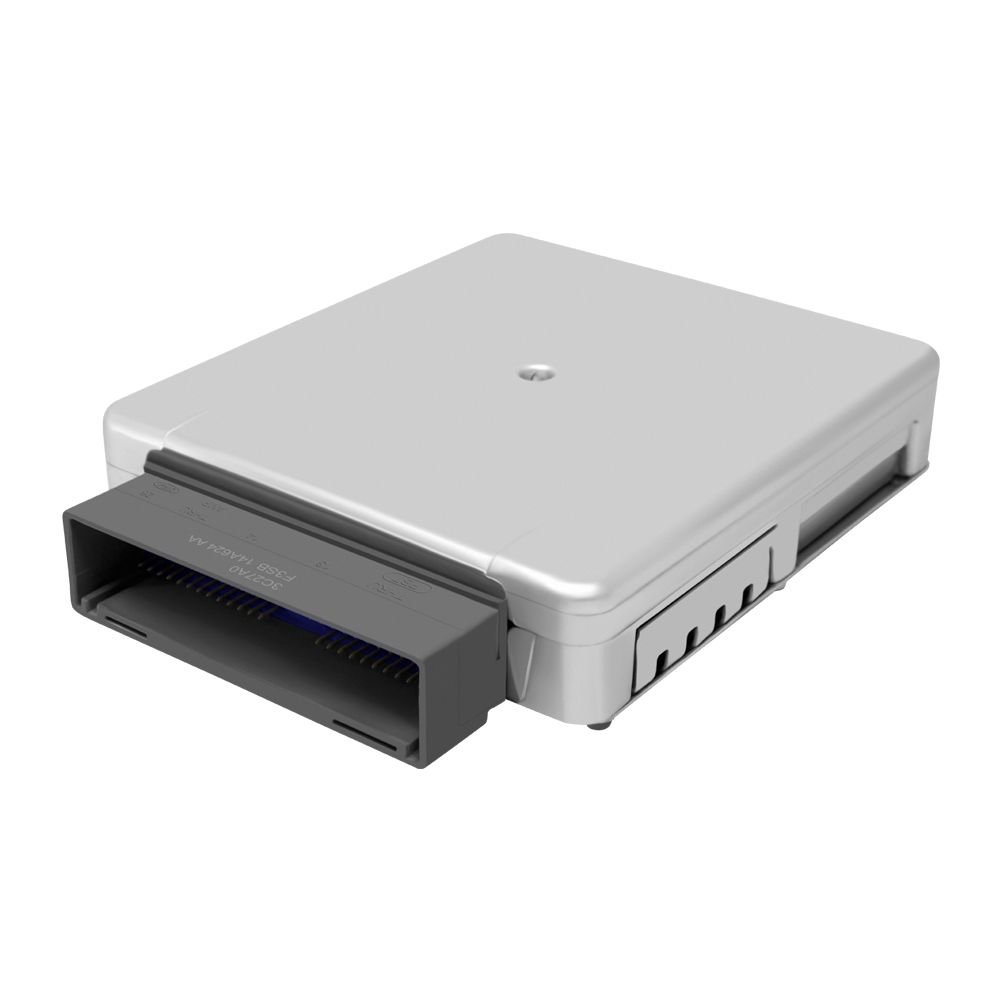
Flagship One stocks a refurbished, VIN-programmed PCM for the 1998 Mazda B3000 with a lifetime warranty, free shipping and no core charge. The full Mazda B3000 module lineup covers other engine configurations as well.
The PCM in your 1998 Mazda B3000 plays a vital role in keeping your truck running smoothly, and recognizing the signs of failure can save you from unexpected breakdowns. Whether you’re dealing with stalling, erratic shifting, or warning lights, understanding the replacement process and programming requirements helps you make an informed decision. With a pre-programmed unit, you can avoid the limitations of factory reflashing and get back on the road with confidence. If your B3000 is showing symptoms, consider a replacement PCM as a reliable solution to restore performance.