
Last updated on August 25th, 2026 at 02:01 pm
In the 1996 Mazda B3000, the Powertrain Control Module (PCM) and Engine Control Module (ECM) act as the vehicle’s electronic brains, managing fuel delivery, ignition timing and emissions. Failure of either unit may result in erratic idle, loss of power, or illumination of the malfunction indicator lamp, because the engine can no longer receive accurate sensor data or command signals.
When a 1996 Mazda B3000 begins to idle roughly, lose power or flash the check engine light, the electronic control modules often merit a closer look. The PCM and ECM govern how the engine breathes, fires and reports its health to the dashboard. Understanding what these computers do, where they sit, and what the factory expects after a swap can help you decide whether a repair or a refurbished replacement best fits your needs. This guide walks you through the function of each module, the labor involved in swapping them, the programming steps the manufacturer outlines, and practical ways to keep the electronics healthy.
The PCM in the 1996 Mazda B3000 interprets sensor inputs to regulate fuel injection, ignition timing and emission controls, while the ECM focuses on engine‑specific parameters such as idle speed and throttle response. Together they ensure smooth power delivery and compliance with emissions standards. A malfunction can disrupt these calculations, leading to driveability problems, rough idle, or a steady MIL. Because the vehicle relies on precise timing, any loss of communication may trigger diagnostic codes. The modules are interchangeable in function, and many technicians treat them as a single electronic unit. When a replacement is needed, you may encounter replacement PCM for 1996 B3000 as the common terminology used by parts distributors.
1996 Mazda B3000
OEM programmed ECM for your 1996 Mazda B3000 — plug & play, no dealer visit.
Free shipping · Lifetime warranty
Both the PCM and ECM are mounted beneath the driver’s side dashboard, secured to a metal bracket that also houses the wiring harness. Access typically requires removal of the lower instrument panel and disconnecting the primary power connector. The labor estimate for removal and reinstall is listed as 0.5 hours for each module. After the unit is seated, the connector is re‑engaged and the bracket bolts are torqued to the factory specification, if noted in the service manual. Once the hardware is back in place, the technician proceeds with the relearn routine, also allocated 0.5 hours, to sync the new computer with the engine’s sensors.
| Operation | Configuration | Book Time |
|---|---|---|
| Powertrain Control Module R&R | B2300 | 0.5 hr |
| Powertrain Control Module R&R | B3000 | 0.5 hr |
| Powertrain Control Module R&R | B4000 | 0.5 hr |
| Powertrain Control Module Relearn | B2300 | 0.5 hr |
| Powertrain Control Module Relearn | B3000 | 0.5 hr |
| Powertrain Control Module Relearn | B4000 | 0.5 hr |
| Engine Control Module R&R | B2300 | 0.5 hr |
| Engine Control Module R&R | B3000 | 0.5 hr |
Factory guidelines state that after installing a new PCM or ECM, a relearn process must be performed to calibrate the module to the engine’s unique characteristics. This includes initializing fuel trims, idle control parameters and emission monitoring cycles. Flagship One supplies units that arrive pre‑configured with the vehicle identification number, so the required VIN‑programming step is already completed. In practice, you still run the standard relearn procedure, but you can skip the separate coding session because the a VIN-programmed replacement unit contains all necessary identifiers.
A failing PCM or ECM in a 1996 Mazda B3000 often reveals itself through a combination of rough idle, hesitation during acceleration, and intermittent loss of power. Drivers may notice the check engine light lit with a stored code such as P0340 crankshaft sensor code, indicating a sensor grounding issue that the module cannot resolve. Other common signs include stalling at low speeds, misfire detection, and the inability of a scan tool to communicate with the vehicle’s computer network. These symptoms typically appear gradually, giving you a chance to address the underlying electronic fault before a complete loss of driveability occurs.
Mazda Technical Service Bulletin notes a loose ECU ground as a cause of driveability problems and recommends checking the grounding strap. Another bulletin addresses a persistent MIL illumination when code P0340 is present, advising verification of the crankshaft position sensor circuit.
| Bulletin | Subject | What It Addresses |
|---|---|---|
| — | Mazda Tips: Driveability Problems: Ecu Ground Loose | s If a customer complains of rough idle, or poor |
| — | Mazda Tips: MIL On With DTC P0340 | — |
The removal and installation each require about half an hour of labor and access to the dashboard area. If you are comfortable working with electrical connectors and have the proper tools, a DIY swap is possible, but you will still need to run the factory relearn procedure.
After the new module is installed, the vehicle must be cycled through start‑stop sequences while the engine control system records sensor data. This calibrates fuel trims and idle settings to match the engine’s condition.
A VIN‑programmed unit eliminates the separate coding step required by the factory, allowing you to focus on the mechanical install and relearn. The vehicle’s VIN is already embedded in the replacement computer.
Code P0340 typically points to a crankshaft position sensor circuit issue, often resulting from a loose ground or corroded connector, which the PCM cannot interpret correctly.
Checking the grounds during routine service—such as oil changes or brake inspections—helps catch loose connections early and can prevent driveability problems.
When the PCM or ECM in your 1996 Mazda B3000 shows signs of failure, you can choose a repair that restores the original unit or opt for a refurbished replacement that meets factory specifications. Both approaches require the same labor time and post‑install relearn, but a refurbished module from Flagship One arrives VIN‑programmed, simplifying the final steps.
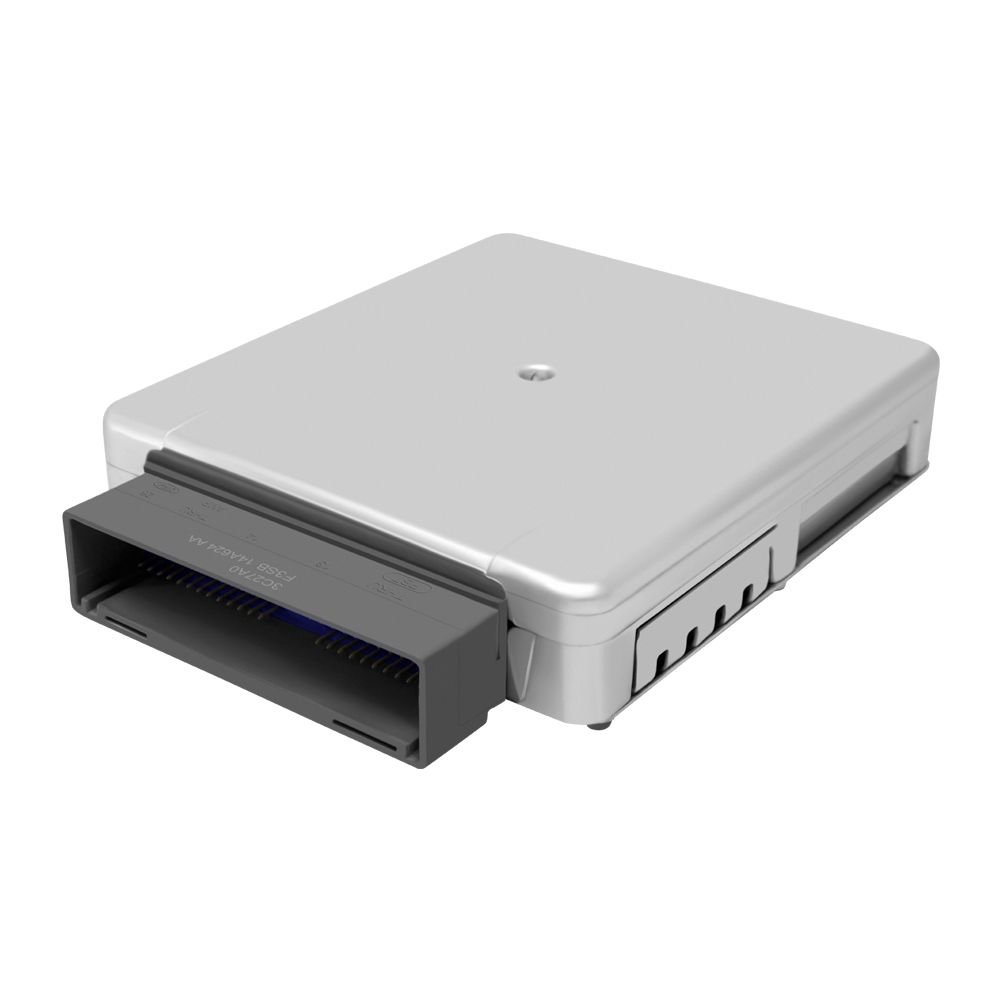
Flagship One stocks a refurbished, VIN-programmed PCM for the 1996 Mazda B3000 with a lifetime warranty, free shipping and no core charge. The full Mazda B3000 module lineup covers other engine configurations as well.
The 1996 Mazda B3000 relies on its PCM and ECM to keep the engine running smoothly. Whether you repair the existing computer or install a VIN‑programmed replacement, following the factory procedures will help restore performance and reliability. Consider the options that best fit your schedule and budget.