
Last updated on August 25th, 2026 at 02:01 pm
The powertrain control module (PCM) in your 1995 Mazda B3000 manages fuel delivery, ignition timing, and emissions systems. Failure often leads to hard starting, stalling, or poor drivability without clear mechanical causes.
If your 1995 Mazda B3000 is experiencing unexplained stalling, hard starting, or erratic engine performance, the powertrain control module (PCM) may be the culprit. Unlike mechanical issues, PCM failures often produce symptoms that seem random or intermittent, making diagnosis tricky. This module acts as the brain of your vehicle’s engine management system, coordinating fuel injection, ignition timing, and emissions controls. When it malfunctions, the engine may run poorly or refuse to start altogether. Understanding the role of the PCM, its location, and the steps involved in replacement can help you address the problem efficiently. Whether you’re a DIY enthusiast or planning to visit a mechanic, knowing what to expect can save time and reduce frustration. This guide covers the essentials of PCM function, failure symptoms, and replacement procedures specific to your B3000, ensuring you’re prepared to tackle the issue head-on.
1995 Mazda B3000
OEM programmed replacements — plug & play, no dealer visit.
Find yours by year, make & model →
Free shipping · Lifetime warranty
The powertrain control module (PCM) in your 1995 Mazda B3000 is a critical electronic component responsible for managing the engine’s performance and emissions systems. It processes data from sensors throughout the vehicle, adjusting fuel delivery, ignition timing, and idle speed to optimize efficiency and power. Without a functioning PCM, your B3000 may struggle to start, run roughly, or even stall unexpectedly. This module also plays a role in monitoring the vehicle’s emissions controls, ensuring compliance with environmental standards of the era. Over time, exposure to heat, vibration, or electrical surges can degrade the PCM’s internal circuitry, leading to failures that disrupt engine operation. When replacement becomes necessary, replacement engine computers for the B3000 are available to restore proper function, but selecting the correct unit and ensuring proper installation are key to avoiding further issues. The PCM’s role is particularly important in pre-OBD-II vehicles like yours, where diagnostic capabilities are more limited, making accurate troubleshooting essential.
In your 1995 Mazda B3000, the PCM is mounted inside the vehicle, under the dashboard on the right (passenger) side. Accessing it requires removing the lower dashboard panel, which is typically secured with screws or clips. Once the panel is removed, the PCM is visible and can be unbolted from its mounting bracket. The module is connected to the vehicle’s wiring harness via a multi-pin connector, which must be carefully disconnected before removal. Reinstallation involves reversing these steps: securing the new module in place, reconnecting the wiring harness, and reattaching the dashboard panel. While the physical replacement is straightforward, proper handling of the module and connector is important to avoid damage to the pins or circuitry. Always ensure the ignition is off before disconnecting or reconnecting the PCM to prevent electrical issues.
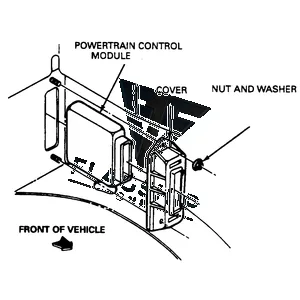
Work with the ignition off, and treat the module as static-sensitive: avoid touching the connector pins at any point.
After replacing the PCM in your 1995 Mazda B3000, the factory procedure requires programming the module to match your vehicle’s specific configuration. This process typically involves using specialized diagnostic equipment to input the vehicle identification number (VIN) and other calibration data, ensuring the PCM operates correctly with your engine and emissions systems. However, a VIN-programmed replacement unit arrives pre-configured with this information, eliminating the need for additional programming steps. This not only simplifies the installation process but also reduces the risk of errors that could lead to further drivability issues. If you opt for a non-programmed module, you’ll need to visit a dealership or a repair shop equipped with the necessary tools to complete the programming, which may add time and cost to the repair. Pre-programmed units are a practical choice for restoring your B3000’s performance without the hassle of post-installation setup.
When the PCM in your 1995 Mazda B3000 begins to fail, the symptoms can be frustratingly inconsistent. One of the most common signs is a no-start condition, where the engine cranks but refuses to fire, often due to incorrect fuel or ignition signals from the module. Stalling is another frequent issue, particularly at idle or during low-speed driving, as the PCM struggles to maintain stable engine operation. You may also notice rough idling, hesitation during acceleration, or a general lack of power, as the module fails to adjust fuel and timing accurately. In some cases, the engine may run excessively rich or lean, leading to poor fuel economy or even fouled spark plugs. Electrical gremlins, such as erratic gauge readings or intermittent warning lights, can also point to PCM problems. Since this vehicle lacks modern diagnostic capabilities, symptoms may not trigger specific trouble codes, making it important to rule out other potential causes like fuel pump failure or ignition system issues. If your B3000 exhibits a combination of these symptoms, the PCM should be considered a likely suspect.
Common signs include no-start conditions, stalling, rough idling, or erratic engine behavior. Since this vehicle lacks advanced diagnostics, symptoms may not trigger specific codes, so ruling out other issues like fuel or ignition problems is important.
Replacing the PCM is a straightforward process if you’re comfortable working under the dashboard. The module is located on the passenger side and requires removing the lower dashboard panel. Basic hand tools are sufficient, but care must be taken when handling the wiring harness.
Yes, the factory procedure requires programming the PCM with your vehicle’s VIN and calibration data. However, pre-programmed units are available to eliminate this step, simplifying the installation process.
Yes, since the PCM controls the engine’s emissions systems, a malfunctioning module can lead to incorrect fuel mixtures or ignition timing, resulting in higher emissions. Addressing PCM issues may be necessary to pass an emissions test.
Double-check all electrical connections, including the wiring harness and grounds, to ensure they are secure and free of corrosion. If the issue persists, the module may not be properly programmed or could be incompatible with your vehicle.
If your 1995 Mazda B3000 is experiencing PCM-related issues, you have options for restoring reliable performance. Replacement modules are available to address failures, whether you choose a new or refurbished unit. Opting for a pre-programmed PCM can simplify the process, eliminating the need for post-installation programming and reducing downtime. For those comfortable with DIY repairs, the replacement process is manageable with basic tools, while others may prefer professional installation to ensure accuracy. Either way, addressing PCM problems promptly can help avoid further drivability issues and keep your B3000 running smoothly.
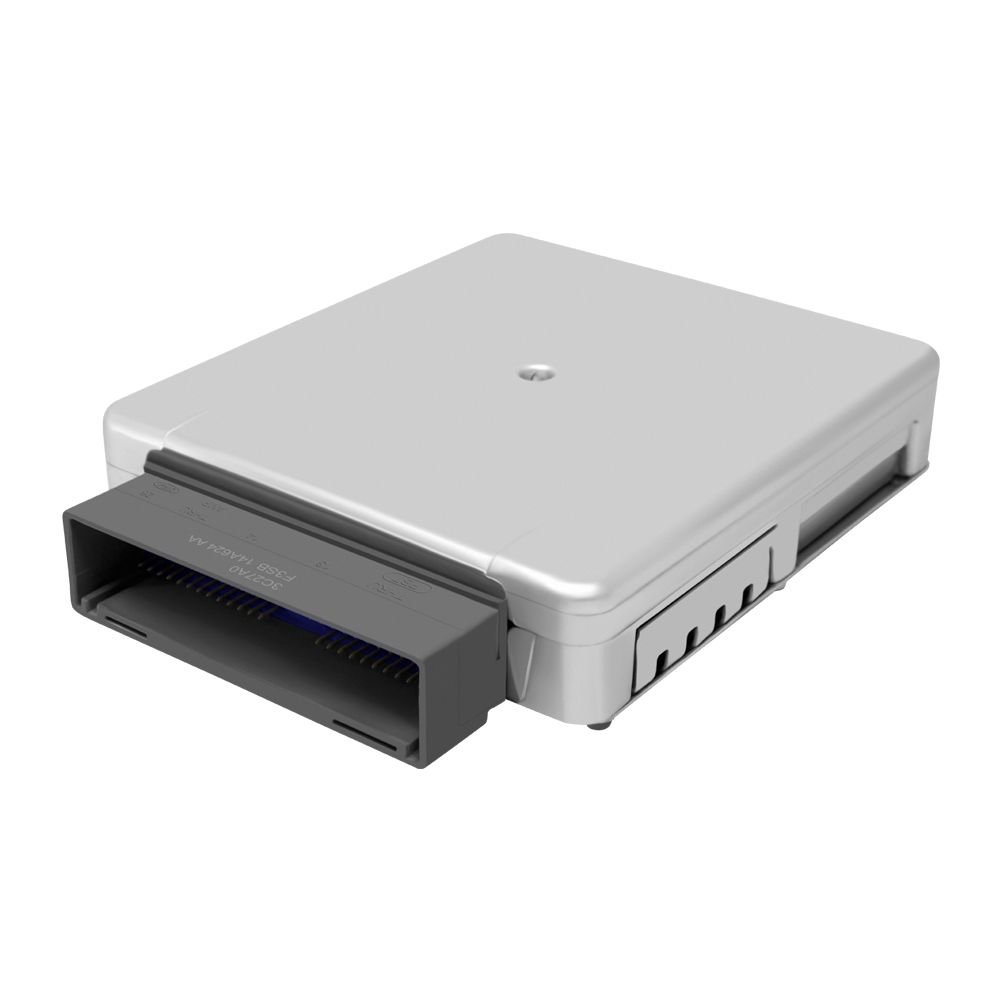
Flagship One stocks a refurbished, VIN-programmed ECM for the 1995 Mazda B3000 with a lifetime warranty, free shipping and no core charge. The full Mazda B3000 module lineup covers other engine configurations as well.
The powertrain control module in your 1995 Mazda B3000 plays a vital role in engine performance and emissions control. When it fails, symptoms like stalling, no-start conditions, or rough running can disrupt your driving experience. Understanding the module’s function, location, and replacement process empowers you to address issues efficiently. Whether you tackle the repair yourself or seek professional help, ensuring the PCM is properly installed and programmed is key to restoring your B3000’s reliability. With the right approach, you can keep your vehicle running smoothly for years to come.