
Last updated on August 25th, 2026 at 02:24 pm
In the 2011 Chevrolet Tahoe the powertrain control module (PCM) and engine control module (ECM) manage fuel delivery, ignition timing, transmission shifting and emissions. A failure in either unit can cause loss of engine power, stalling, or inability to start, and may trigger multiple diagnostic trouble codes.
When a 2011 Chevrolet Tahoe experiences erratic power‑train behavior, the PCM or ECM may be at fault. Understanding how these computers function, where they sit, and what the factory service procedure entails can help you decide between a new unit or a refurbished replacement. This guide walks you through the basics, the labor involved, programming requirements and practical steps to keep the system healthy.
The PCM in a 2011 Chevrolet Tahoe coordinates engine and transmission control, while the ECM focuses on engine management functions such as fuel injection and ignition timing. Together they ensure smooth power delivery and compliance with emissions standards. Proper operation is essential for reliable performance, especially under load or during cold starts. Replacement units are typically marketed as replacement engine computers for the 2011 Chevrolet Tahoe and must match the vehicle’s specifications to maintain calibration integrity.
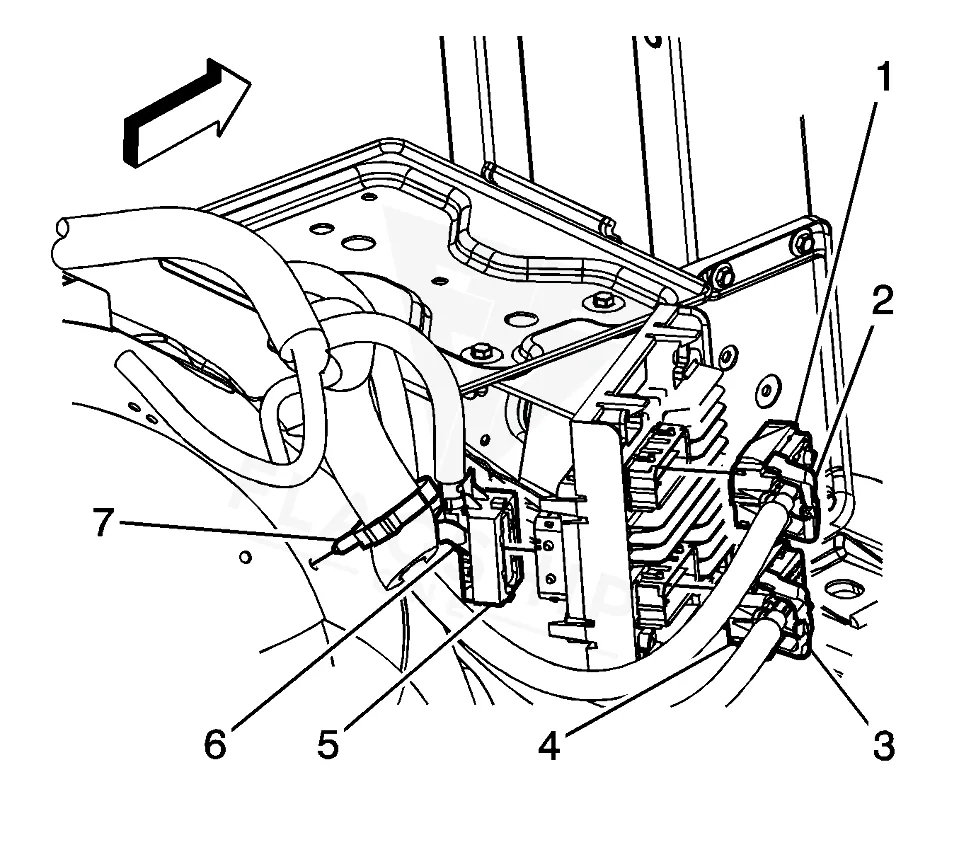
Work with the ignition off, and treat the module as static-sensitive: avoid touching the connector pins at any point.
| Operation | Configuration | Book Time |
|---|---|---|
| Powertrain Control Module R&R | All configurations | 1.4 hr |
| Powertrain Control Module Relearn | All configurations | 0.5 hr |
| Engine Control Module R&R | All configurations | 1.4 hr |
| Engine Control Module Relearn | All configurations | 0.5 hr |
| Engine Control Module Reset | All configurations | 0.3 hr |
2011 Chevrolet Tahoe
OEM programmed ECM for your 2011 Chevrolet Tahoe — plug & play, no dealer visit.
Free shipping · Lifetime warranty
After the PCM or ECM is installed, the factory service routine calls for a data capture before removal and a specific calibration upload using special equipment. Flagship One units arrive VIN‑programmed so those steps are already completed, eliminating the need for on‑site programming. The process is described as using a VIN‑programmed replacement unit that matches the vehicle’s software version.
Typical signs of a failing PCM or ECM in a 2011 Chevrolet Tahoe include engine no‑start, intermittent stalling, loss of power, and transmission shifting irregularities. Scan tools often report multiple codes, and one common fault is internal PCM memory error. Communication with the scan tool may be lost, and the check engine light can flash repeatedly.
The following diagnostic trouble codes are documented for the 2011 Chevrolet Tahoe’s PCM and ECM:
Service bulletin #PIP4653D, dated June 20, 2012, addresses stored codes P0601, P0603, P0604, P062F and P1621 in the TCM, providing guidance for diagnosis and repair.
| Bulletin | Subject | What It Addresses |
|---|---|---|
| — | DTC’s P0601 P0603 P0604 P062F Or P1621 (Stored in the TCM) – (Jun 20, 2012) | — |
Yes, because the PCM controls shift timing, a malfunction can result in harsh or delayed shifts, especially under load.
Standard torque wrenches and the vehicle’s scan tool are sufficient; the factory procedure does not require proprietary hardware beyond the calibration equipment.
Connecting accessories at the battery with proper power and ground wiring helps protect the vehicle’s electronics from damage.
When the PCM or ECM in a 2011 Chevrolet Tahoe needs attention, you can choose a new factory‑spec unit or a refurbished replacement that meets the original specifications. Both options require the same removal and relearn steps, but a refurbished unit from Flagship One arrives pre‑programmed, simplifying the post‑install process and reducing shop time.
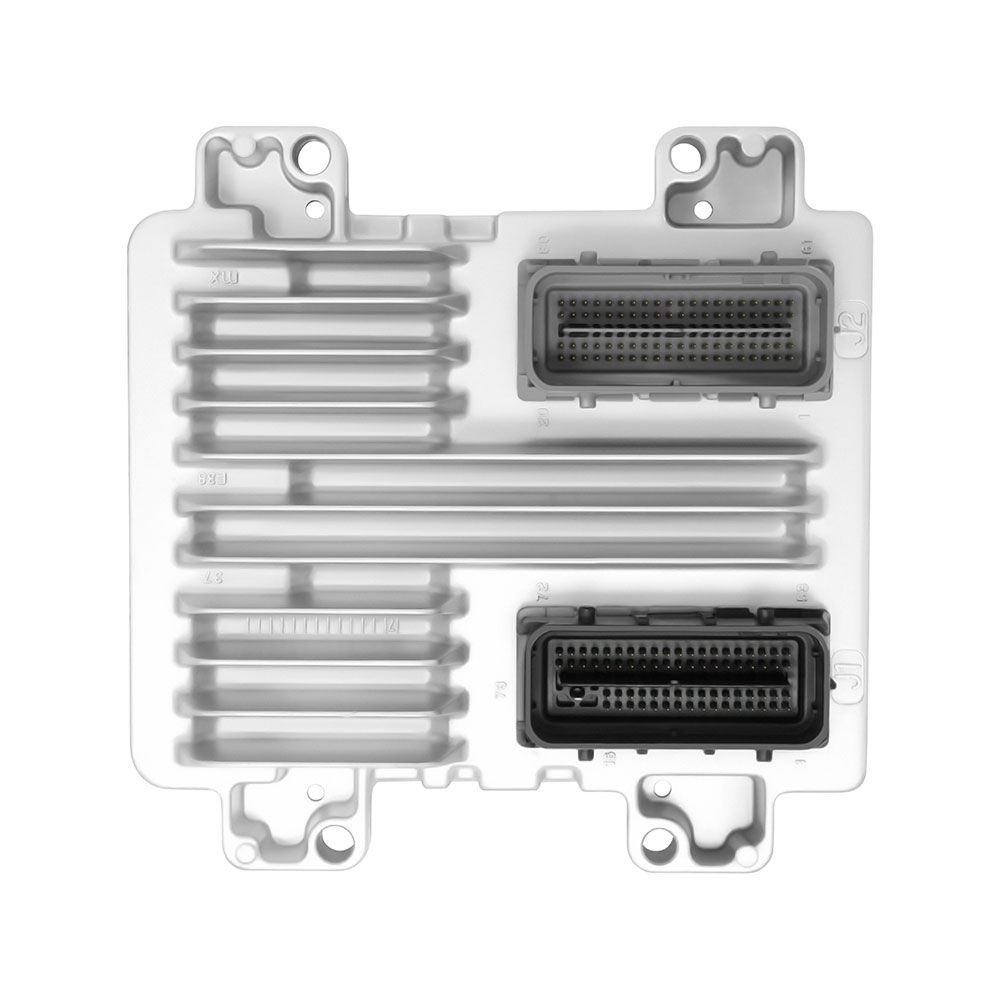
Flagship One stocks a refurbished, VIN-programmed PCM for the 2011 Chevrolet Tahoe with a lifetime warranty, free shipping and no core charge. The full Chevrolet Tahoe module lineup covers other engine configurations as well.
For owners of a 2011 Chevrolet Tahoe, addressing PCM or ECM issues promptly can restore reliable performance. Consider a Flagship One replacement that arrives VIN‑programmed to meet factory standards and keep your vehicle running smoothly.