
Last updated on August 25th, 2026 at 02:22 pm
The powertrain control module in your 2014 Chevrolet Tahoe serves as the primary computer for the 5.3L engine, governing fuel delivery, ignition timing, and emissions systems. Internal module failures commonly produce multiple diagnostic trouble codes simultaneously, often stemming from voltage irregularities, heat damage, or corrupted memory.
If your 2014 Chevrolet Tahoe develops hard-starting, stalling, or illuminated warning lights, the powertrain control module may be responsible. This electronic control unit manages critical engine and transmission functions, processing data from numerous sensors to maintain proper operation. When internal electronics fail, symptoms can affect multiple vehicle systems simultaneously. Understanding the replacement process, programming requirements, and factory cautions helps you make informed decisions about repairs. This guide covers what the module does, common failure indicators, professional replacement procedures, and steps to protect your investment. Whether you are experiencing current symptoms or preparing for potential future issues, knowing how this system works empowers you to discuss repair options knowledgeably with your technician.
The engine control module in your Tahoe acts as the central nervous system for the 5.3L V8 engine, continuously processing sensor data to optimize fuel delivery, spark timing, and emissions control across all driving conditions. This computer maintains bidirectional communication with the transmission control module, ensuring smooth gear changes and protecting drivetrain components. Dozens of sensors feed information to this processor, including mass airflow, oxygen sensors, throttle position, and crankshaft position data. The module uses these inputs to command fuel injectors, ignition coils, variable valve timing actuators, and the torque management system. As the primary data processing center, it also monitors its own internal circuits and memory integrity, setting trouble codes when anomalies are detected. For owners researching replacement engine computers for the Tahoe, understanding this integration helps explain why symptoms often span multiple vehicle systems when the module malfunctions. The computer stores adaptive fuel trims learned over time, which are reset during relearn procedures after replacement.
Flagship One keeps Chevrolet Tahoe replacement engine computers in stock for exactly this failure pattern.
2014 Chevrolet Tahoe
OEM programmed ECM for your 2014 Chevrolet Tahoe — plug & play, no dealer visit.
Free shipping · Lifetime warranty
The powertrain control module on this vehicle mounts in the engine compartment, typically secured to the firewall or a structural brace. Technicians first disconnect the negative battery terminal to prevent electrical damage before beginning work. The replacement process requires removing the existing module from its mounting location, disconnecting the electrical harness, and transferring any brackets or heat shields. Book time for powertrain control module removal and installation is 1.4 hours. After the new module is installed, a relearn procedure must be performed to allow the vehicle systems to adapt to the replacement unit. This relearn process requires 0.5 hours according to factory labor estimates. A reset procedure, taking 0.3 hours, may also be necessary to initialize the new module and clear temporary data. Original equipment modules from the dealer often require separate programming sessions using GM diagnostic equipment, while quality aftermarket replacements may arrive pre-configured for your specific vehicle identification number.
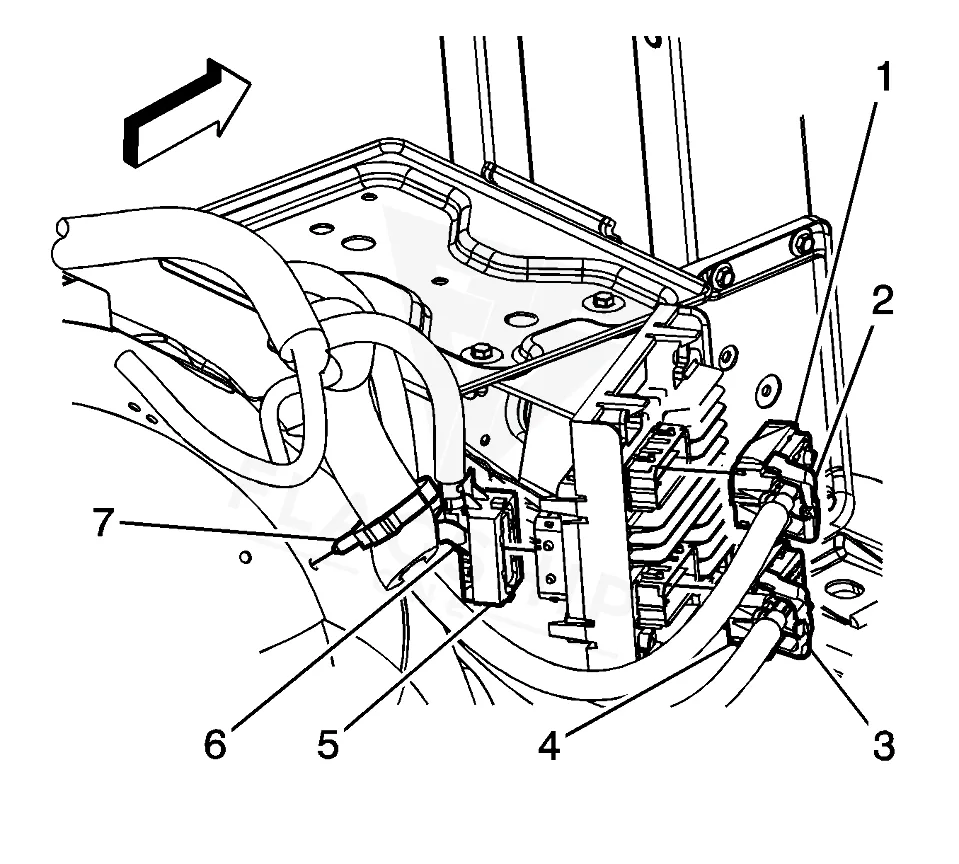
Work with the ignition off, and treat the module as static-sensitive: avoid touching the connector pins at any point.
| Operation | Configuration | Book Time |
|---|---|---|
| Powertrain Control Module R&R | All configurations | 1.4 hr |
| Powertrain Control Module Relearn | All configurations | 0.5 hr |
| Engine Control Module R&R | All configurations | 1.4 hr |
| Engine Control Module Relearn | All configurations | 0.5 hr |
| Engine Control Module Reset | All configurations | 0.3 hr |
Factory procedure requires capturing existing module data with a scan tool before removal, using the captured information as a reference during diagnosis. The replacement module must be programmed with the correct calibration files specific to the Tahoe and its 5.3L engine using GM-approved diagnostic equipment and software. This programming process requires special tools that most independent repair facilities do not possess. After installing a replacement module, the vehicle must complete a relearn sequence so the powertrain system can calibrate to the new unit. The fuel system adapts its learned values during this period. For owners purchasing a VIN-programmed replacement unit from a quality supplier, the module arrives ready to install, eliminating the need to schedule separate programming appointments or pay dealer programming fees. This pre-programming means the module can be installed and the vehicle returned to operation more quickly than with conventional dealer-sourced replacements.
Every VIN-programmed replacement unit from Flagship One arrives with these steps already completed.
Your 2014 Chevrolet Tahoe may experience various symptoms when the powertrain control module begins to fail. Hard starting or no-start conditions often occur first, as the module loses its ability to manage fuel delivery and ignition timing effectively. The engine may stall unexpectedly or run roughly, particularly during acceleration or when idling. Misfire codes frequently appear in the diagnostic system when internal processing fails. Many owners notice their scan tool loses communication with the powertrain control system entirely when certain internal faults develop. Transmission shifting problems may develop as the module can no longer properly coordinate transmission functions. When code P0601 appears, indicating memory checksum errors in the module’s internal memory, these symptoms typically progress rapidly and worsen with continued operation.
The 2014 Chevrolet Tahoe may store multiple module-internal diagnostic trouble codes when internal problems develop. These codes indicate various types of memory, processor, and calibration failures within the module itself rather than external sensor or wiring problems. Code P0601 represents internal memory checksum errors. Code P0602 indicates programming memory errors. Codes P0603 and P0604 relate to internal control module failures. Code P0606 indicates processor faults. Code P060B refers to internal analog-to-digital conversion failures. Code P062F identifies internal EEPROM memory problems. Code P1621 relates to control module random access memory faults. Multiple simultaneous codes often point directly to module replacement rather than individual sensor faults.
Factory service bulletin PI1082 addresses conditions where the malfunction indicator lamp illuminates and diagnostic trouble code P069E sets on certain GM vehicles. This bulletin relates to fuel pump control module communication issues that may affect overall system operation. Service bulletin 09-06-04-026 provides guidance for identifying non-GM aftermarket engine and transmission calibrations on V6 and V8 gasoline engines using Tech 2 or Global Diagnostic System 2. This bulletin helps technicians recognize when vehicles may have been programmed with third-party calibration files. Both bulletins originate from 2013 and apply to vehicles in this model year range. Consulting these bulletins during diagnosis may reveal whether symptoms stem from module failures or calibration-related issues.
| Bulletin | Subject | What It Addresses |
|---|---|---|
| — | Malfunction Indicator Lamp (MIL) On, DTC P069E Set – (Oct 10, 2013) | — |
| 09-06-04-026 | Identifying Non-GM (Aftermarket) Engine and Transmission Calibrations for V6 and V8 Gasoline En | — |
Multiple module-internal trouble codes appearing simultaneously, especially codes beginning with P0600 or P1600 series, often indicate internal module failure rather than external sensor problems. A professional diagnostic scan comparing sensor operation against module communication can confirm whether replacement is needed.
Used modules typically require programming to match your vehicle’s specific VIN and configuration. Even if a used module accepts programming, there is no way to verify its internal condition or remaining service life. A remanufactured or new unit with verified programming provides more reliable results.
If the module itself has failed internally, replacement will resolve the associated trouble codes. However, underlying causes such as voltage spikes, poor grounds, or aftermarket equipment interference may damage a replacement module identically if those conditions are not corrected first.
Module replacement represents a significant repair decision for your 2014 Chevrolet Tahoe. Professional technicians can confirm whether the powertrain control module is truly at fault through systematic diagnosis, ruling out simpler issues first. Remanufactured units from quality suppliers offer a middle ground between dealer pricing and used parts, typically with warranty coverage. Pre-programmed replacement modules arrive configured for your specific vehicle identification number, reducing installation complexity and eliminating separate programming appointments. Discuss all available options with your repair facility to determine the most appropriate solution for your vehicle and budget.
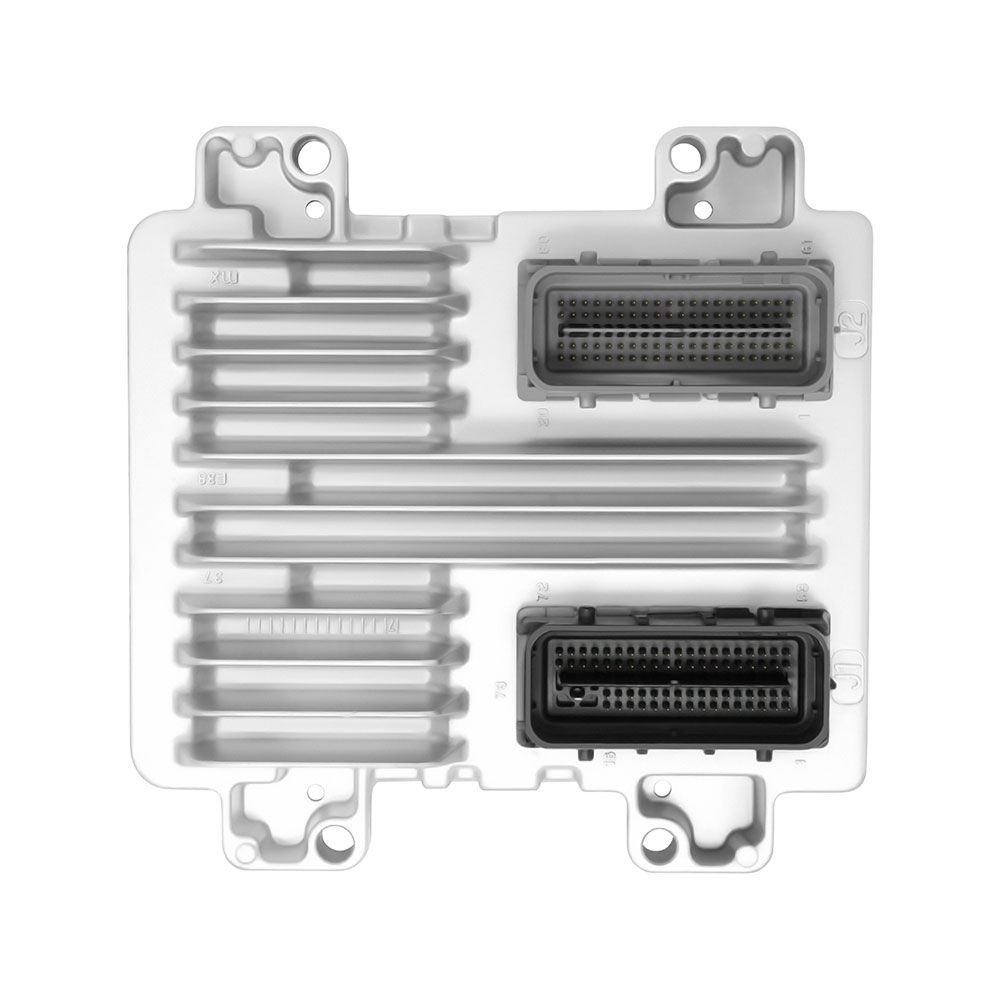
Flagship One stocks a refurbished, VIN-programmed PCM for the 2014 Chevrolet Tahoe with a lifetime warranty, free shipping and no core charge. The full Chevrolet Tahoe module lineup covers other engine configurations as well.
The powertrain control module in your 2014 Chevrolet Tahoe plays an essential role in engine operation and drivability. When internal electronics fail, symptoms can escalate quickly and leave the vehicle inoperable. Professional diagnosis helps confirm whether replacement is necessary and identifies any underlying causes that should be addressed. Quality replacement modules configured for your Tahoe can restore normal operation without requiring separate programming appointments.