
Last updated on August 25th, 2026 at 02:23 pm
The powertrain control module (PCM) or engine control module (ECM) in your 2013 Chevrolet Tahoe manages fuel, ignition, and transmission operation. Internal faults like P0601, P0602, or P0606 indicate module failure. Corrosion at connectors, as described in bulletin 09-06-03-004E, can cause intermittent no-start or communication loss.
If your 2013 Chevrolet Tahoe is experiencing intermittent no-start, warning lights, or communication loss, the PCM or ECM may be at fault. This module controls engine and transmission functions, and failure can stem from internal faults or connector corrosion. The factory cautions that any add-on electrical equipment must be connected directly to the battery to prevent damage. Before removing the ECM, you should capture its data with a scan tool. Reprogramming requires special equipment and the correct calibration. This guide explains symptoms, replacement steps, and how a pre-programmed unit can simplify the process.
The powertrain control module (PCM) in your 2013 Chevrolet Tahoe acts as the central computer for engine and transmission management. It processes sensor inputs to control fuel delivery, ignition timing, and shift points. When the module fails internally, it may set codes like P0601 or P0606. Corrosion at the connector pins, as noted in bulletin 09-06-03-004E, can also cause intermittent issues. If you need a new unit, consider replacement engine computers for the Tahoe that come pre-programmed to your vehicle’s VIN, avoiding the need for dealer reprogramming.
The PCM/ECM on a 2013 Chevrolet Tahoe is typically located in the engine compartment, often near the battery or on the firewall. Replacement involves disconnecting the battery, removing the electrical connectors, and unbolting the module. The factory book time for removal and installation is 1.4 hours. After installation, a relearn procedure takes 0.5 hours, or a reset takes 0.3 hours. The factory also advises connecting any add-on electrical equipment directly to the battery to prevent module damage.
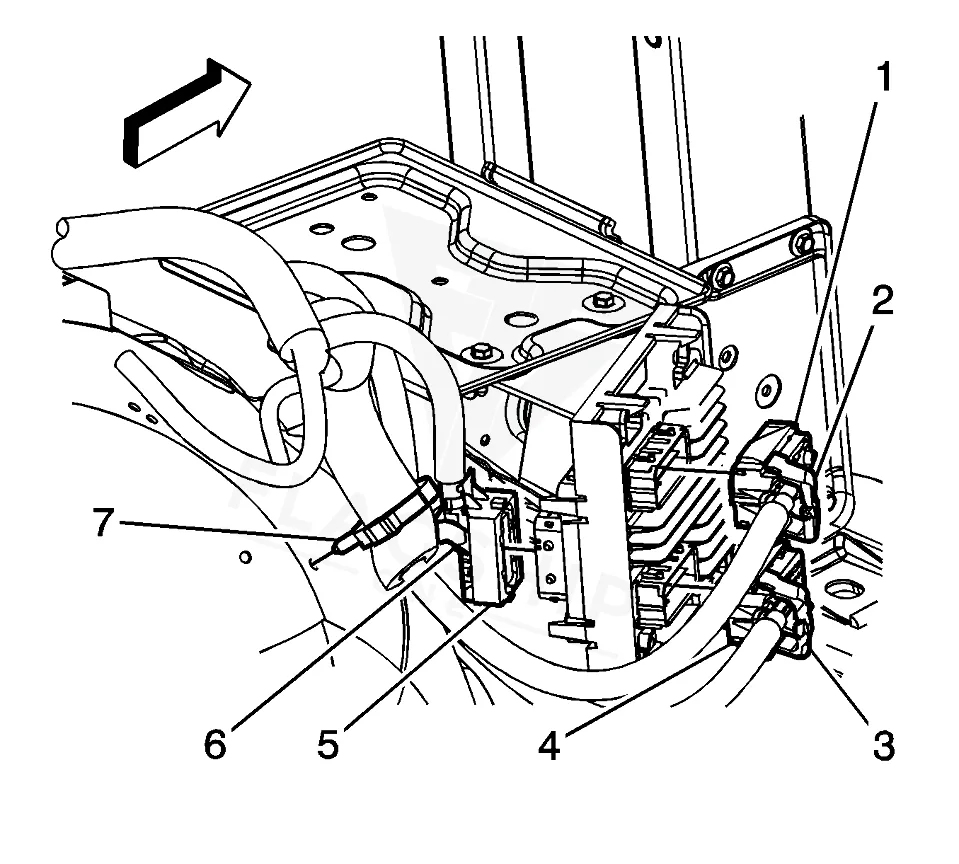
Work with the ignition off, and treat the module as static-sensitive: avoid touching the connector pins at any point.
| Operation | Configuration | Book Time |
|---|---|---|
| Powertrain Control Module R&R | All configurations | 1.4 hr |
| Powertrain Control Module Relearn | All configurations | 0.5 hr |
| Engine Control Module R&R | All configurations | 1.4 hr |
| Engine Control Module Relearn | All configurations | 0.5 hr |
| Engine Control Module Reset | All configurations | 0.3 hr |
2013 Chevrolet Tahoe
OEM programmed ECM for your 2013 Chevrolet Tahoe — plug & play, no dealer visit.
Free shipping · Lifetime warranty
Factory procedure requires that before removing the ECM, you use a scan tool to capture the module’s data. Reprogramming the new module demands special equipment and the correct program and calibration for your vehicle. Instead of performing these steps yourself, you can order a VIN-programmed replacement unit that arrives ready to install, with all necessary programming already completed.
A failing PCM or ECM in your 2013 Chevrolet Tahoe may cause intermittent no-start, stalling, or rough running. You might see the malfunction indicator lamp (MIL) or other warning lights. Scan tool communication may be lost, and transmission shifting can become erratic. One common internal fault is internal control module fault P0601, which indicates a memory or processor issue. Other codes like P0602, P0603, or P0606 point to similar internal failures.
The following trouble codes are stored within the module itself and indicate internal hardware or software faults. They are not related to external sensors or circuits. These codes require module replacement or reprogramming.
Service bulletin #09-06-03-004E addresses intermittent no-crank/no-start, MIL illumination, warning messages, and DTCs set by various control modules. The condition may be intermittent and difficult to duplicate. The cause is fretting corrosion at the connector terminals. The repair involves disconnecting the affected connector and applying dielectric lubricant to the terminals. This bulletin applies to the 2013 Chevrolet Tahoe and other GM vehicles.
| Bulletin | Subject | What It Addresses |
|---|---|---|
| 09-06-03-004 | Intermittent No Crank/No Start, No Module Communication, MIL, Warning Lights, Vehicle Messages | Some customers may comment on any of the following conditions: An intermittent no crank/no start Intermittent malfunction indicator lamp (MIL) illumination… |
Look for module-internal codes like P0601 or P0606. These indicate the module itself is failing, not an external sensor. Intermittent no-start or warning lights that come and go are also common signs.
Yes, the book time for R&R is 1.4 hours. However, you must capture ECM data with a scan tool before removal, and reprogramming requires special equipment. A pre-programmed unit eliminates that step.
Bulletin 09-06-03-004E describes intermittent no-start and warning lights caused by corrosion at module connectors. The fix is to disconnect the connector and apply dielectric lubricant.
For your 2013 Chevrolet Tahoe, a failed PCM or ECM can be replaced with a refurbished or new unit. Repairing the original module is rarely cost-effective. A VIN-programmed replacement from Flagship One arrives ready to install, saving you the time and expense of dealer reprogramming.
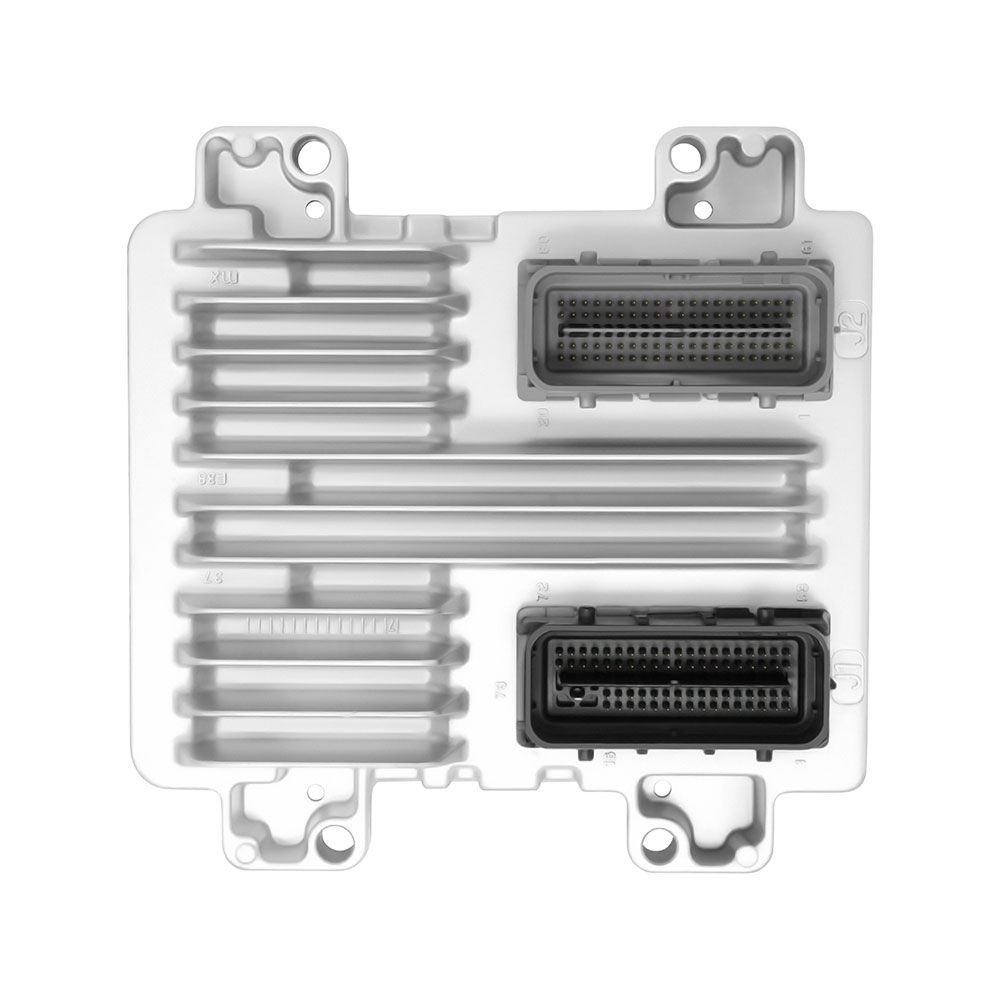
Flagship One stocks a refurbished, VIN-programmed PCM for the 2013 Chevrolet Tahoe with a lifetime warranty, free shipping and no core charge. The full Chevrolet Tahoe module lineup covers other engine configurations as well.
A failing PCM or ECM in your 2013 Chevrolet Tahoe can cause frustrating intermittent issues. Replacing the module with a pre-programmed unit from Flagship One ensures a straightforward installation without the need for special reprogramming equipment. Get your Tahoe back on the road reliably.