
Last updated on August 25th, 2026 at 01:41 pm
The Powertrain Control Module (PCM) in your 2000 Chevrolet Corvette manages engine and transmission functions by processing sensor data. Failures may cause erratic performance, no-start conditions, or stored trouble codes related to internal memory errors.
If your 2000 Chevrolet Corvette is experiencing unexplained stalling, rough idling, or a refusal to start, the Powertrain Control Module (PCM) may be the culprit. This critical component acts as the brain of your vehicle’s engine and transmission, interpreting data from sensors to optimize performance. Over time, exposure to heat, vibration, or electrical surges can degrade its internal circuitry, leading to intermittent or permanent failures. Replacing the PCM isn’t just about swapping hardware—it involves careful handling to avoid damage and ensuring the new unit syncs correctly with your Corvette’s systems. Understanding the process, from labor times to post-installation steps, helps you make informed decisions and avoid unnecessary complications. Whether you’re a DIY enthusiast or planning to visit a shop, knowing what to expect can save time and frustration.
The Powertrain Control Module in your 2000 Chevrolet Corvette is responsible for managing nearly every aspect of engine and transmission operation. It processes inputs from sensors monitoring throttle position, oxygen levels, engine temperature, and more to adjust fuel delivery, ignition timing, and shift points in real time. This ensures optimal performance, fuel efficiency, and emissions compliance. Without a functioning PCM, your Corvette may struggle to start, run erratically, or even enter a limp-home mode to prevent further damage. The module’s role extends beyond basic engine control—it also communicates with other onboard systems, such as the anti-lock brakes and traction control, to maintain drivability. When failures occur, they often stem from internal memory corruption, voltage spikes, or physical damage to the circuit board. Replacing the PCM isn’t just about restoring function; it’s about ensuring your vehicle operates as Chevrolet intended. For a seamless repair, replacement engine computers for the Corvette are designed to meet or exceed factory specifications, providing a reliable solution without the guesswork.
In the 2000 Chevrolet Corvette, the Powertrain Control Module is located in the engine bay, typically mounted near the firewall or on the driver’s side inner fender. Accessing it requires removing a protective cover or panel, which may involve unbolting a few fasteners. Once exposed, the module is secured by a connector and possibly a mounting bracket. The factory labor time for removing and replacing the PCM is 0.8 hours, which includes disconnecting the battery, unplugging the wiring harness, and reinstalling the new unit. After installation, a relearn procedure is necessary to synchronize the module with your Corvette’s systems, adding another 0.5 hours of labor. It’s critical to handle the module carefully—avoid touching the connector pins or circuit board to prevent electrostatic discharge, which can cause immediate or latent damage. Always ensure the ignition is off before disconnecting or reconnecting the PCM to avoid electrical issues.
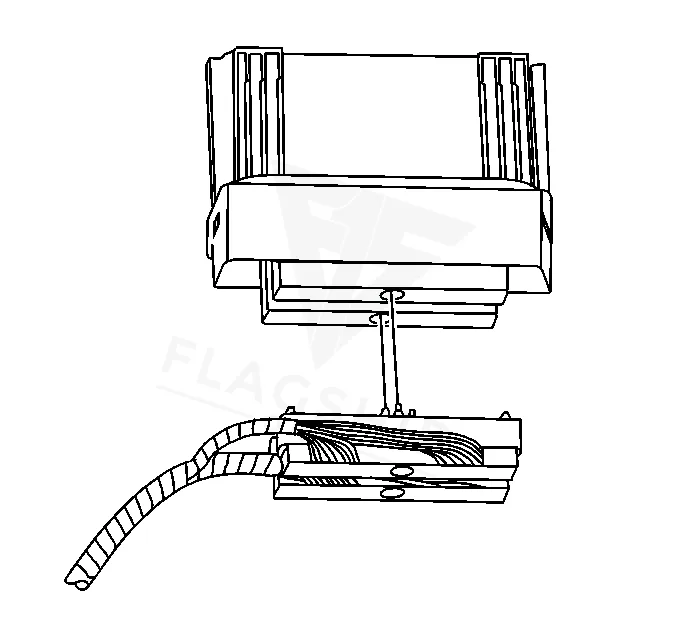
Work with the ignition off, and treat the module as static-sensitive: avoid touching the connector pins at any point.
| Operation | Configuration | Book Time |
|---|---|---|
| Engine Control Module R&R | All configurations | 0.8 hr |
| Engine Control Module Relearn | All configurations | 0.5 hr |
| Powertrain Control Module R&R | All configurations | 0.8 hr |
| Powertrain Control Module Relearn | All configurations | 0.5 hr |
2000 Chevrolet Corvette
OEM programmed ECM for your 2000 Chevrolet Corvette — plug & play, no dealer visit.
Free shipping · Lifetime warranty
After replacing the Powertrain Control Module in your 2000 Chevrolet Corvette, the factory requires a relearn procedure to ensure the new unit communicates correctly with the engine and transmission. This process typically involves using a scan tool to reset adaptive values, recalibrate the throttle position, and synchronize the module with the vehicle’s immobilizer system. Additionally, the remaining engine oil life must be recorded and programmed into the new module; if this step is skipped, the system defaults to 100%, which may lead to premature or delayed oil change reminders. The factory labor time for this relearn is 0.5 hours, but it can be avoided entirely by installing a VIN-programmed replacement unit. These units arrive pre-configured to your Corvette’s specifications, eliminating the need for additional programming and reducing the risk of post-installation issues. This ensures your vehicle operates as intended from the moment the new module is installed.
When the Powertrain Control Module in your 2000 Chevrolet Corvette begins to fail, you may notice a range of symptoms that can mimic other issues, making diagnosis tricky. Common signs include intermittent stalling, especially at idle or during deceleration, as the module struggles to maintain consistent fuel and spark delivery. The engine may also hesitate or surge under acceleration, as if the throttle response is delayed or erratic. In some cases, the Corvette may refuse to start altogether, leaving you with a cranking engine that never fires. Transmission shifting issues, such as harsh or delayed gear changes, can also indicate PCM problems, as the module controls both engine and transmission functions. Another telltale sign is the illumination of the check engine light, often accompanied by trouble codes stored in the system. For example, a memory checksum error suggests internal corruption within the module, while other codes like P0603 or P0604 may point to power supply or communication faults. If your scan tool fails to communicate with the PCM, that’s a strong indicator of a complete module failure. These symptoms can worsen over time, so addressing them promptly can prevent further drivability issues or potential damage to other components.
The 2000 Chevrolet Corvette’s Powertrain Control Module can generate specific trouble codes when internal faults are detected. These codes often point directly to issues within the module itself, rather than external sensors or wiring problems.
General Motors has issued service bulletins addressing PCM reprogramming and diagnostic procedures for the 2000 Chevrolet Corvette. Bulletin #99-06-04-053, released in October 1999, provides information on updating the PCM software to address known issues or improve performance. A later bulletin, #02-06-04-022 (updated as #02-06-04-022A in October 2003), outlines procedures for PCM reprogramming and data line diagnosis using the J 42236-A tool. These bulletins emphasize the importance of keeping the module’s software up to date to avoid drivability issues or false trouble codes. While not all Corvettes will require reprogramming, following these guidelines can help maintain optimal performance and prevent unnecessary repairs.
| Bulletin | Subject | What It Addresses |
|---|---|---|
| 99-06-04-053 | Info – PCM Reprogramming – (Oct 26, 1999) | — |
| 02-06-04-022 | Info – PCM Reprogramming and Data Line Diagnosis Using J 42236-A – (Oct 13, 2003) | — |
A stalling issue after battery replacement often points to a PCM relearn requirement. The module may need to recalibrate idle settings, especially if the battery was disconnected for an extended period. A scan tool can reset these values, or the vehicle may relearn them after several drive cycles. If stalling persists, the PCM itself may be failing.
While the vehicle may still run with a P0601 code, it’s not advisable to ignore it. This code indicates an internal memory error in the PCM, which can lead to erratic engine behavior or a no-start condition. Addressing it promptly can prevent further issues, such as transmission shifting problems or fuel delivery faults.
Start by checking for power and ground at the PCM connector with a multimeter. If those are present, use a scan tool to verify communication with the module. If the scan tool can’t connect, the PCM may be faulty. If it connects but shows multiple unrelated codes, the issue could be wiring, grounds, or a failing module.
If the remaining engine oil life isn’t programmed into the new PCM, the system will default to 100%. This means your oil change reminder may not trigger at the correct interval, potentially leading to premature engine wear or unnecessary oil changes. A scan tool can update this value after installation.
Yes, even when installed correctly, aftermarket accessories can cause electrical interference or voltage spikes that may damage the PCM. The factory recommends connecting all add-on equipment directly to the battery’s power and ground to minimize risk. If you experience drivability issues after installing accessories, disconnect them to see if the problem resolves.
If your 2000 Chevrolet Corvette is exhibiting symptoms of a failing PCM, you have options beyond a costly dealership repair. A refurbished replacement module can restore functionality at a fraction of the price, especially when pre-programmed to your VIN. This eliminates the need for additional programming steps and ensures compatibility with your vehicle’s systems. Whether you’re tackling the job yourself or relying on a trusted mechanic, choosing a reliable replacement can save time and prevent further issues down the road.
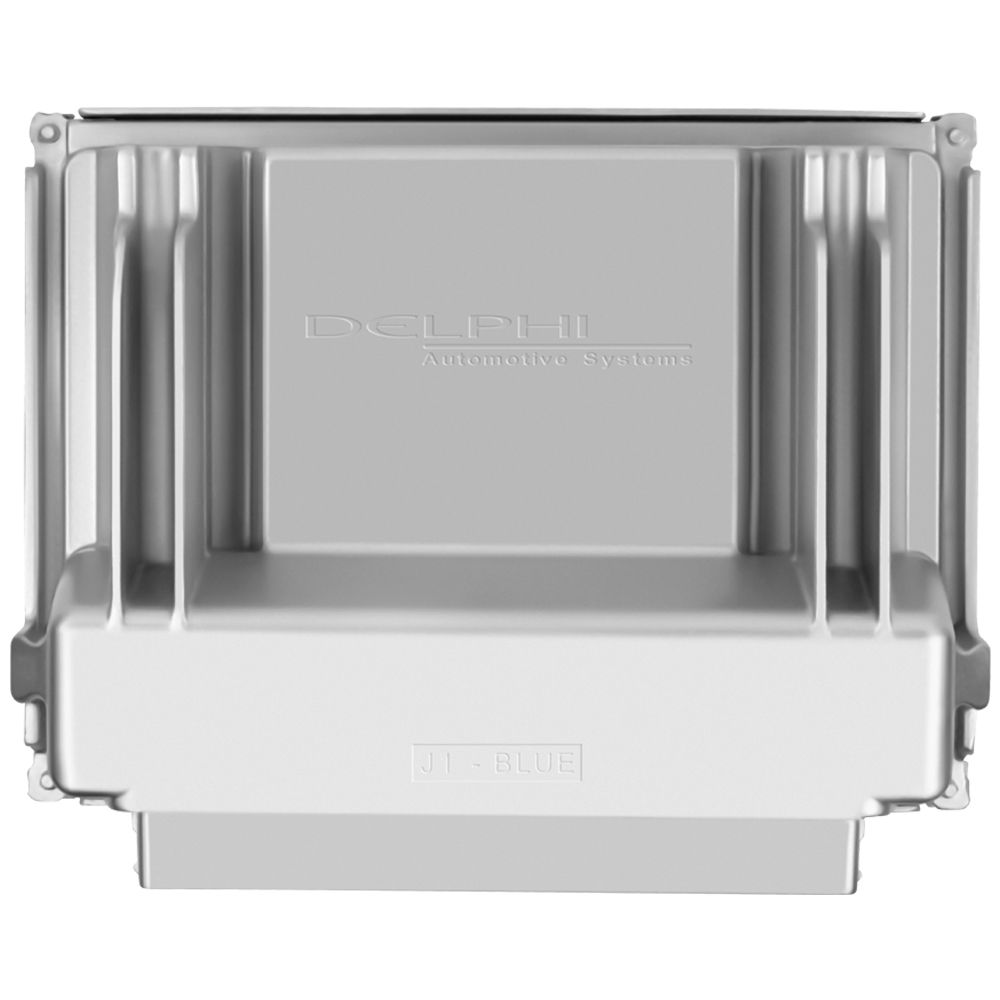
Flagship One stocks a refurbished, VIN-programmed PCM for the 2000 Chevrolet Corvette with a lifetime warranty, free shipping and no core charge. The full Chevrolet Corvette module lineup covers other engine configurations as well.
The Powertrain Control Module in your 2000 Chevrolet Corvette plays a critical role in ensuring smooth operation, from fuel delivery to transmission shifts. When it fails, the symptoms can range from subtle drivability issues to a complete no-start condition. Understanding the replacement process, from labor times to programming requirements, helps you make informed decisions and avoid common pitfalls. Whether you opt for a DIY approach or professional installation, addressing PCM issues promptly can restore your Corvette’s performance and reliability for years to come.