
Last updated on August 25th, 2026 at 02:29 pm
The Powertrain Control Module (PCM) in the 1999 Chevrolet Corvette manages engine and transmission functions. Failures may cause drivability issues, poor performance, or diagnostic trouble codes related to internal memory or communication errors.
If your 1999 Chevrolet Corvette is experiencing unexplained stalling, rough idling, or a no-start condition, the Powertrain Control Module (PCM) may be at fault. This critical component oversees engine and transmission performance, and its failure can lead to a range of drivability issues. Understanding how the PCM functions, where it’s located, and what replacement involves helps you make informed decisions about repairs. You’ll also learn how to recognize symptoms early and take steps to protect the module from damage.
The PCM in your 1999 Chevrolet Corvette acts as the brain of the engine and transmission systems. It processes data from sensors to optimize fuel delivery, ignition timing, and shift points, ensuring smooth operation and emissions compliance. A malfunctioning PCM may cause poor acceleration, erratic shifting, or even prevent the engine from starting. Because it integrates multiple control functions, replacing it requires precision—whether you opt for a new unit or replacement engine computers for the Corvette to restore reliable performance.
The PCM in the 1999 Chevrolet Corvette is mounted in the engine bay, typically secured to the passenger-side inner fender. Replacing it involves disconnecting the battery, removing the module’s electrical connectors, and unbolting the unit from its mount. Labor estimates for removal and reinstallation are 0.8 hours, with an additional 0.5 hours allocated for the relearn procedure. Always ensure the ignition is off before handling the module to prevent damage to its sensitive electronics.
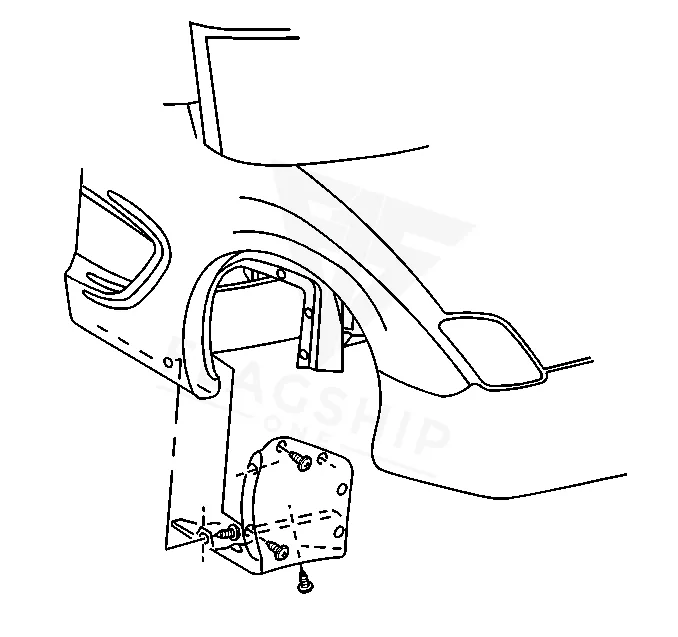
Work with the ignition off, and treat the module as static-sensitive: avoid touching the connector pins at any point.
| Operation | Configuration | Book Time |
|---|---|---|
| Engine Control Module R&R | All configurations | 0.8 hr |
| Engine Control Module Relearn | All configurations | 0.5 hr |
| Powertrain Control Module R&R | All configurations | 0.8 hr |
| Powertrain Control Module Relearn | All configurations | 0.5 hr |
1999 Chevrolet Corvette
OEM programmed ECM for your 1999 Chevrolet Corvette — plug & play, no dealer visit.
Free shipping · Lifetime warranty
After installing a new PCM in your 1999 Corvette, the factory requires a relearn procedure to synchronize the module with the vehicle’s systems. This step, which takes about 0.5 hours, ensures proper communication between the PCM and sensors. However, a VIN-programmed replacement unit from Flagship One arrives pre-configured, eliminating the need for this additional step and allowing for immediate use after installation.
A failing PCM in the 1999 Chevrolet Corvette may cause a variety of symptoms, including intermittent stalling, rough idling, or a complete no-start condition. You might also notice erratic transmission shifts or warning lights on the dashboard. Diagnostic trouble codes like internal control module memory checksum error often appear, indicating a fault within the module itself. If your scan tool fails to communicate with the PCM, that’s another sign the unit may need replacement.
The 1999 Chevrolet Corvette’s PCM can generate several internal trouble codes when it malfunctions. These codes typically point to memory errors, communication faults, or voltage irregularities within the module itself.
| Code | Meaning | Full Guide |
|---|---|---|
| P0601 | Internal memory checksum error | Full P0601 guide → |
| P0602 | Control module programming error | Full P0602 guide → |
| P0604 | Internal RAM error | Full P0604 guide → |
| P0606 | Module processor failure | Full P0606 guide → |
| P0608 | Module-internal fault | Full P0608 guide → |
| P0645 | Module-internal fault | Full P0645 guide → |
| P0650 | Module-internal fault | Full P0650 guide → |
| P0654 | Module-internal fault | Full P0654 guide → |
| P1626 | Module-internal fault | — |
| P1630 | Module-internal fault | — |
| P1631 | Module-internal fault | — |
| P1635 | Module-internal fault | — |
Factory service bulletins for the 1999 Chevrolet Corvette address PCM reprogramming procedures. Bulletin #99-06-04-053 (October 1999) provides early guidance on updating the module’s software. A later bulletin, #02-06-04-022A (October 2003), expands on reprogramming and data line diagnostics using specialized tools. These bulletins highlight the importance of keeping the PCM updated to avoid drivability issues.
| Bulletin | Subject | What It Addresses |
|---|---|---|
| 99-06-04-053 | Info – PCM Reprogramming – (Oct 26, 1999) | — |
| 02-06-04-022 | Info – PCM Reprogramming and Data Line Diagnosis Using J 42236-A – (Oct 13, 2003) | — |
Replacing the PCM is straightforward if you’re comfortable working with electrical components. The module is accessible in the engine bay, but you’ll need to follow factory cautions to avoid damage. A relearn procedure is typically required unless you use a pre-programmed unit.
Intermittent stalling can stem from several issues, including a failing PCM. The module controls fuel and ignition timing, so if it malfunctions, the engine may cut out unexpectedly. Diagnostic trouble codes can help pinpoint whether the PCM is at fault.
In this vehicle, the terms PCM (Powertrain Control Module) and ECM (Engine Control Module) refer to the same unit. The PCM integrates both engine and transmission control functions, whereas some vehicles separate these into distinct modules.
If your 1999 Chevrolet Corvette is showing signs of PCM failure, you have options. A dealership may offer a new unit, but refurbished replacements are often more cost-effective. Flagship One provides VIN-programmed modules that eliminate the need for post-installation programming, saving you time and hassle during the repair process.
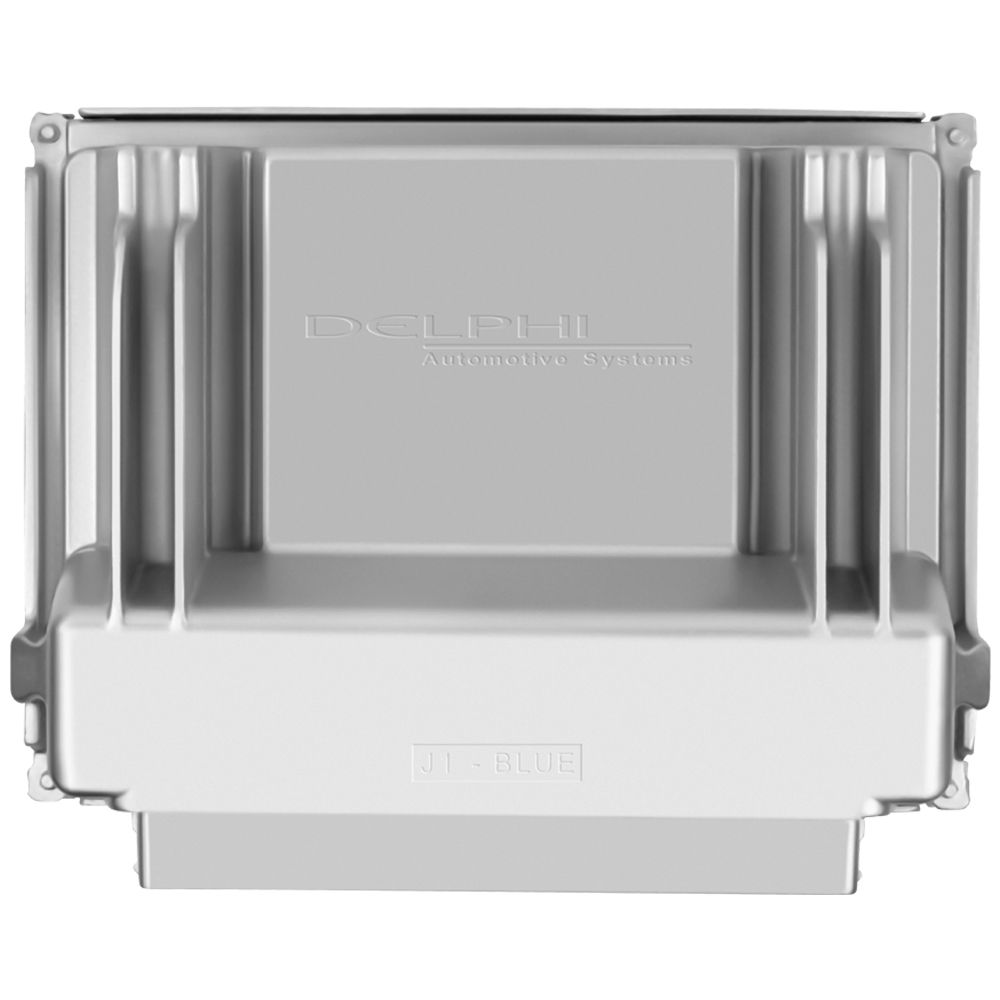
Flagship One stocks a refurbished, VIN-programmed PCM for the 1999 Chevrolet Corvette with a lifetime warranty, free shipping and no core charge. The full Chevrolet Corvette module lineup covers other engine configurations as well.
The PCM in your 1999 Chevrolet Corvette plays a vital role in engine and transmission performance. Recognizing symptoms early and understanding the replacement process can help you address issues before they escalate. Whether you choose a new or refurbished unit, ensuring proper installation and programming will keep your Corvette running smoothly.