
Last updated on August 25th, 2026 at 02:18 pm
The Powertrain Control Module (PCM) in the 1998 Chevrolet Astro is the central computer that manages engine and transmission functions. It processes sensor data to control fuel delivery, ignition timing, and emissions systems. When the PCM fails, the van may not start, run poorly, or trigger internal fault codes.
When a 1998 Chevrolet Astro suddenly refuses to start or begins stalling without warning, the powertrain control module (PCM) is often the prime suspect. This van relies on its PCM to orchestrate everything from fuel injection to transmission shifting, and even a minor internal fault can bring the vehicle to a halt. Understanding what the PCM does, how to recognize its failure, and what a proper replacement entails can save you from misdiagnosis and unnecessary parts swapping. This article explains the role of the PCM in the 1998 Astro, outlines the symptoms of a failing unit, and details the replacement process. You will also learn how a pre-programmed module can streamline the repair, getting your van back on the road without a trip to the dealership.
The powertrain control module in the 1998 Chevrolet Astro is a ruggedized computer that continuously monitors and adjusts engine and transmission performance. It receives input from sensors such as the crankshaft position sensor, throttle position sensor, and oxygen sensors, then calculates the optimal fuel mixture, ignition timing, and shift points. Because the Astro’s 4.3L V6 and its 4L60-E transmission are managed by a single PCM, a malfunction can affect both drivability and gear changes. Internal failures often stem from heat cycles, vibration, or voltage spikes, and they can corrupt the module’s memory or damage its circuitry. When that happens, the PCM may stop communicating with a scan tool or set hard fault codes that cannot be cleared. For owners seeking a reliable fix, replacement engine computers for the 1998 Chevrolet Astro are available with the correct factory programming already installed, eliminating the need for dealer-level tools.
1998 Chevrolet Astro
OEM programmed ECM for your 1998 Chevrolet Astro — plug & play, no dealer visit.
Free shipping · Lifetime warranty
The PCM in the 1998 Chevrolet Astro is mounted in the engine compartment. Replacement involves disconnecting the battery, unplugging the electrical connectors, and removing the module from its bracket. The book labor time for this procedure is 1.0 hour. A factory service caution advises against touching the connector pins or soldered components on the circuit board to prevent electrostatic discharge damage. After installing a new module, a separate 0.3-hour reset procedure is typically required to clear adaptive memory and synchronize the PCM with the vehicle’s systems. No special torque specifications are provided for the mounting hardware, but fasteners should be snugged securely to prevent vibration-related issues.
| Operation | Configuration | Book Time |
|---|---|---|
| Powertrain Control Module R&R | All configurations | 1.0 hr |
| Engine Control Module R&R | All configurations | 1.0 hr |
| Engine Control Module Reset | All configurations | 0.3 hr |
A replacement PCM for the 1998 Astro must be programmed with the vehicle’s VIN, security information, and the latest calibration data before the engine will start and run correctly. The factory procedure often requires a pass-through programmer and a subscription to the manufacturer’s software service. Additionally, a 0.3-hour ECM reset is needed to clear learned values and complete the installation. When you order a VIN-programmed replacement unit, all of these steps are performed before the module ships. The PCM arrives ready to install, so the 0.3-hour reset is no longer necessary, and you avoid the cost and complexity of a dealership visit.
A failing PCM in the 1998 Chevrolet Astro can produce a range of drivability problems that are often mistaken for sensor or wiring faults. The engine may crank but not start, or it may start and then stall unexpectedly. Intermittent misfires, rough idling, and poor fuel economy are common, as the module loses its ability to manage fuel and spark timing accurately. Transmission shifting can become erratic or harsh because the PCM controls shift solenoids and torque converter lockup. In some cases, the check engine light illuminates with no communication to a scan tool, or the vehicle may fail an emissions test due to unset readiness monitors. One specific internal fault is internal control module memory checksum error, which indicates a corrupted PCM and typically requires module replacement.
Several diagnostic trouble codes point directly to an internal fault within the PCM on the 1998 Chevrolet Astro. These codes are set when the module’s self-checks detect a memory error, processor fault, or communication failure. The following codes are documented for this vehicle:
| Code | Meaning | Full Guide |
|---|---|---|
| P0601 | Internal memory checksum error | Full P0601 guide → |
| P0602 | Control module programming error | Full P0602 guide → |
| P0603 | Keep-alive memory (KAM) error | Full P0603 guide → |
| P0604 | Internal RAM error | Full P0604 guide → |
| P0605 | Internal ROM error | Full P0605 guide → |
| P1621 | Control module long-term memory performance | Full P1621 guide → |
| P1626 | Module-internal fault | — |
| P1631 | Module-internal fault | — |
Service Bulletin #99-06-04-053, released in October 1999, provides information on PCM reprogramming for the 1998 Chevrolet Astro. This bulletin outlines the correct procedure for updating the module’s calibration to address specific drivability concerns. No further details are available in the provided documentation.
| Bulletin | Subject | What It Addresses |
|---|---|---|
| 99-06-04-053 | Info – PCM Reprogramming – (Oct 26, 1999) | — |
Typical symptoms include a no-start condition, stalling, rough running, and transmission shifting problems. You may also see a check engine light with no communication to a scan tool, or internal fault codes like P0601 that cannot be cleared.
A used PCM from a similar vehicle will still need to be programmed with your Astro’s VIN and security data. Even if it plugs in, the engine may not start or may run poorly until the correct calibration is loaded.
The book labor time for removing and replacing the PCM is 1.0 hour. If the module is not pre-programmed, an additional 0.3-hour reset procedure is required after installation.
A refurbished unit is typically tested and repaired as needed, while a remanufactured PCM is completely disassembled, inspected, and rebuilt to meet original specifications. Both should be programmed with your vehicle’s VIN and latest calibration.
Yes, a pre-programmed PCM is loaded with your VIN and the correct factory calibration. After installation, the engine should start and run normally without any additional programming or reset procedures.
When your 1998 Astro’s PCM fails, you have two paths: attempt a repair of the original module or install a replacement. Repair can be unpredictable and may not address all internal faults. A refurbished or remanufactured replacement that arrives pre-programmed with your VIN offers a straightforward, plug-and-play solution. This approach eliminates the need for specialized programming tools and gets your van back in service quickly.
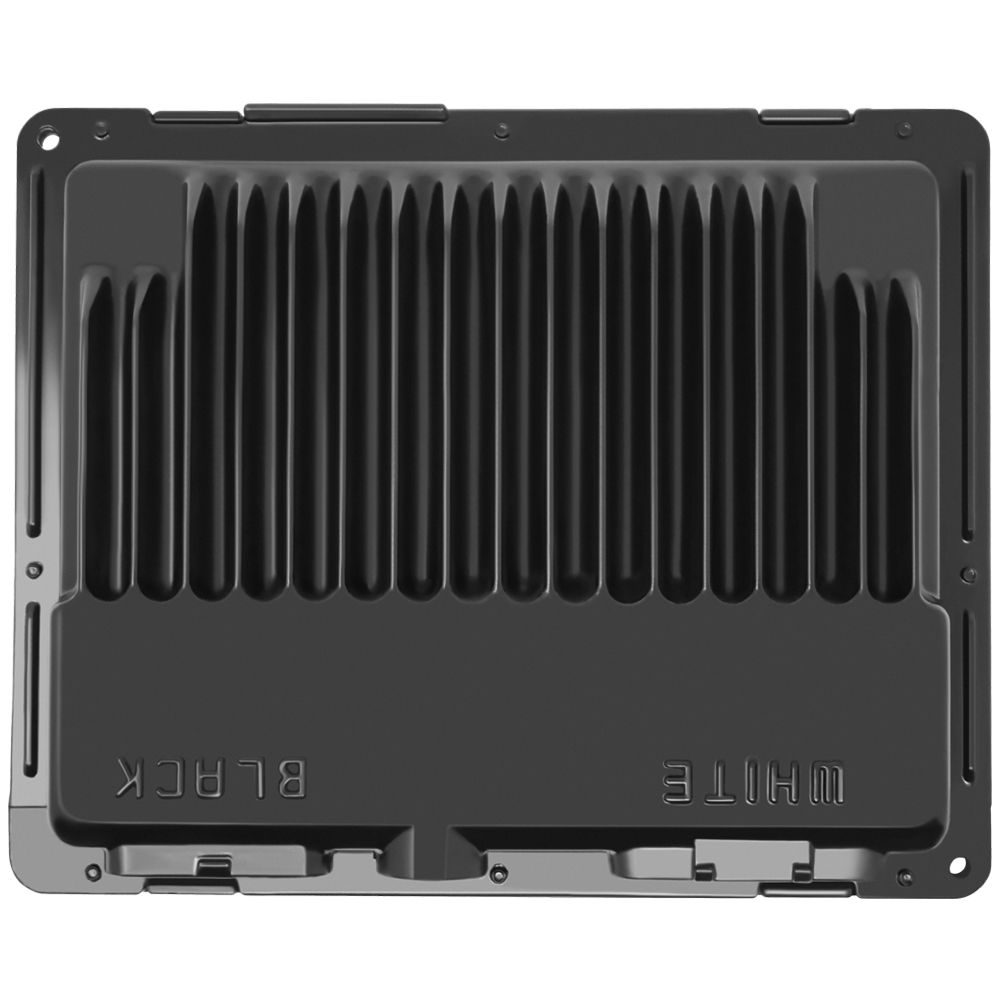
Flagship One stocks a refurbished, VIN-programmed PCM for the 1998 Chevrolet Astro with a lifetime warranty, free shipping and no core charge. The full Chevrolet Astro module lineup covers other engine configurations as well.
A faulty PCM can bring your 1998 Chevrolet Astro to a standstill, but recognizing the symptoms and understanding the replacement process puts you in control. With a pre-programmed module, the repair becomes a simple swap that restores reliable performance. Whether you tackle the job yourself or have a shop handle it, a properly programmed PCM is the key to getting your Astro back on the road.