
Last updated on August 25th, 2026 at 02:29 pm
The powertrain control module (PCM) in your 1999 Chevrolet Astro manages engine and transmission functions. Failures may cause erratic performance, no-start conditions, or stored trouble codes related to internal memory errors.
If your 1999 Chevrolet Astro is experiencing unexplained stalling, rough idling, or a no-start condition, the powertrain control module (PCM) may be at fault. This component acts as the brain of your vehicle’s engine and transmission, regulating fuel delivery, ignition timing, and shift patterns. When it fails, symptoms can range from subtle performance issues to complete drivability loss. Understanding the role of the PCM, its location, and the steps involved in replacement can help you make informed decisions about repairs. Factory labor times and precautions are straightforward, but proper handling is critical to avoid further damage.
In your 1999 Chevrolet Astro, the PCM is responsible for interpreting signals from sensors throughout the engine and transmission, then adjusting fuel injection, ignition timing, and shift points for optimal performance. This module ensures your vehicle runs efficiently while meeting emissions standards. A faulty PCM may disrupt these functions, leading to poor fuel economy, erratic shifting, or even a failure to start. If replacement becomes necessary, you’ll need replacement engine computers for the Astro that are compatible with your vehicle’s specifications. Without a properly functioning PCM, your Astro may struggle to operate reliably.
1999 Chevrolet Astro
OEM programmed ECM for your 1999 Chevrolet Astro — plug & play, no dealer visit.
Free shipping · Lifetime warranty
The PCM in your 1999 Chevrolet Astro is typically mounted inside the passenger compartment, often behind the dashboard or under the glove box. Accessing it requires removing interior panels, which adds minimal complexity to the job. Factory labor estimates allocate 1.0 hours for removal and replacement of the module. After installation, the PCM may require a reset procedure, which takes an additional 0.3 hours according to factory guidelines. No special tools are specified, but care must be taken to avoid damaging the module’s connectors or circuit board during handling.
| Operation | Configuration | Book Time |
|---|---|---|
| Powertrain Control Module R&R | All configurations | 1.0 hr |
| Engine Control Module R&R | All configurations | 1.0 hr |
| Engine Control Module Reset | All configurations | 0.3 hr |
After replacing the PCM in your 1999 Chevrolet Astro, the factory procedure requires reprogramming the module to match your vehicle’s VIN and calibration settings. This step ensures proper communication with the engine and transmission systems. However, a VIN-programmed replacement unit from Flagship One arrives pre-configured, eliminating the need for additional programming. This saves time and reduces the risk of errors during the installation process. Always verify that the replacement module is compatible with your Astro’s engine and transmission configuration before installation.
A failing PCM in your 1999 Chevrolet Astro may cause a variety of symptoms, including intermittent stalling, rough idling, or a no-start condition. You might also notice poor acceleration, erratic shifting, or the check engine light illuminating with codes like internal control module memory checksum error. In some cases, the vehicle may fail to communicate with a scan tool, making diagnosis more challenging. These issues often worsen over time, so addressing them promptly can prevent further drivability problems. If you experience multiple symptoms, the PCM is a likely culprit.
The 1999 Chevrolet Astro’s PCM may store specific trouble codes when internal faults occur. These codes help diagnose issues related to memory errors, calibration mismatches, or communication failures within the module itself.
| Code | Meaning | Full Guide |
|---|---|---|
| P0601 | Internal memory checksum error | Full P0601 guide → |
| P0602 | Control module programming error | Full P0602 guide → |
| P0603 | Keep-alive memory (KAM) error | Full P0603 guide → |
| P0604 | Internal RAM error | Full P0604 guide → |
| P0605 | Internal ROM error | Full P0605 guide → |
| P1621 | Control module long-term memory performance | Full P1621 guide → |
| P1626 | Module-internal fault | — |
| P1631 | Module-internal fault | — |
Factory service bulletin #99-06-04-053, issued in October 1999, provides information on PCM reprogramming for the 1999 Chevrolet Astro. This bulletin outlines procedures for updating the module’s software to address potential drivability or emissions-related concerns. If your vehicle exhibits symptoms that align with the bulletin’s scope, reprogramming may be recommended as part of the diagnostic process.
| Bulletin | Subject | What It Addresses |
|---|---|---|
| 99-06-04-053 | Info – PCM Reprogramming – (Oct 26, 1999) | — |
Common signs include stalling, rough idling, or a no-start condition. The check engine light may illuminate with codes like P0601 or P1626. If the vehicle fails to communicate with a scan tool, the PCM could be at fault. A professional diagnosis is recommended to confirm the issue.
Replacement is possible if you’re comfortable with basic automotive repairs and have the right tools. However, the PCM is sensitive to electrostatic discharge, so proper handling is critical. Factory labor estimates 1.0 hours for the job, plus an additional 0.3 hours for a reset procedure.
Yes, the factory requires reprogramming the PCM to match your vehicle’s VIN and calibration settings. This step ensures proper operation. However, a pre-programmed replacement unit eliminates the need for this procedure, simplifying the installation process.
If your 1999 Chevrolet Astro is showing signs of PCM failure, you have options for repair or replacement. A refurbished module can restore functionality at a lower cost than a new unit, while ensuring compatibility with your vehicle’s systems. Given the labor involved, choosing a reliable replacement can save time and reduce the risk of repeat issues.
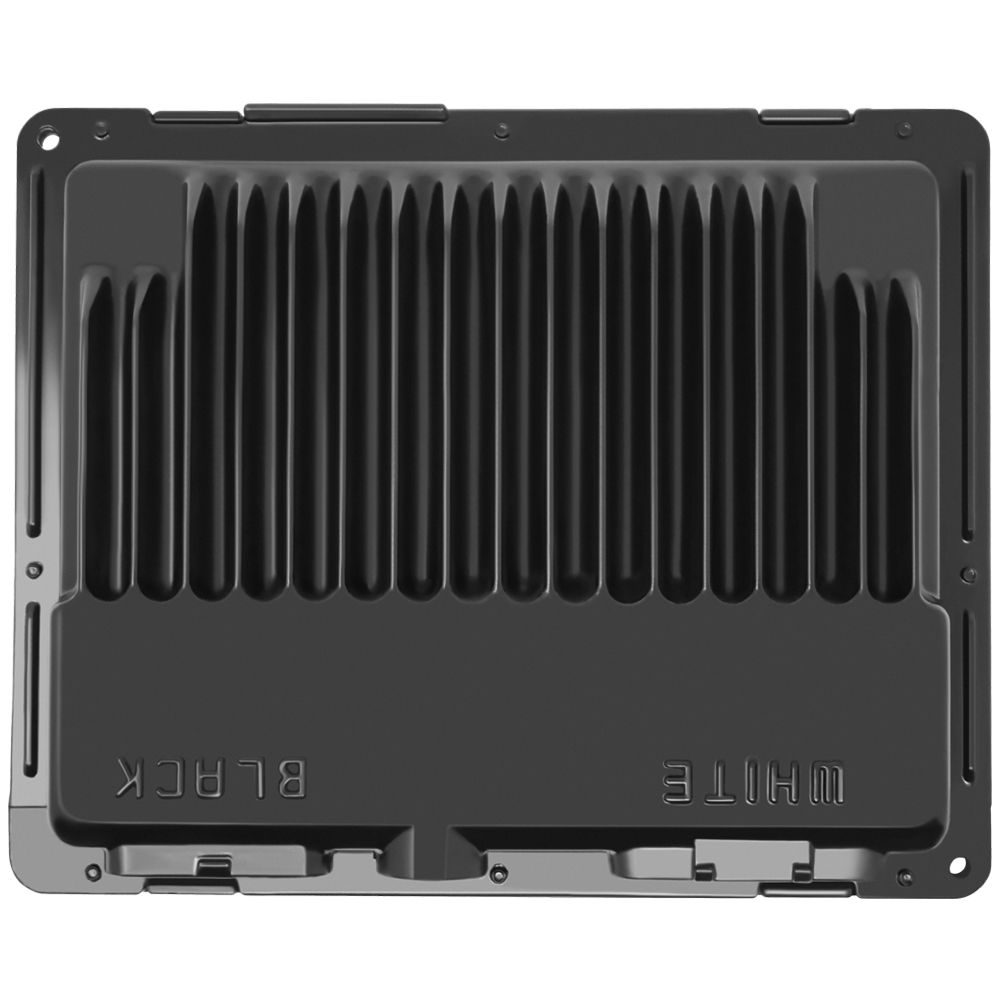
Flagship One stocks a refurbished, VIN-programmed PCM for the 1999 Chevrolet Astro with a lifetime warranty, free shipping and no core charge. The full Chevrolet Astro module lineup covers other engine configurations as well.
The PCM in your 1999 Chevrolet Astro plays a critical role in engine and transmission performance. If you’re experiencing symptoms like stalling, misfires, or communication errors, addressing the issue promptly can prevent further drivability problems. Whether you opt for repair or replacement, understanding the process ensures a smoother resolution.