
Last updated on August 25th, 2026 at 02:30 pm
The powertrain control module in your 1997 Chevrolet Astro serves as the central computer for the 4.3L engine. It governs fuel delivery, spark timing, emissions controls, and transmission operation. When this unit fails, your vehicle may experience drivability problems or fail to start entirely, often triggering diagnostic trouble codes that point toward the module itself.
When the powertrain control module on your 1997 Chevrolet Astro starts to fail, the results can range from annoying driveability quirks to a vehicle that simply refuses to start. This integrated computer handles so many engine functions that a single internal fault can cascade into multiple symptoms across different systems. Understanding what this module does, where it lives in your van, and what repair actually involves can save you from unnecessary diagnostics and help you make informed decisions about replacement versus repair. The information here applies specifically to the 1997 model year equipped with the 4.3L V6 engine, which uses a unified powertrain control architecture. You will learn what this computer does in your specific application, how replacement works according to standard labor estimates, what the factory programming procedure requires, and how suppliers like Flagship One simplify the repair by shipping units pre-programmed with your vehicle identification number. Whether you are diagnosing a rough-running engine or confirming a repair quote, this guide gives you the factual foundation you need.
The powertrain control module in your 1997 Chevrolet Astro functions as the electronic brain for the entire drivetrain. Unlike older vehicles that used separate computers for engine and transmission control, this system integrates both functions into a single unit. The module receives data from numerous sensors throughout the engine bay, including the mass airflow sensor, coolant temperature sensor, oxygen sensors, and throttle position sensor. It processes this information thousands of times per second to calculate the precise fuel injector pulse width, optimal spark advance, and transmission shift points for your 4.3L V6 engine under current driving conditions.
This control extends beyond simple performance tuning. The module also governs emissions-related components such as the evaporative emission control system, exhaust gas recirculation valve, and catalytic converter efficiency monitors. When the system detects a malfunction, it stores a diagnostic trouble code and may illuminate the check engine light to alert the driver. The module also performs self-diagnostics on its own internal circuits, which means certain fault codes can indicate problems within the computer itself rather than in external sensors or wiring.
For owners of the Astro, this centralized control means that module failure can affect multiple vehicle systems simultaneously. You might experience poor acceleration, automatic transmission shifting problems, decreased fuel economy, or an engine that stalls at idle. In severe cases, the engine may not start at all if the module fails to activate the fuel pump or provide spark to the ignition system. The integrated nature of this computer also means that even minor internal faults can produce a wide range of symptoms that might initially seem unrelated. Understanding the scope of what this module controls helps explain why replacement is often the most practical solution when internal failures occur, particularly when searching for replacement engine computers for the Astro to restore proper vehicle operation.
1997 Chevrolet Astro
OEM programmed ECM for your 1997 Chevrolet Astro — plug & play, no dealer visit.
Free shipping · Lifetime warranty
Locating the powertrain control module on the 1997 Chevrolet Astro requires access through the engine compartment. On this model, the module is typically mounted on the firewall in the engine bay, though some configurations may position it on the passenger-side fender wall. The unit is housed in a protective plastic case with a multi-pin electrical connector that plugs into the vehicle wiring harness.
Replacing the module involves disconnecting the negative battery terminal first to prevent electrical damage. The existing unit must be unbolted from its mounting location, which may require basic hand tools. After disconnecting the electrical harness, the replacement module can be installed in reverse order of removal. According to standard labor estimates, the removal and installation procedure for the powertrain control module on this vehicle carries a time allowance of 1.0 hours, while the separate reset procedure requires an additional 0.3 hours. These estimates cover the physical replacement process assuming standard conditions and accessible mounting locations. Actual repair time may vary depending on specific vehicle configuration and any corrosion or damage to the mounting hardware or electrical connections that may be encountered during the job.
| Operation | Configuration | Book Time |
|---|---|---|
| Powertrain Control Module R&R | All configurations | 1.0 hr |
| Engine Control Module R&R | All configurations | 1.0 hr |
| Engine Control Module Reset | All configurations | 0.3 hr |
After installing a replacement powertrain control module in your 1997 Chevrolet Astro, the factory service procedure requires a programming reset before the vehicle will operate normally. General Motors specifies that replacement modules must be initialized with vehicle-specific calibration data. This process typically involves connecting diagnostic equipment to establish communication between the new module and the various control systems throughout the vehicle.
The reset procedure allows the module to learn sensor characteristics and adapt its operating parameters to your specific engine. Without completing this step, you may continue to experience driveability issues even with a brand-new computer installed. This is why many repair facilities factor programming time into their quotes alongside the physical labor of removing and installing the old unit.
Ordering a VIN-programmed replacement unit from Flagship One means this programming step is already completed before the module arrives. The supplier programs each computer with the correct calibration matching your vehicle identification number, so you skip the dealer wait and the associated programming fees. You still need to perform the battery disconnect procedure and allow the module to complete its adaptation cycle during initial startup, but the reprogramming step itself is already handled.
Recognizing when the powertrain control module may be the source of your 1997 Chevrolet Astro problems requires attention to how the vehicle behaves under various conditions. One of the most telling signs is a no-start condition where the engine cranks normally but receives no fuel or spark. The module controls both fuel pump activation and ignition, so an internal fault can prevent these systems from operating at all.
Stalling and rough running represent other common failure modes. If your Astro idles roughly, dies unexpectedly at stops, or stumbles during acceleration, the module may be unable to maintain proper air-fuel ratios or spark timing. Misfire codes, particularly those indicating multiple cylinders firing incorrectly, often accompany module-related drivability problems. These codes may persist even after replacing spark plugs, wires, or other ignition components because the underlying cause lies in the computer’s processing of sensor data.
Transmission shifting issues can also stem from module failure. The integrated nature of powertrain control on this vehicle means the same computer that manages the engine also controls shift firmness and timing in the automatic transmission. Harsh shifts, failure to shift into higher gears, or unexpected downshifts may indicate module problems rather than mechanical transmission failure.
Scanner communication failures sometimes occur when the module itself is damaged. If a diagnostic tool cannot establish communication with the powertrain control system, or if communication drops intermittently during testing, the module’s internal circuitry may be compromised. These symptoms often appear and disappear as the fault progresses, making diagnosis challenging without proper equipment.
General Motors issued service bulletin 99-06-04-053 on October 26, 1999, addressing powertrain control module reprogramming procedures. This bulletin covers the factory-recommended process for updating module calibration and initializing replacement units on affected vehicles. The information emphasizes that proper programming is required to restore full functionality after module replacement. While the bulletin focuses on the reprogramming procedure itself rather than specific failure symptoms, it reflects the manufacturer’s recognition that electronic control module service requires attention beyond simple part-swapping. Owners seeking service for their 1997 Chevrolet Astro should verify whether any published updates or campaign recalls may apply to their specific vehicle identification number.
| Bulletin | Subject | What It Addresses |
|---|---|---|
| 99-06-04-053 | Info – PCM Reprogramming – (Oct 26, 1999) | — |
When diagnostic testing reveals internal module faults that cannot be cleared, or when multiple unrelated system codes appear simultaneously without corresponding sensor failures, replacement is typically the recommended solution. A qualified technician can determine whether the module itself is faulty or if an external issue is causing the symptoms.
Used modules may work, but they often carry unknown fault histories and require reprogramming to match your specific vehicle identification number. Parts from the same model year and engine configuration can sometimes be adapted, but success is not guaranteed and no warranty protection typically applies.
An unprogrammed module will not communicate properly with your vehicle’s sensors and control systems. The engine may run poorly or not start at all, and the transmission may default to a failsafe mode. This is why proper initialization is essential after every replacement.
If the module is confirmed as the root cause of the stalling and fault codes, replacement should resolve those symptoms. However, many stalling problems have multiple potential causes including fuel delivery issues, ignition failures, or vacuum leaks that must be ruled out first.
Dealer programming requires specialized equipment and access to factory software that most independent shops do not possess. Purchasing a pre-programmed replacement unit from Flagship One eliminates this step entirely, reducing repair complexity and vehicle downtime.
Repair versus replacement represents a practical decision that depends on your vehicle condition and repair budget. In most cases involving confirmed module failure on the 1997 Chevrolet Astro, replacement with a properly programmed unit provides the most reliable long-term solution. Refurbished modules may offer lower upfront cost, but they carry inherent risk of unknown prior faults. New or certified replacement modules arrive ready to install, saving you the hassle of scheduling dealer programming appointments. Evaluating your specific situation, including diagnostic findings and usage plans for the vehicle, helps determine which path makes the most sense for your circumstances.
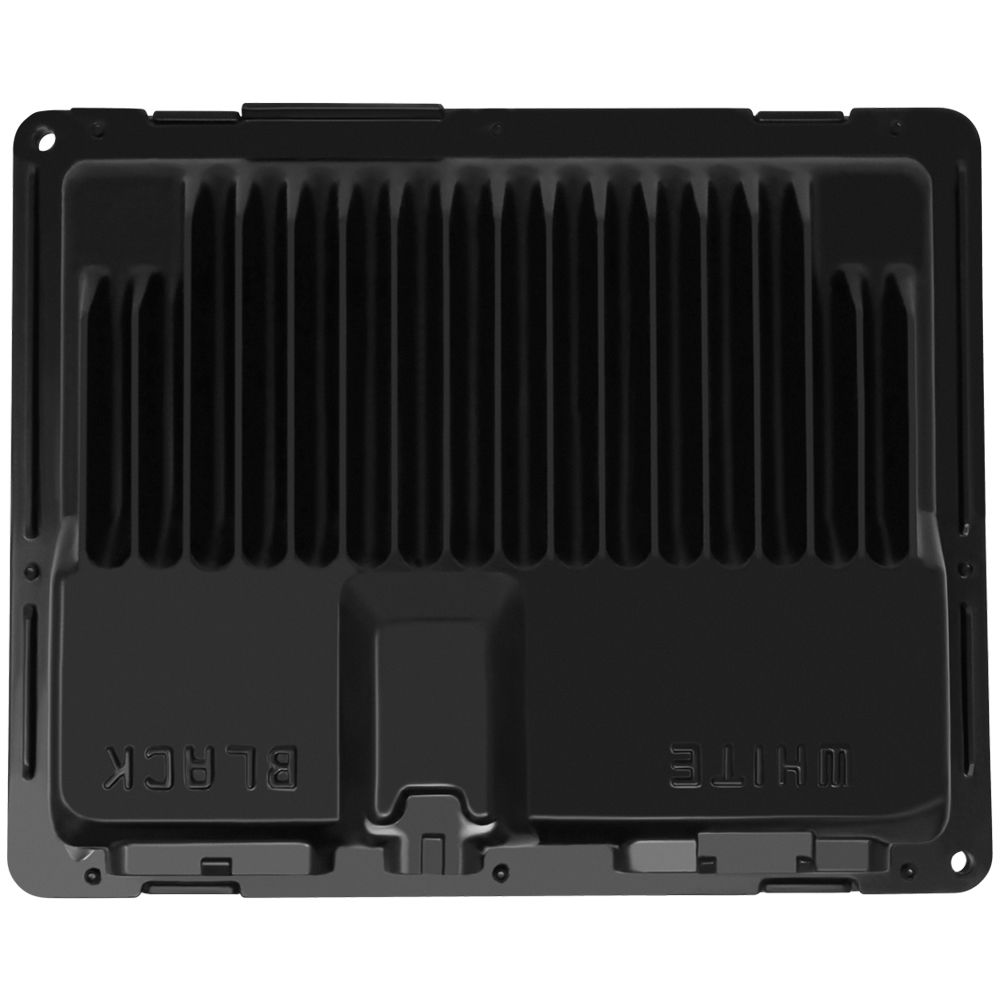
Flagship One stocks a refurbished, VIN-programmed PCM for the 1997 Chevrolet Astro with a lifetime warranty, free shipping and no core charge. The full Chevrolet Astro module lineup covers other engine configurations as well.
The powertrain control module in your 1997 Chevrolet Astro plays a critical role in engine and transmission operation, and failure can leave you stranded or dealing with persistent drivability issues. Understanding the module’s functions, replacement process, and programming requirements empowers you to make informed decisions about repair options. Whether you choose dealer service or a pre-programmed replacement from Flagship One, addressing the problem promptly restores your vehicle’s reliability and performance.