
Last updated on August 25th, 2026 at 02:28 pm
The powertrain control module in your 2001 Chevrolet Astro manages fuel delivery, ignition timing, and transmission operation for the 4.3L engine. When this module fails internally, it often triggers diagnostic trouble codes, causes hard starting or stalling, and may prevent the vehicle from running altogether. Internal memory or processor faults typically require module replacement rather than repair.
When your 2001 Chevrolet Astro begins exhibiting drivability problems that point toward the engine computer, understanding what the module does and what replacement involves can save you time and frustration. The powertrain control module, sometimes referred to as the engine control module, is the central processor that orchestrates fuel injection, spark timing, idle control, and transmission functions for the 4.3L V6. Internal failures in this computer are not uncommon as these vehicles age, and they often manifest as a collection of diagnostic trouble codes that specifically indicate processor or memory problems rather than sensor or actuator faults. Replacing the module is only part of the solution. The factory requires that any new or remanufactured unit be programmed to match your vehicle before it will function properly. This guide walks through what the module does, where it is located, what the book-time labor involves, and what programming steps the factory specifies. You will also find the documented internal trouble codes for this vehicle, practical prevention tips, and answers to common questions about replacing the engine computer in your Astro.
The powertrain control module in your 2001 Chevrolet Astro serves as the electronic brain for the 4.3L engine and its associated powertrain systems. It continuously reads input from sensors monitoring throttle position, engine coolant temperature, manifold pressure, oxygen content in the exhaust, crankshaft position, and camshaft position. Using those inputs, it calculates and commands fuel injector pulse width, ignition spark advance, idle air control positioning, and transmission shift points. The module also runs ongoing self-diagnostic checks and stores trouble codes when it detects conditions outside expected parameters. When the module itself develops an internal fault, the diagnostic codes it sets often point directly back to the computer rather than to an external sensor or actuator. This is an important distinction because replacing a sensor will not resolve a problem that originates inside the controller. Internal failures may involve corrupted memory, a damaged processor, or degraded circuitry within the module housing. Because these computers are not field-repairable at the component level, replacement with replacement engine computers for the Astro is the standard remedy when internal faults are confirmed. The module also manages communication with other vehicle systems and the diagnostic scan tool, so a failed computer may prevent code reading or bidirectional testing altogether. Understanding this role helps explain why symptoms of a bad module can be so broad and sometimes contradictory.
2001 Chevrolet Astro
OEM programmed ECM for your 2001 Chevrolet Astro — plug & play, no dealer visit.
Free shipping · Lifetime warranty
The powertrain control module in the 2001 Chevrolet Astro is accessed as a removable component, and the factory book time for removal and replacement is 1.0 hours. A separate reset procedure for the engine control module carries an additional 0.3 hours of labor time. Before beginning any work, the factory specifies that the ignition must be OFF when disconnecting or reconnecting power to the PCM. This precaution applies to any action that interrupts the electrical connection, including disconnecting a battery cable, unplugging the PCM pigtail connector, removing a PCM fuse, or connecting jumper cables. Failing to observe this step may cause internal damage to the module. The factory also directs technicians to refer to the PCM and ESD Notice in the Cautions and Notices section of the service manual before handling the module, which addresses electrostatic discharge precautions that protect the sensitive internal electronics during removal and installation.
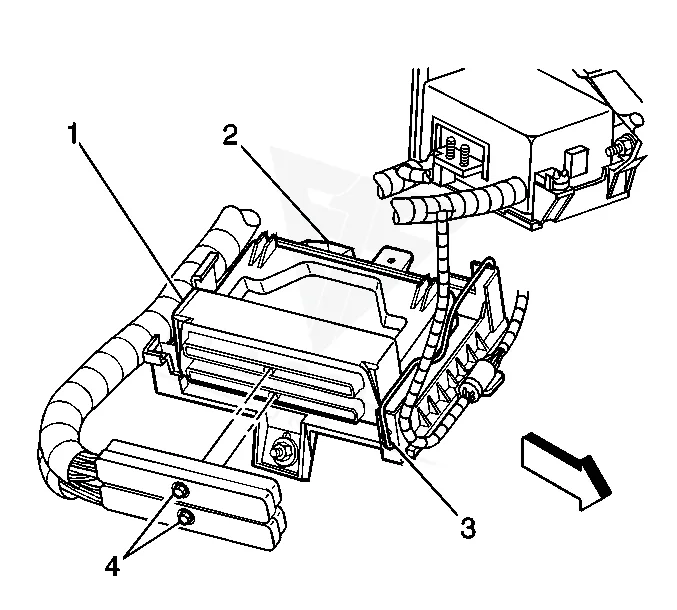
Work with the ignition off, and treat the module as static-sensitive: avoid touching the connector pins at any point.
| Operation | Configuration | Book Time |
|---|---|---|
| Powertrain Control Module R&R | All configurations | 1.0 hr |
| Engine Control Module R&R | All configurations | 1.0 hr |
| Engine Control Module Reset | All configurations | 0.3 hr |
A failing powertrain control module in your 2001 Chevrolet Astro may produce a wide range of drivability symptoms that can mimic other problems, which is why proper diagnosis matters. One of the most common signs is a no-start condition where the engine cranks but does not fire, or starts briefly and immediately stalls. You may also experience intermittent stalling while driving, rough idle, misfire codes that do not resolve with sensor or ignition component replacement, or erratic shifting if the module also controls transmission functions. Another frequent indicator is loss of communication with a diagnostic scan tool, meaning the scanner cannot establish a link to read codes or perform bidirectional tests. This symptom alone often points toward the computer rather than a peripheral component. The module may also trigger internal fault codes such as control module read memory error, which specifically indicates a problem within the module itself rather than in an external circuit. Additional symptoms can include poor fuel economy, failed emissions tests, a check engine light that returns immediately after clearing codes, and inconsistent or surging idle behavior. Because the module interacts with nearly every engine and transmission system, symptoms tend to be broad and may appear or disappear unpredictably as the internal fault progresses.
The 2001 Chevrolet Astro has multiple module-internal trouble codes documented in factory service materials. These codes specifically indicate faults within the powertrain control module itself rather than in external sensors, actuators, or wiring. When one of these codes appears, it typically signals that the module has experienced a memory, processor, or internal circuitry failure that may require replacement rather than component-level repair.
The factory book time for powertrain control module removal and replacement in the 2001 Chevrolet Astro is 1.0 hours. An additional 0.3 hours applies if an engine control module reset procedure is performed. Actual time may vary depending on access conditions and whether programming is required after installation.
Yes, the factory specifies that any replacement powertrain control module must be programmed before the vehicle will operate correctly. The procedure involves off-board programming using a Tech 2 scan tool and programming adapter. Flagship One supplies modules that are already VIN-programmed, which eliminates the need for you to perform this procedure after installation.
The factory warns that internal PCM damage may occur if the ignition is not OFF when disconnecting or reconnecting power to the module. This precaution applies to battery cables, PCM pigtail connectors, PCM fuses, and jumper cables. Always ensure the ignition is off before interrupting any power connection to the module.
The factory cautions that add-on electrical equipment should be connected directly to the battery for both power and ground to help prevent damage to the vehicle. However, even when installed according to these guidelines, aftermarket electrical accessories may still cause the powertrain system to malfunction, so careful selection and installation are important.
Multiple codes are documented for this vehicle, including P0601 through P0607, P062F, P1600, P1621, P1626, P1627, P1631, P1680, P1681, and P1683. These codes typically point to internal memory, processor, or circuitry faults within the module itself rather than problems with external sensors or wiring.
If your 2001 Chevrolet Astro is showing signs of PCM or ECM failure, you have options for addressing the problem. A repair approach may involve extensive diagnostic time at a shop, while a remanufactured replacement module offers a more direct path to resolving internal computer faults. Flagship One provides VIN-programmed units for the Astro that arrive ready to install, eliminating the factory off-board programming requirement. Choosing a pre-programmed replacement can reduce downtime and help you get your 4.3L back on the road without the additional step of scheduling a programming session.
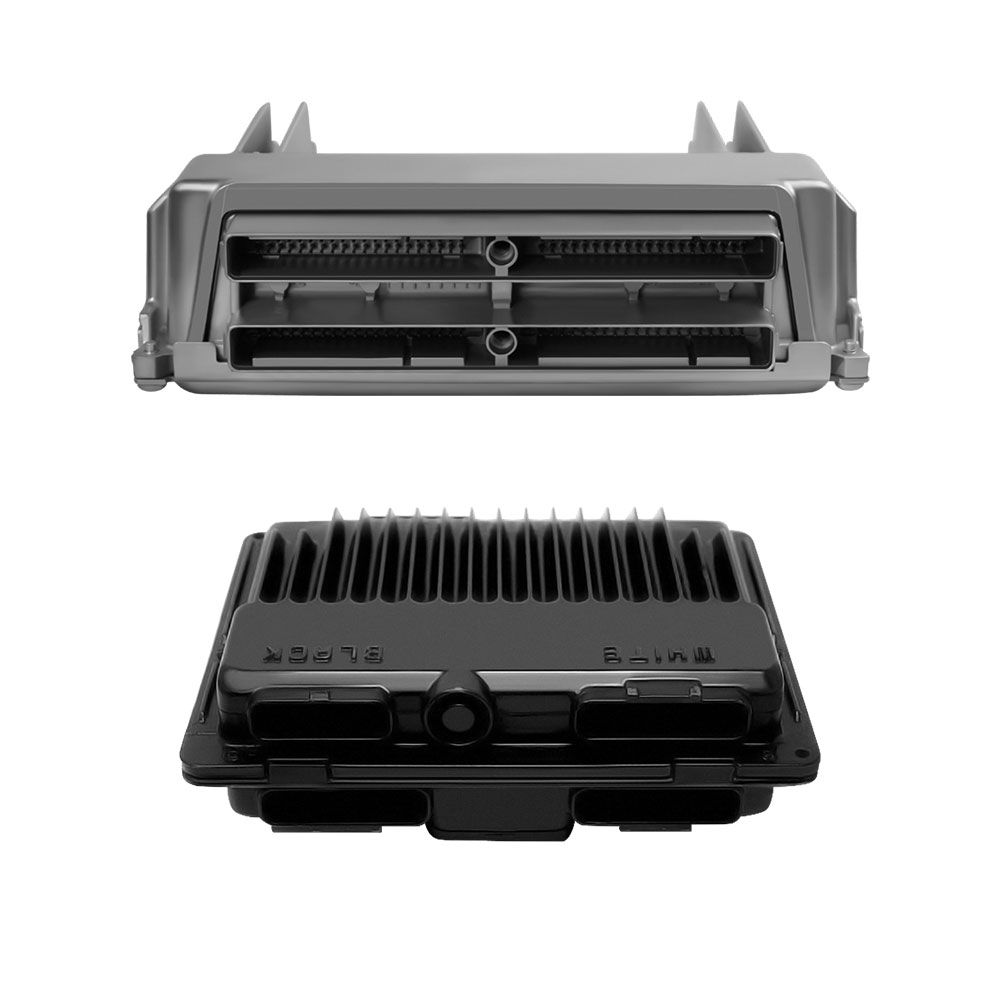
Flagship One stocks a refurbished, VIN-programmed PCM for the 2001 Chevrolet Astro with a lifetime warranty, free shipping and no core charge. The full Chevrolet Astro module lineup covers other engine configurations as well.
The powertrain control module in your 2001 Chevrolet Astro plays a central role in engine and transmission operation, and internal failures can produce a range of drivability and communication problems. By understanding the book time, the factory ignition-off precaution, and the programming requirement, you are better prepared to make informed decisions about replacement. A VIN-programmed unit from Flagship One can simplify the process for your 2001 Chevrolet Astro and help restore proper vehicle function.